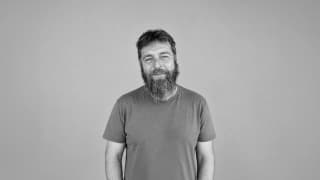
Feeling crushed by the avalanche of awful news emanating from your radio, TV or phone? You’re not alone. Research has shown that exposure to bad news has a profound effect on our mental health. But there is an alternative. Airzen Radio, set up in France in 2021, is a radio station whose output is 100% positive. Christophe Duhamel is its director of digital operations.
As part of our summer break, the impact.info team invites you to (re)discover one of our episodes.
You can also find our article on the topic right here .
Enjoy listening!
Killian Flagey
impact.info director
Published on 10 September 2026
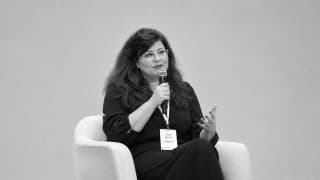
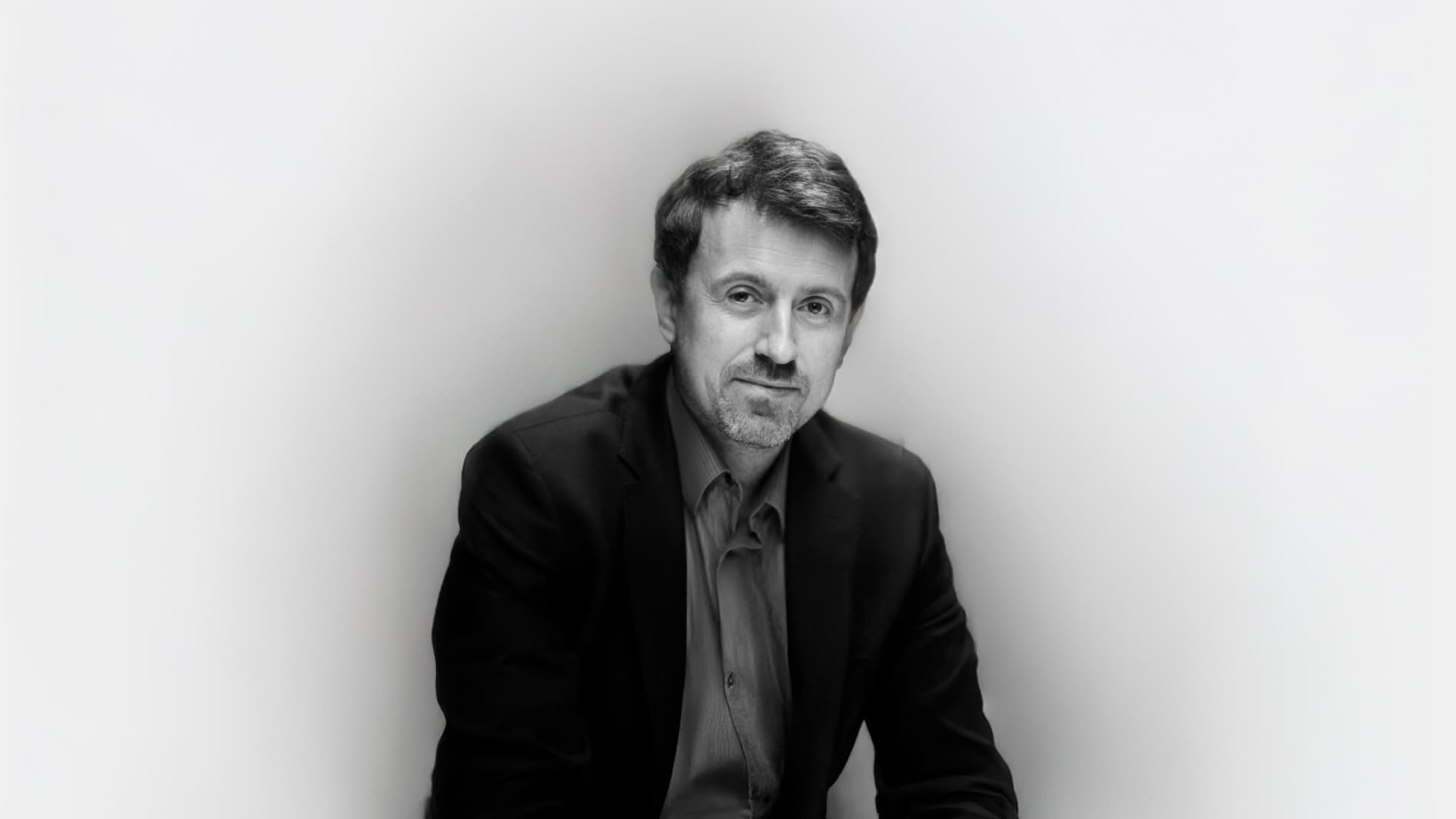
Photo credit — Head of Digital Operations at AirZen Radio
Transcript Audio in English· AI-generated transcript
0:00 Hello and welcome to the podcast that showcases entrepreneurs who are changing the world for 0:10 the better. Feeling crushed by the avalanche of awful news emanating from your radio, TV 0:16 or phone, you're not alone. Research has shown that exposure to bad news has a profound effect 0:23 on our mental health. But there is an alternative. Airzen Radio, set up in France in 2021, 0:30 is a radio station whose output is 100% positive. Christophe Duhamel is its Director of Digital 0:37 Operations. I'm Christophe Duhamel. I'm a former computer engineer, but I moved to the dark side 0:45 quite quickly because I was more interested in understanding what people have in their minds, 0:50 which is always some kind of excitement for me. It's a huge passion for me to understand what 0:55 people think and what people want. So presumably this passion is what led you to be one of the 1:01 founders of Airzen Radio. Please could you tell me what it does, what its mission is? 1:06 Actually, I was not one of the founders. I just arrived after they founded the company, but I 1:11 arrived as an expert in all digital things. The three founders were people with a huge experience 1:19 in radio and in marketing. So they decided to create a project which was pretty much original, 1:26 which was the first positive radio, which means when you listen to the radio today, what you got 1:32 is you got lots of quite dark things, dark information, and you feel drained by all these 1:40 negativities. So they wanted to do something more positive and they wanted to bring some kind of 1:47 fresh air to people. That's what they tried to do by creating Airzen Radio. 1:53 So essentially it filled a gap that nobody else was really filling. 1:57 Exactly. 1:59 So can you explain about its social impact? Because generally we're talking here about 2:05 companies and organizations that are improving the society in some way. 2:09 The point is that there have been quite a lot of studies right now about the impact of what we hear 2:15 on the radio, what we watch on the TV. Now many studies do tell us that when you listen to 2:21 something negative, it's not very good for your health. It's pretty bad for your health and you 2:26 get some anxiety. It can improve some depression or some mental health conditions. 2:35 So what we're trying to do with Airzen Radio is trying to improve the mental health of people who 2:43 listen to us. Which means when you're tired of listening to negative things, you're going to 2:48 listen to Airzen Radio and then you get that breath of fresh air and you get something which 2:54 makes you a little bit happier, a little bit better than before. And that's this kind of 3:01 mental health bubble, positive bubble, that we want to create for people. And a very positive 3:06 point is the feedback we got from many, many listeners who tell us that we have somehow 3:12 changed their lives by allowing them to get this parenthesis, this bubble of fresh air in their days. 3:18 And that's why when people start listening to us, they usually keep on listening for a long time 3:24 because they keep coming back because they like it. 3:27 How many listeners do you have and how do they access Airzen? 3:32 That's a pretty complicated question because the radio was created when the DAB Plus was created 3:38 in France, which means we got the last touch of digital broadcasting. So we got people listening 3:43 to us through DAB Plus. We got people listening to us through web radio, through Spotify, through 3:51 Radioing, which is in the cars. So we got lots and lots of different sources for listening to us, 3:57 even people with Alexa or Google Home, you know. So we got hundreds of thousands of listeners, but 4:03 today it's impossible to tell precisely how many different people listen to us. But 4:08 we got several hundreds of thousands, which is not too bad. 4:11 You've told me that the content is positive. Can you go into any more detail about the type 4:16 of content or the type of subjects that you favour? 4:19 We're still doing some research on trying new stuff because, you know, the perception of something 4:24 being positive is quite different according to the people who listen. But what we try to do is 4:30 always try to see the glass half full, which means we can talk about things which could be 4:37 negative, but we try to always see them from the positive angle. If we're talking about a problem, 4:43 we are bringing the solution. We always try to think positively, but we also talk about 4:48 nice stories. For example, somebody who ran for three months for a cause or somebody who 4:55 discovered a treasure in their garden. We try to find positivity either in big stories of normal 5:03 people or in small stories from everyday. For example, a small shop who's offering some things 5:10 to people who don't have the money. We're trying to find examples of things that work well. Positive 5:17 stories to show people that, of course, there are bad things happening, but there are many more 5:23 positive things that happen and they can happen nearby your place or everywhere in the country, 5:29 everywhere in the world. So we're trying to find those so that we give people hope and give them a 5:36 better, more positive vision of the world they live in. 5:39 It's not very easy at the moment with what's going on internationally, 5:44 with all the wars and conflicts that we seem to have popping up. 5:47 How do you show them anything positive around that? 5:51 It's always a big debate. Do we talk about all those big problems happening everywhere in the world? 5:57 Or do we keep talking about small things, closer things, things that work? We're trying to find the 6:04 right balance between all that because we cannot avoid talking about what's happening in the world. 6:08 It's not possible because otherwise we will be completely disconnected from the world and it's 6:12 not... I'm not sure that's what people want, but people want to have hope, hope for them, hope for 6:18 their children and they want to have at least a positive vision. Of course there are wars, there 6:24 are a shortage of food in some places, there are weather problems, but there are possible potential 6:31 solutions and there are people implementing those solutions already in some places. So that's what 6:37 we're trying to put forward in order to not to have depressed and desperate people. 6:43 Tell me, how are you funded? Where does your funding come from? 6:48 The funding comes mainly from the founders, which means it was a personal investment from them. 6:53 They created and sold quite a lot of companies, media companies, and most of the funding comes 6:59 from simply from themselves. For them it was important to put their money in a very meaningful 7:04 project. That's why they created this project and that's why they're very, very invested every day, 7:11 even at weekends in that project. We often have discussions about that because they really wanted 7:19 to work and we all in the team wanted to work because we all think that it's very, very important 7:24 today to have this positive approach to life and to the world and to the society because giving 7:31 people a positive vision of things helps people not being afraid of talking to other people. And 7:36 we think that positive perception is what will give people a positive vision and this positive 7:42 vision pushes people to create links with other people. And we do think that it's this link 7:48 between people, this sense of community, this sense of being a society, which will be a big 7:53 part of the solution, which means many problems won't be problems anymore if we find a solution 7:58 together. So that's why they're so much invested in this project. 8:03 What are your plans for the future with Airzone? Where are you heading next? 8:07 The idea is to continue growing, which means, you know, I was talking about the 8:12 facility of hearing listeners. Most of the people who discover us on radio keep on listening to us, 8:19 so that means that the recipe is good. But what we have to work on is awareness, which means 8:26 we have to make more and more people aware that not only there is a positive radio, but that 8:32 listening to positive information, positive things is useful for them, is useful for their 8:37 own mental health, and is useful for society in a global approach. So we're trying to develop this 8:44 awareness through the web, because the web today is a huge tool for notoriety, for awareness on 8:51 social networks, even though social networks are pretty much difficult to use today, because if you 8:57 don't put a lot of cash in social networks, it's very difficult to be visible today, and it's more 9:03 and more difficult. But word of mouth is helping us a lot, because we think that the best way to 9:09 be promoted is through word of mouth, and people like us, and people want to recommend us to their 9:16 friends, to their family, and we're trying to leverage that, because it's our positiveness, 9:22 it's a strength that we want to leverage a lot, because that's our main asset. 9:32 Casting your mind back to when you were, say, 16, when you were a teenager, 9:36 did you imagine that you'd be doing something like this, or did you have different dreams 9:40 altogether? I didn't know at all what I wanted to do, but I did love to write, I did love to 9:50 communicate, so I was very early, I did some writing, I also was involved a lot into a theater 9:57 place, writing theater place, so when working in medias, it's something that was quite attractive 10:04 for me. So 26 years ago, we created the main food website in France, which is Marmiton, which 10:12 was a good success, because today it has 20 million unique users in France every month, 10:17 but it was about service, it was giving people access to recipes, and helping people understand 10:23 that it was easy to cook, and I really wanted to help people have a better life, and as a radio is 10:29 exactly the same approach, I like to do useful things for people, so somehow it was part of my 10:36 dream. That was Impact.info, doing things differently. Embed this interview on your site
Show this player directly on your site to share the interview with your audience.
Copy embed code View generated code
Paste this code into an HTML/code block on your site: “Custom HTML” on WordPress, “Embed a Widget” on Wix, a “Code” block on Squarespace.