impact.info — The IMPACT Partners media outlet
Doing business
differently
differently
Every week, impact.info gives a voice to entrepreneurs building a fairer, more sustainable and inclusive economy.
691+Episodes
5Languages
New episodes every week


Impact Focus
Education
How can Europe give every young person the same chance to shape their future?
Health
How can Europe make healthcare more accessible to everyone?
Employment
How can we help everyone find their place in a changing labour market?
Active Ageing
How can Europe turn a longer life into an opportunity, not a burden?
Climate Action
How can Europe turn climate commitments into everyday action?
Disability Inclusion
How can Europe remove the barriers that turn a disability into exclusion?
Measuring and Financing Impact
How can Europe direct money towards solutions that really work?
Health at Work
How can work protect people's health instead of harming it?
Tech for Good
Does technology reduce inequalities or deepen them?
Territories
How can villages, towns and neighbourhoods stay alive for the people who live there?
Themes
Employment
Job insecurity, barriers to entering the workforce, professions undergoing profound change, a loss of purpose and deteriorating working conditions… The world of work is changing rapidly, reshaping career paths and deepening inequalities. As employees’ expectations evolve and new needs emerge, how can we build a more inclusive and fulfilling world of work that gives everyone the opportunity to find their place?
Solidarity
Poverty, social exclusion, isolation, unequal access to culture and essential resources… Despite the many initiatives aimed at helping others, part of the population continues to face difficulties that undermine everyday life and distance people from collective life. At a time when social needs are growing and charities and community organisations often lack resources, how can we strengthen solidarity and develop new ways to tackle inequality?
Finance
Financing the ecological transition, access to financial resources, directing savings and supporting projects serving the public good… Finance plays a decisive role in shaping society, yet capital does not always flow towards projects addressing major social and environmental challenges. How can we transform financial systems and mobilise money in support of a more responsible, inclusive and sustainable economy?
Climate
Climate disruption, biodiversity loss, the depletion of natural resources, pollution and mounting waste… Our patterns of production, consumption and travel are placing increasing pressure on ecosystems and the conditions for life on Earth. Yet the ecological transition continues to face economic, social and cultural barriers. How can we transform our models to reduce our environmental footprint while building a more sustainable and equitable society?
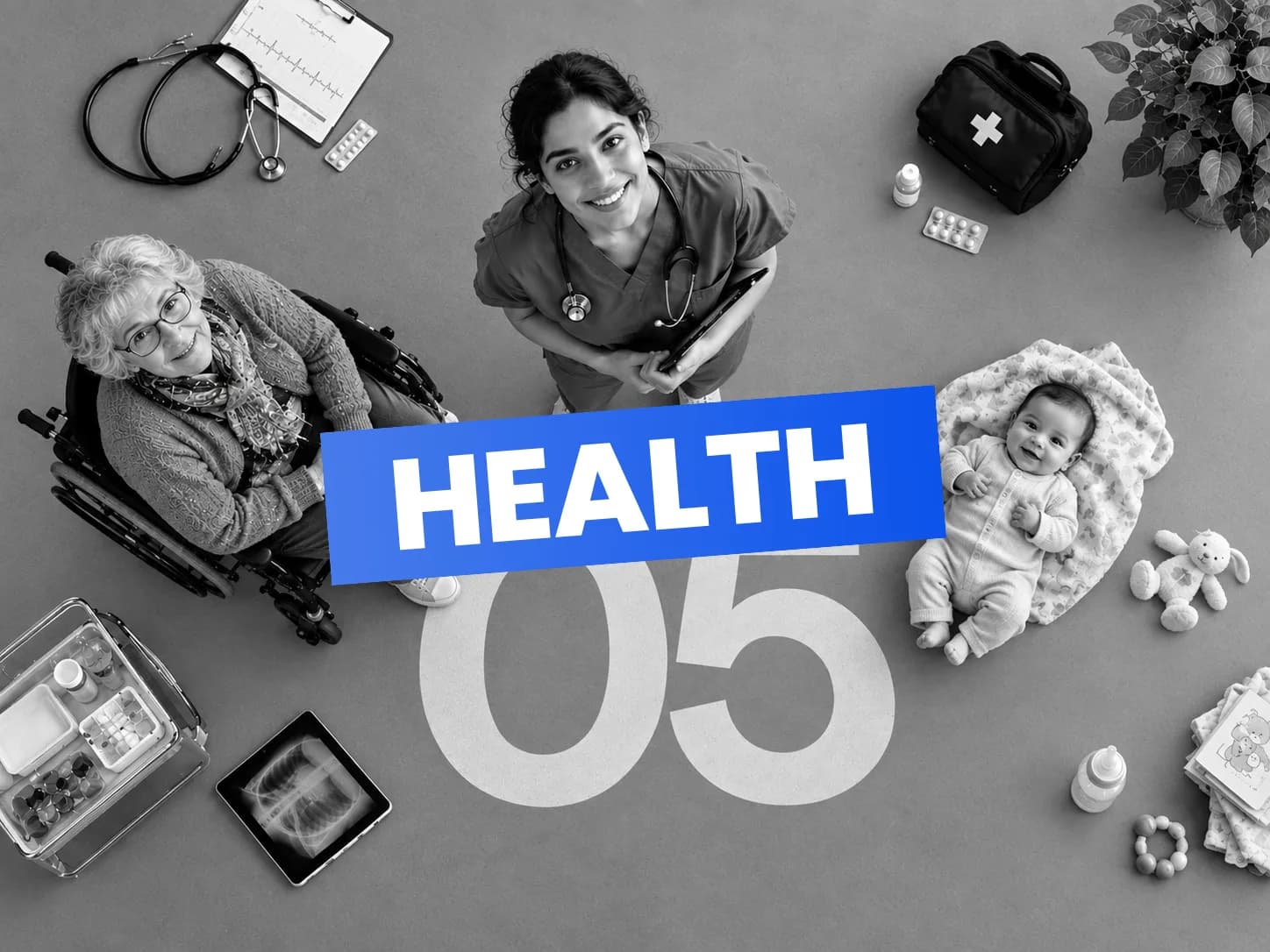
Health
Healthcare deserts, inequalities in access to care, the rise of chronic diseases, growing mental health challenges and an ageing population… Health has become a major societal challenge, calling into question our collective ability to prevent illness, support the most vulnerable and guarantee everyone the right to live in good health.
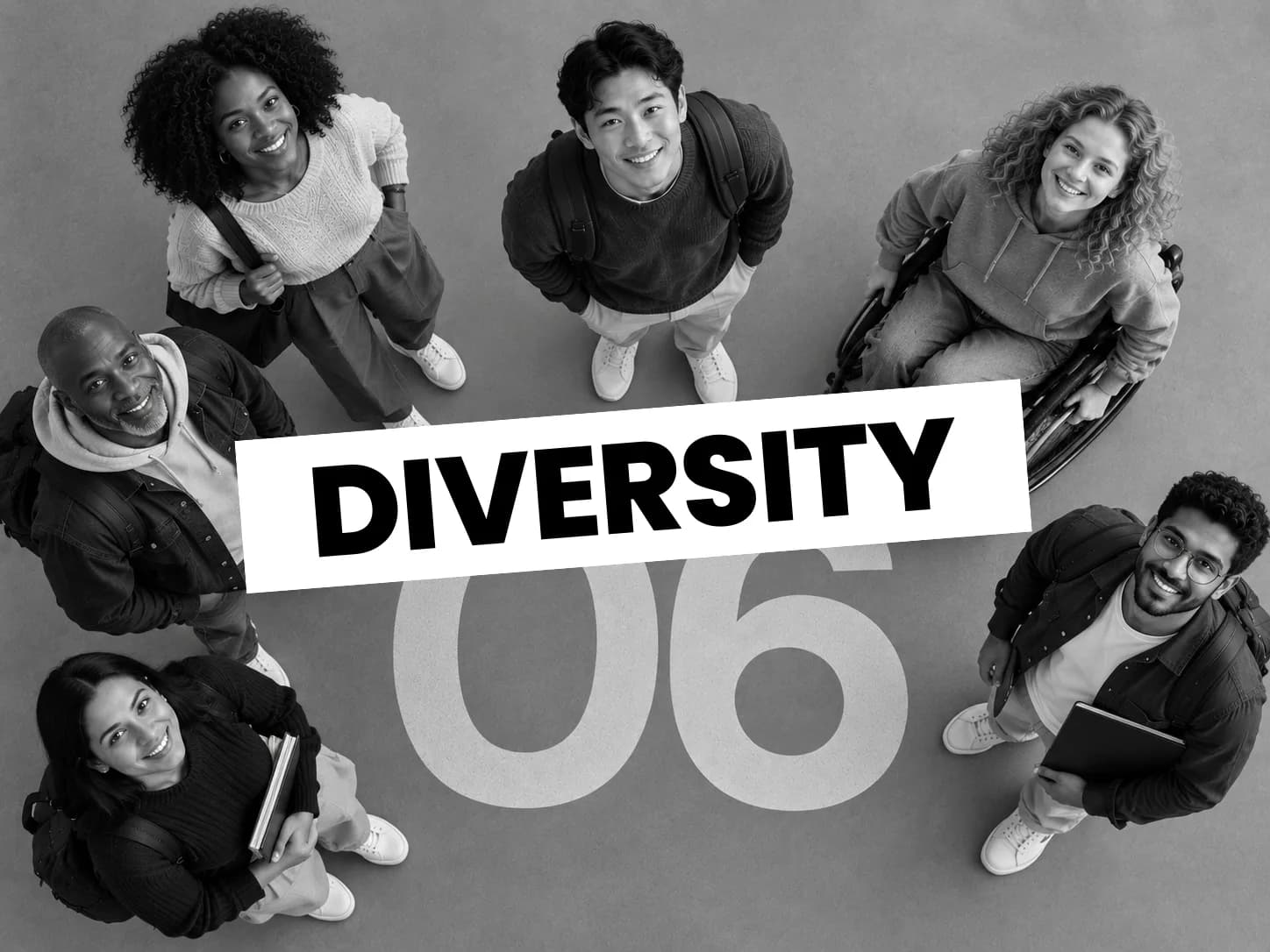
Diversity
Discrimination based on ethnic or social background, gender, age or disability; barriers to the inclusion of refugees; underrepresentation and lack of accessibility… Despite progress, many people still face obstacles that restrict their opportunities and their participation in society. Differences are still too often a source of exclusion rather than collective strength. How can we build a truly inclusive society in which everyone’s rights, abilities and individuality are recognised?
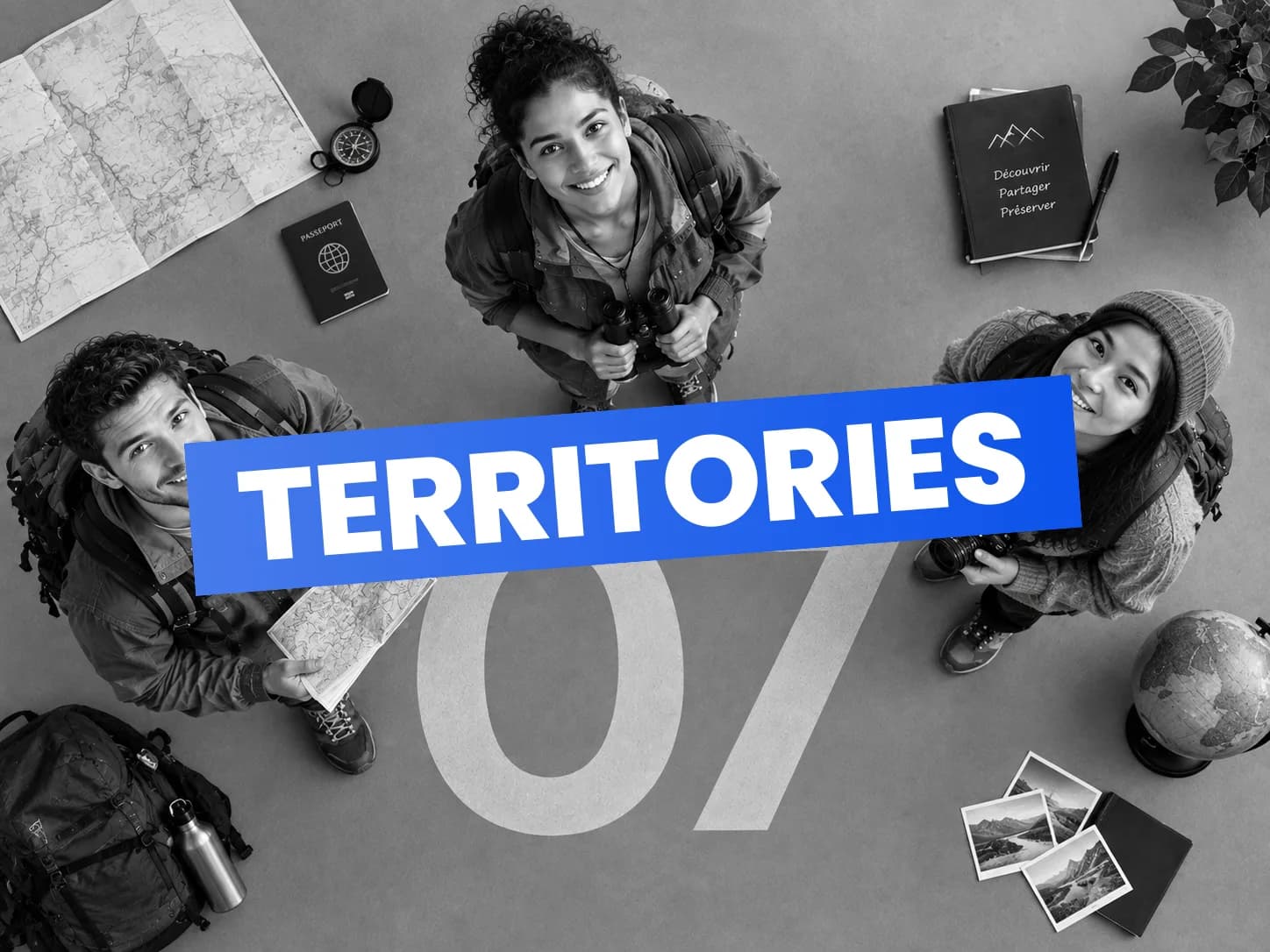
Territories
Declining town centres, struggling local businesses, limited mobility, unequal access to public services and housing… Where people live still has a major impact on their ability to get around, work, access healthcare or start a business. Faced with growing regional inequalities and changing ways of life, how can we rethink our cities, towns, villages and neighbourhoods to make them more vibrant, accessible, supportive and sustainable places to live?
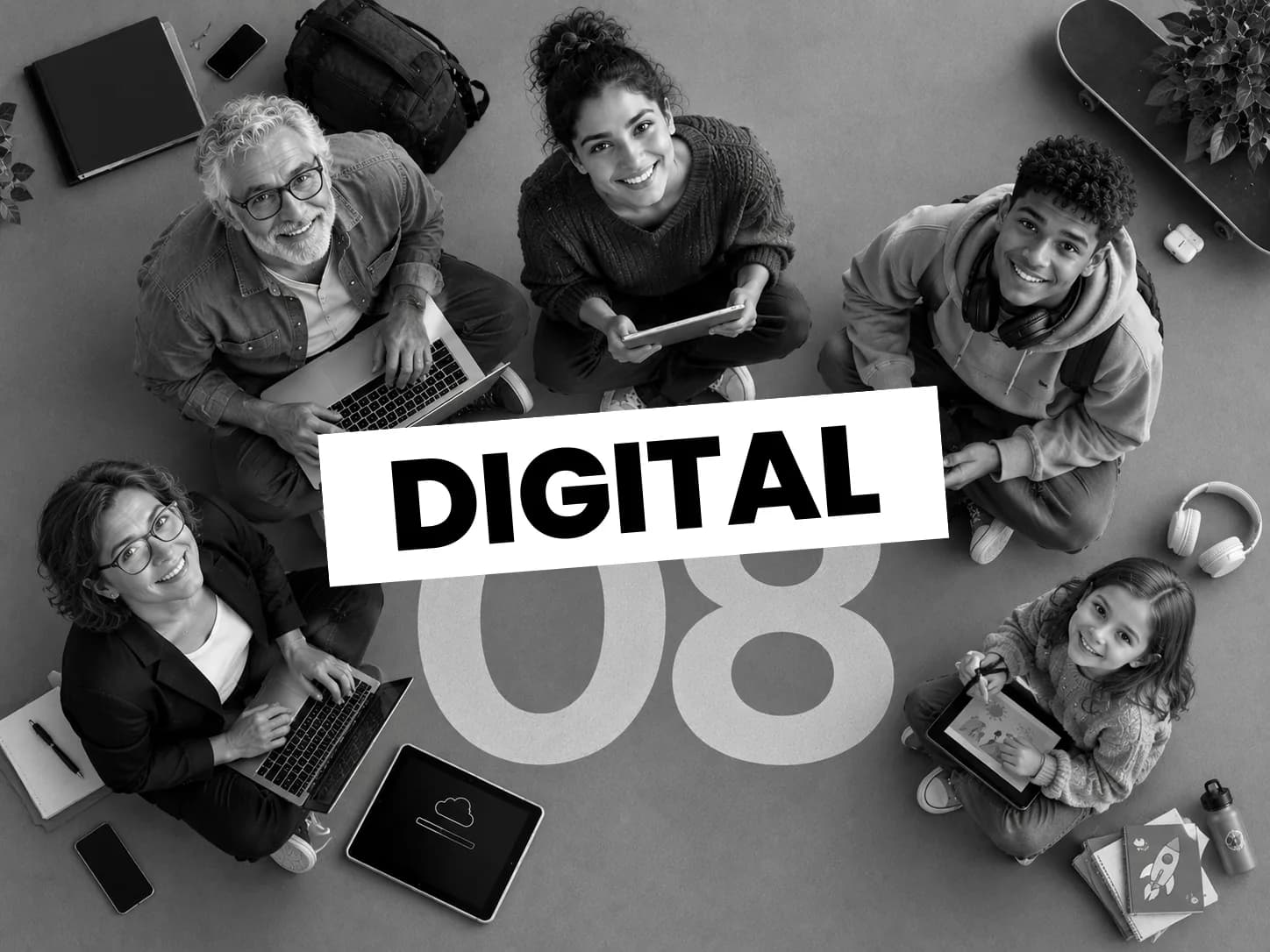
Digital
The digital divide, difficulties with online administrative services, dependence on major platforms, misinformation and personal data protection… Digital transformation is reshaping everyday life, relationships and access to services, but its benefits are not shared equally. The rise of artificial intelligence also raises new questions about the role of people and the uses of technology. How can we ensure that digital technologies remain accessible to everyone and serve society’s needs?
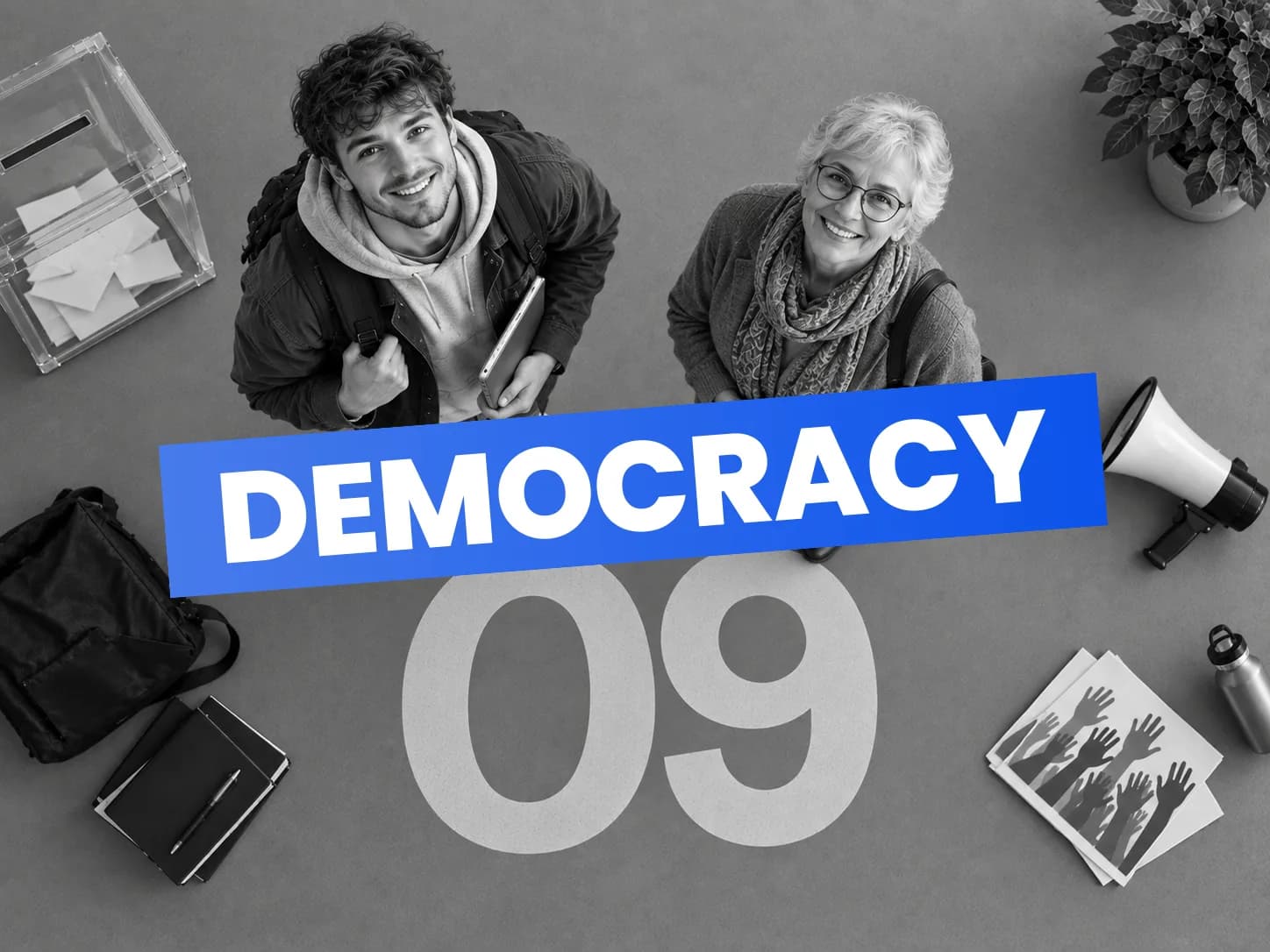
Democracy
Distrust in institutions, voter abstention, polarisation in public debate, the feeling of not being heard and difficulties in accessing one’s rights… The foundations of democratic life are being challenged, while many citizens are seeking new ways to take part in decisions that affect them. Beyond voting, how can we give citizens greater agency, make institutions more accessible and develop new forms of participation that renew democratic life?
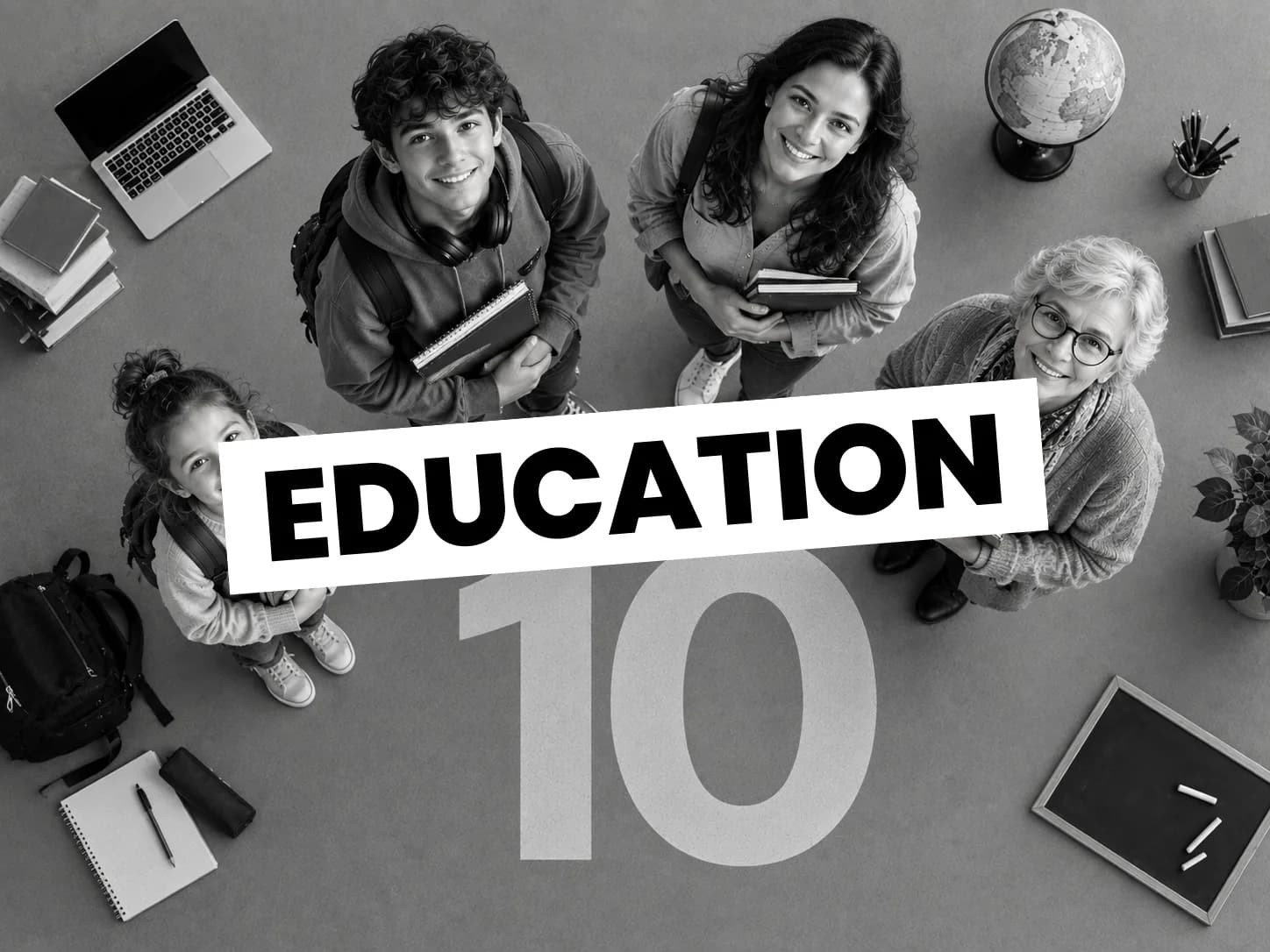
Education
Educational inequalities, school disengagement, difficulties in choosing a career path, student poverty and unequal access to knowledge and culture… Education remains one of the main drivers of personal empowerment and social mobility, yet opportunities for success still depend heavily on social background and learning conditions. In a world where skills and professions are changing rapidly, how can we rethink the way knowledge is passed on and give everyone the means to learn, thrive and shape their future?
Environment


Finance


Inclusion





Playlists
Community & Social Innovation
Strengthening communities, tackling inequalities and fostering collective action: investigations, reports and analysis to understand the initiatives shaping a more inclusive and resilient society.
Impact Finance
Directing capital towards projects that create positive social and environmental impact: investigations, reports and analysis to understand the role of impact finance in building a more sustainable economy.
Youth & Education
Education shapes life paths, while young people are driving the transformations of tomorrow: investigations, reports and analysis to understand the challenges of learning, equal opportunities and youth empowerment.
Climate & Sustainability
Protecting our planet, preserving resources and accelerating the transition to a more sustainable future: investigations, reports and analysis to understand the challenges of climate change and sustainability.
Inclusion & Disability
Breaking down barriers, promoting equal opportunities and ensuring everyone can take part in society: investigations, reports and analysis to understand the challenges of disability, inclusion and diversity.
Mental Health & Wellbeing
Promoting mental wellbeing, preventing psychological distress and improving access to support: investigations, reports and analysis to understand the challenges shaping mental health and wellbeing.
Refugees & Migration
Supporting people on the move, fostering inclusion and ensuring access to rights: investigations, reports and analysis to understand the challenges of migration, asylum and refugee integration.
Articles
 FranceFR
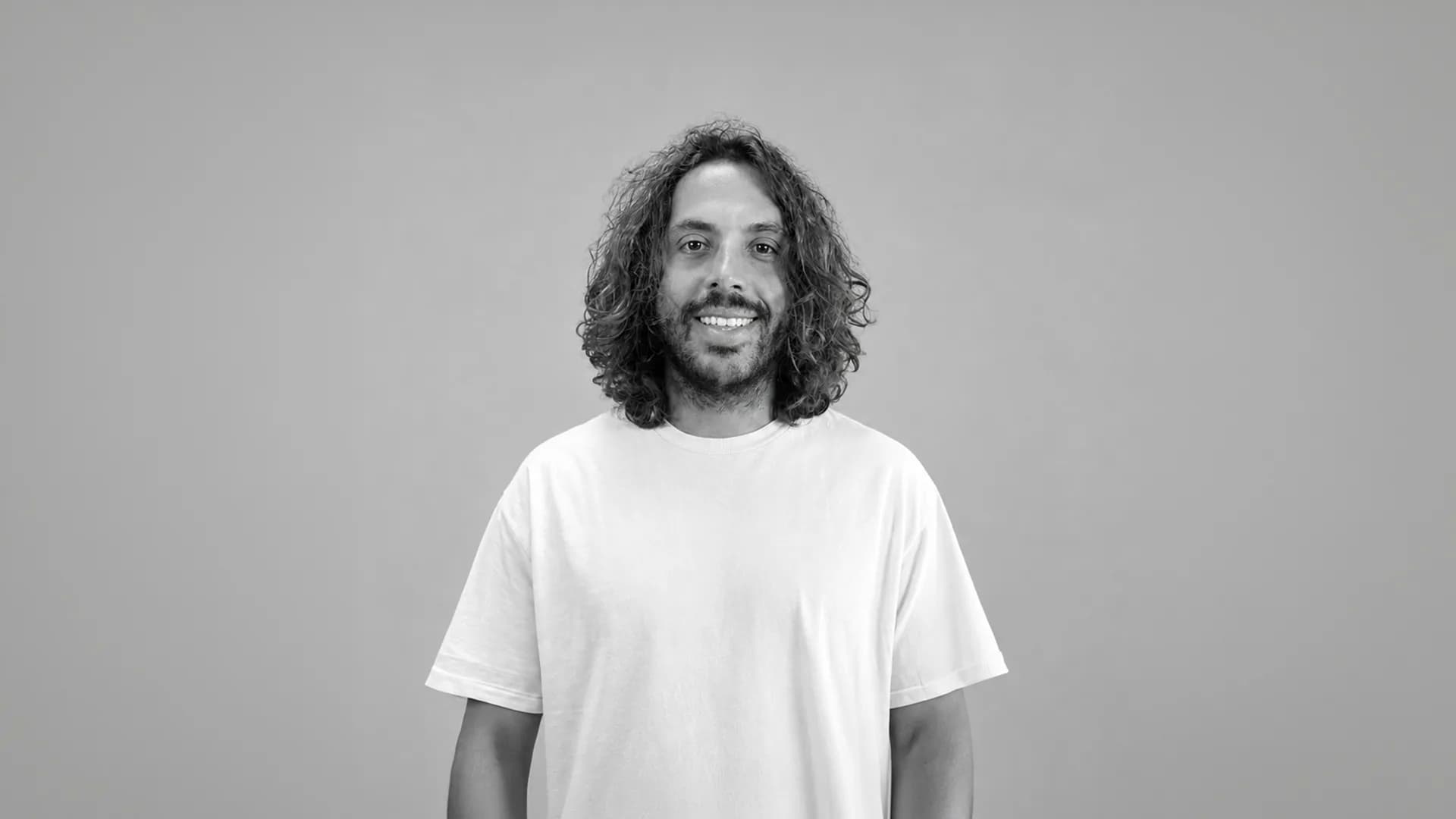
Why Engage Employees in the Service of the Common Good?
Malcolm Ouzeri is one of the leaders of Komeet, a platform that helps companies engage their employees with associations.
 FranceFR
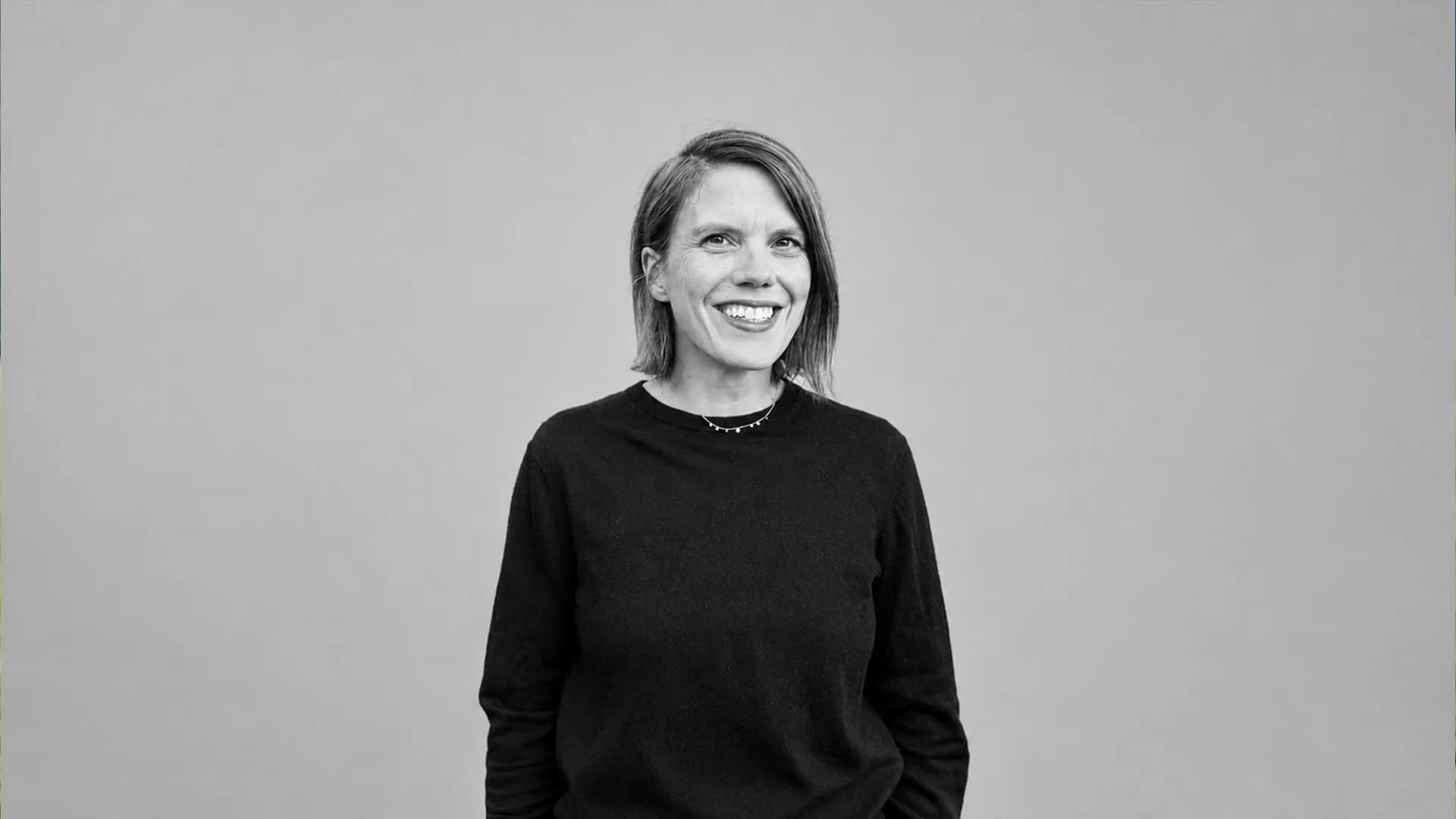
How Can Our Fork Change the World?
Julie Van Ossel is a journalist and entrepreneur, founder of La Recette, a podcast and company that showcases initiatives for sustainable food.
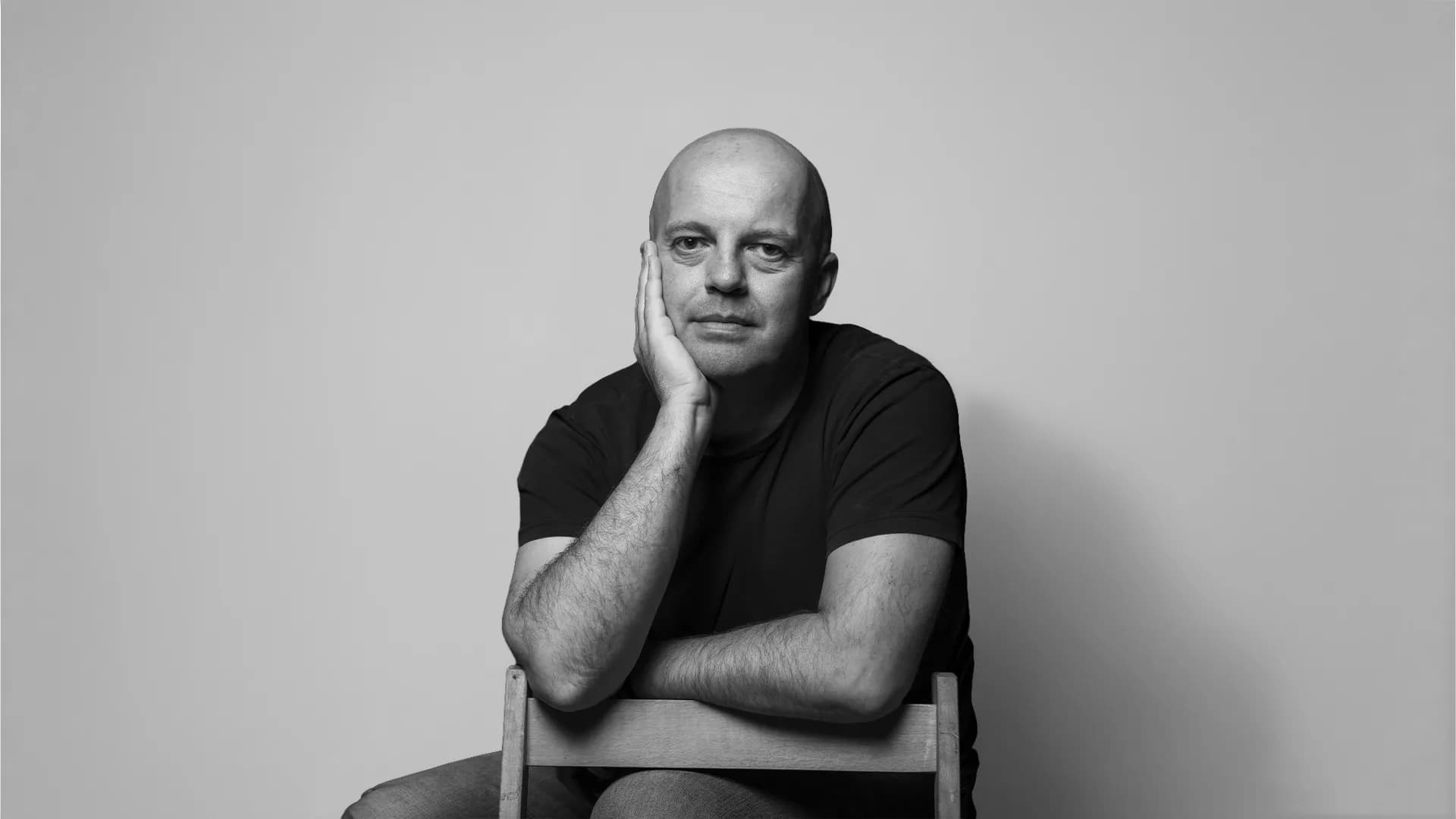 SpainES
Why the Future May Lie in Villages and Not in Cities?
Iván del Caz is 55 years old, lives in a small village in Álava, and is the founder of Rural Citizen, a community of over 7,700 public and private actors working for entrepreneurship and territorial balance in rural areas.
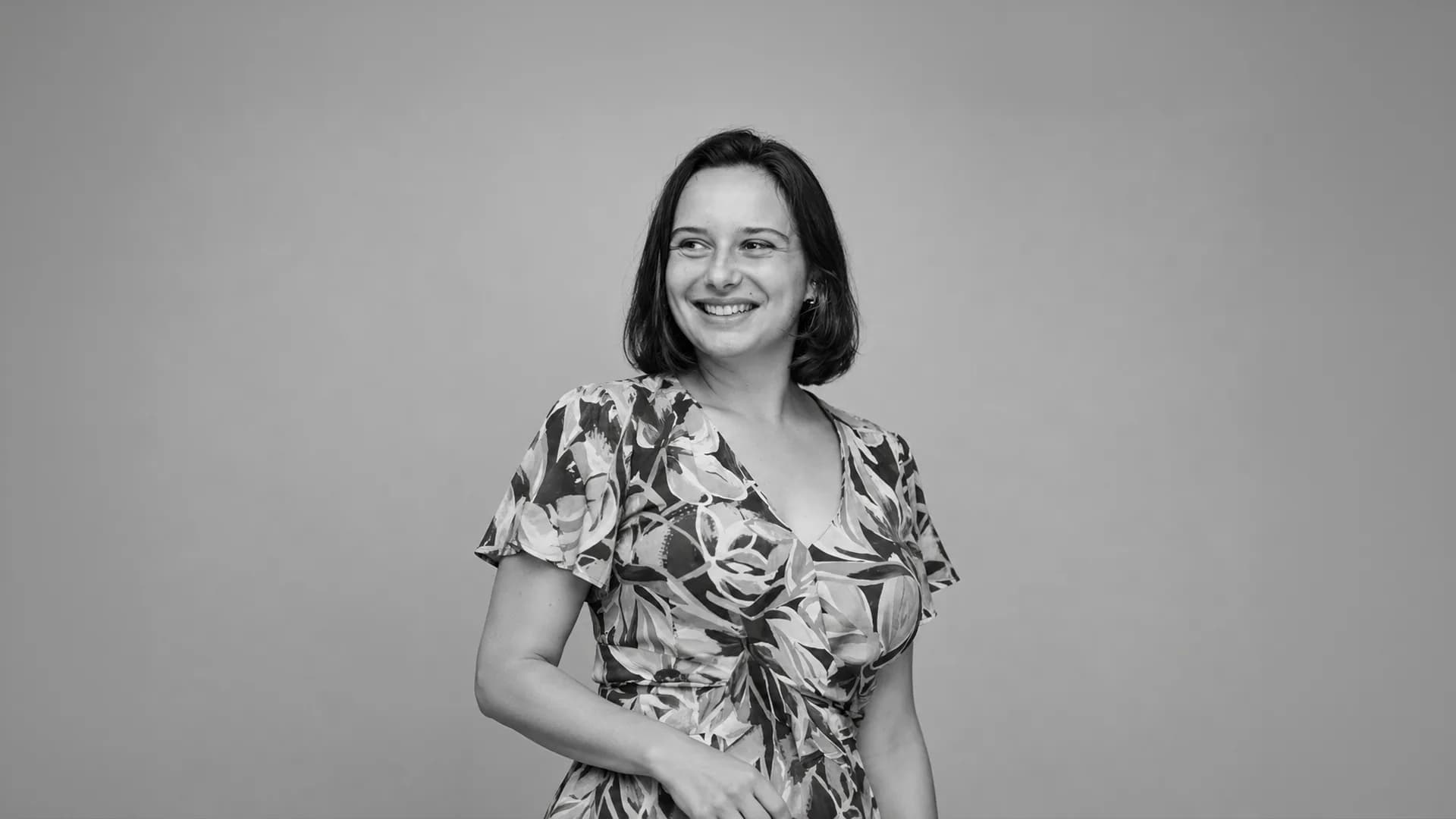 FranceFR
Why Reconnect with People in Situations of Precarity?
Claire de La Roncière is the Employee Engagement Manager at Entourage, an organization fighting against exclusion by rebuilding social connections. Through awareness workshops and collective actions, she encourages companies and their employees to change their perspective on precarity and take action.
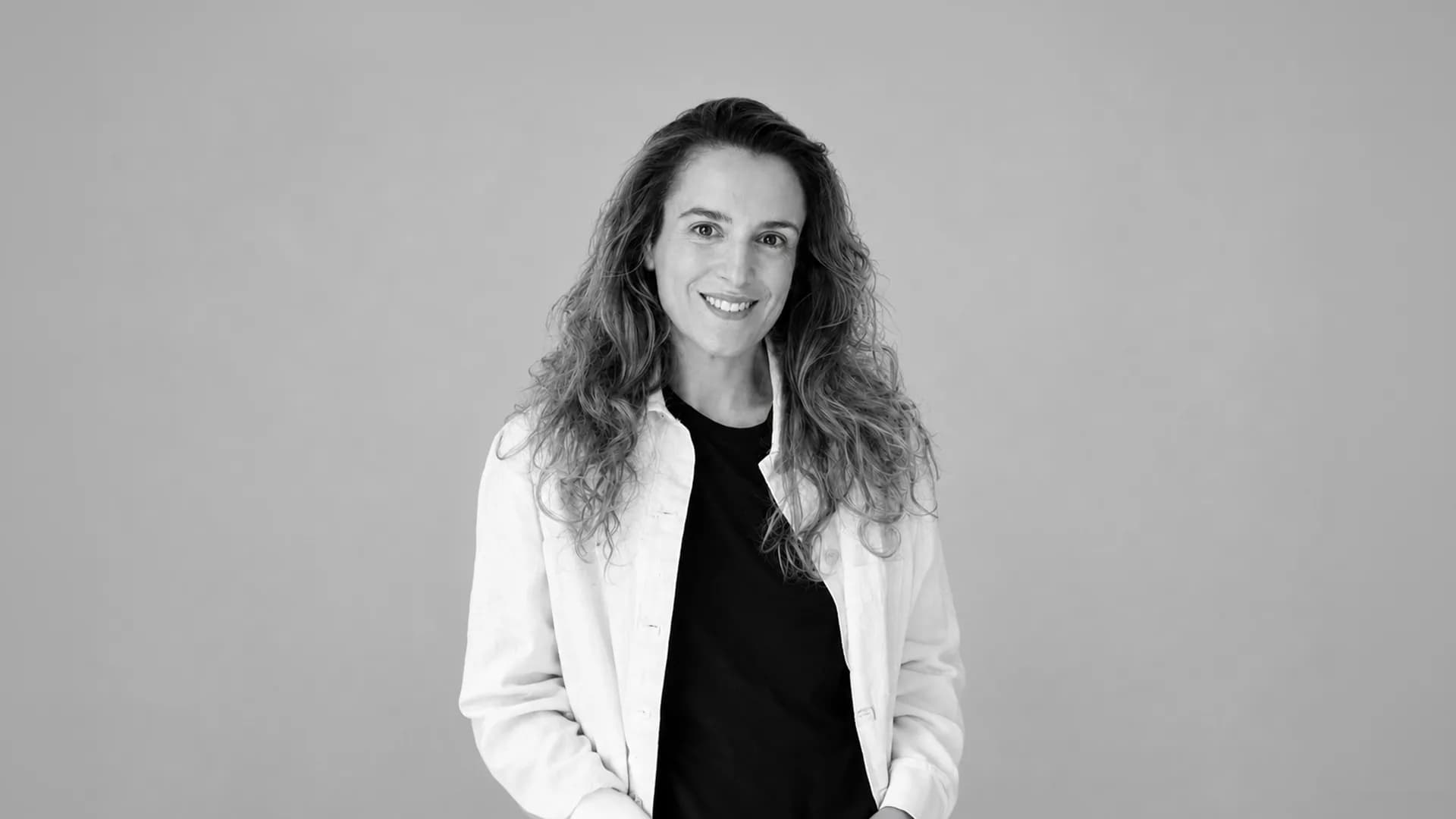 FranceFR
Why Rethink Youth Guidance in the Face of AI?
Marine Ravinet is the spokesperson for Chance, an organization that has been supporting individuals in their career guidance for over 10 years. As many young people find themselves without a place in higher education after Parcoursup and artificial intelligence disrupts the job market, Chance offers them 12,000 guidance pathways to help them find their way.
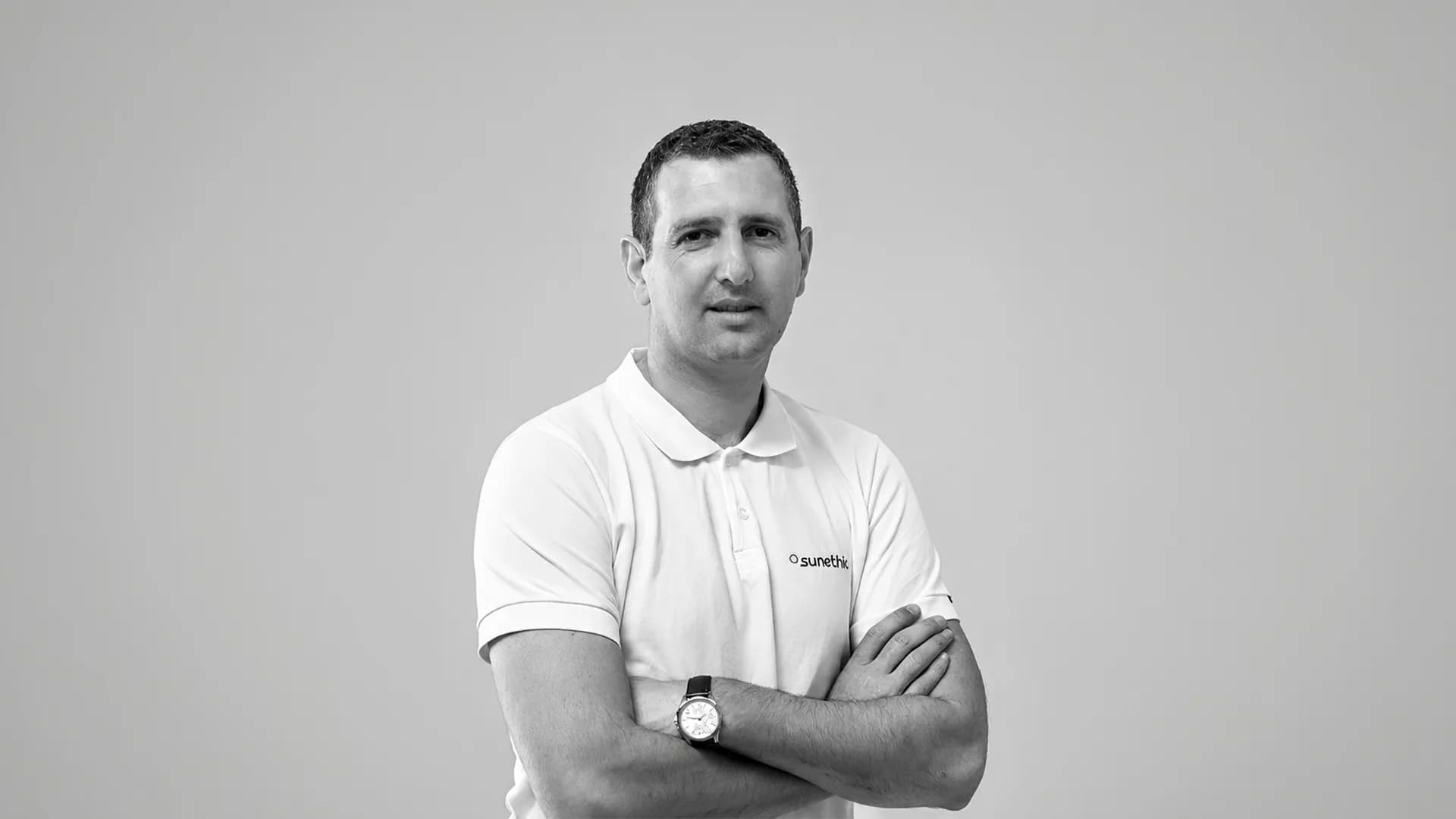 FranceFR
Why Make Solar Energy Accessible to Everyone?
Thomas Cautier is the founder and president of Sunethic, a start-up specializing in photovoltaic solutions for individuals.
 FranceFR
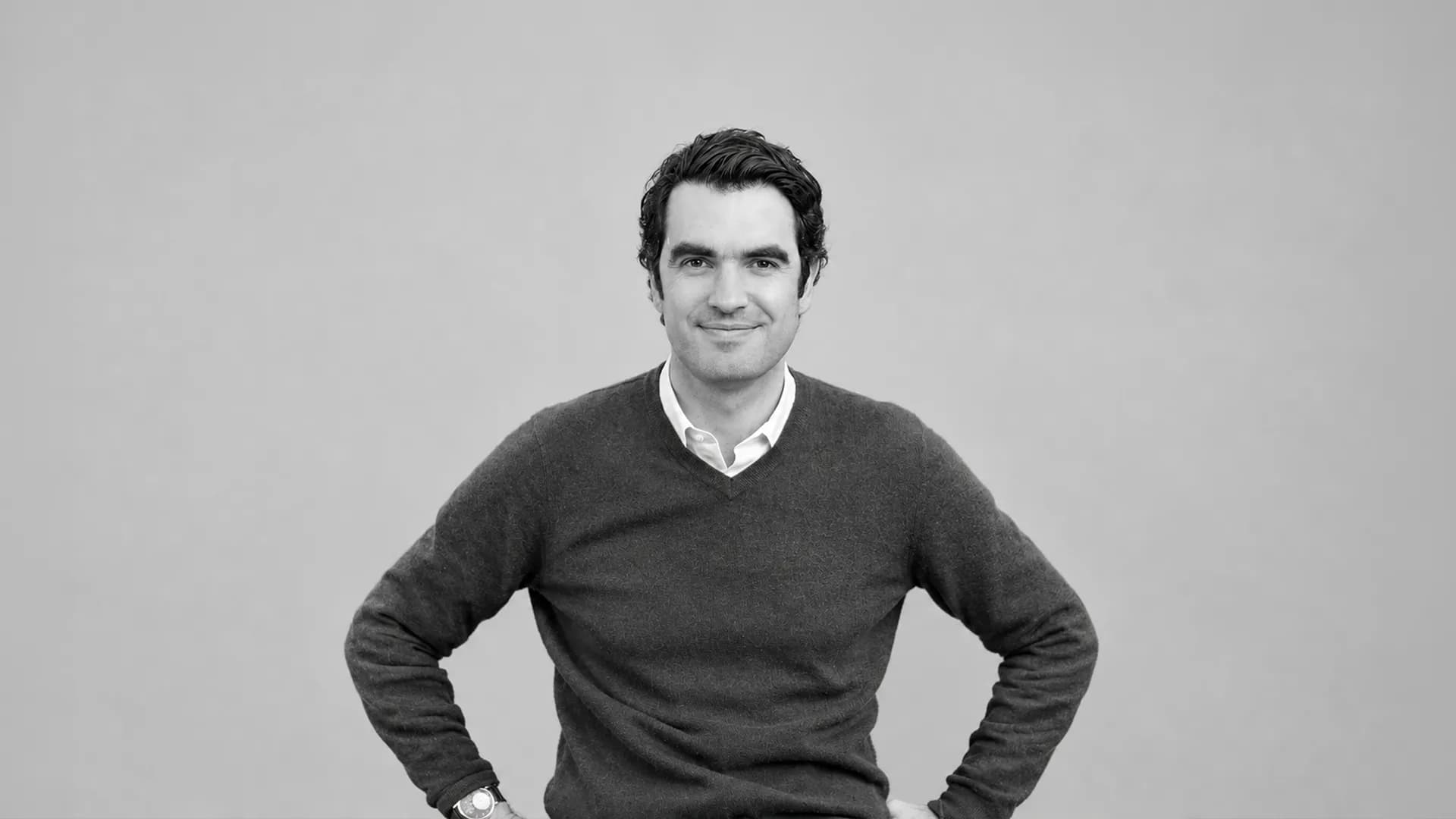
Why can ecological transition also be profitable for businesses?
Alexis Normand is the CEO and co-founder of Greenly, a carbon accounting platform that helps companies measure and reduce their environmental footprint.
 SpainES
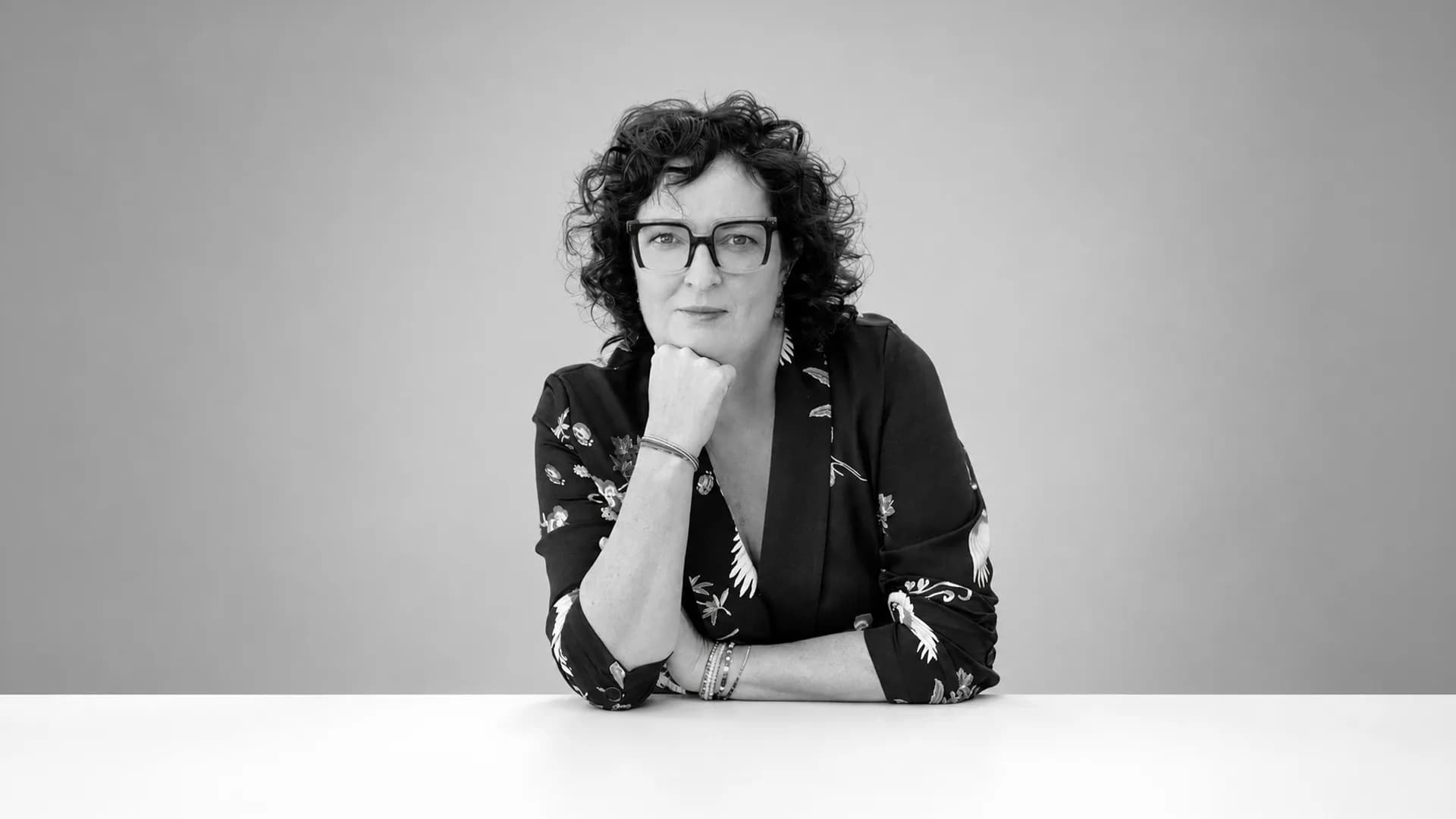
Why giving a second life to clothing can transform the economy and society?
Noema Paniagua is 52 years old, from Madrid, and leads Moda Re, the social cooperative promoted by Cáritas that has become the largest textile waste management operator in Spain.
 GermanyDE
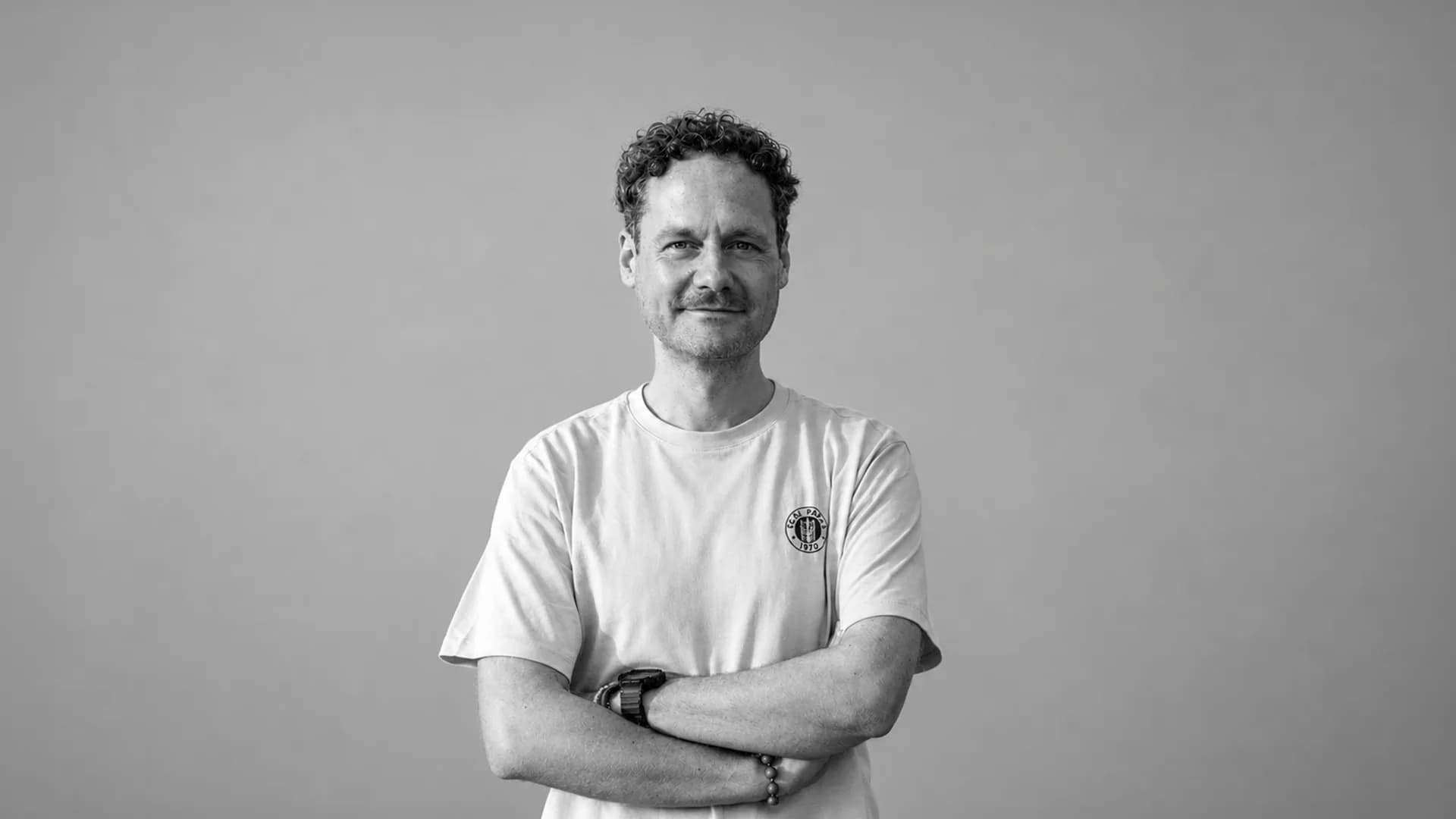
Why Do We Need Role Models for Fair Education?
For 20 years, Chancenwerk has been supporting children and young people on their educational journey. The organization has initiated tutoring by students for students, along with its own digital learning platform.
 FranceFR
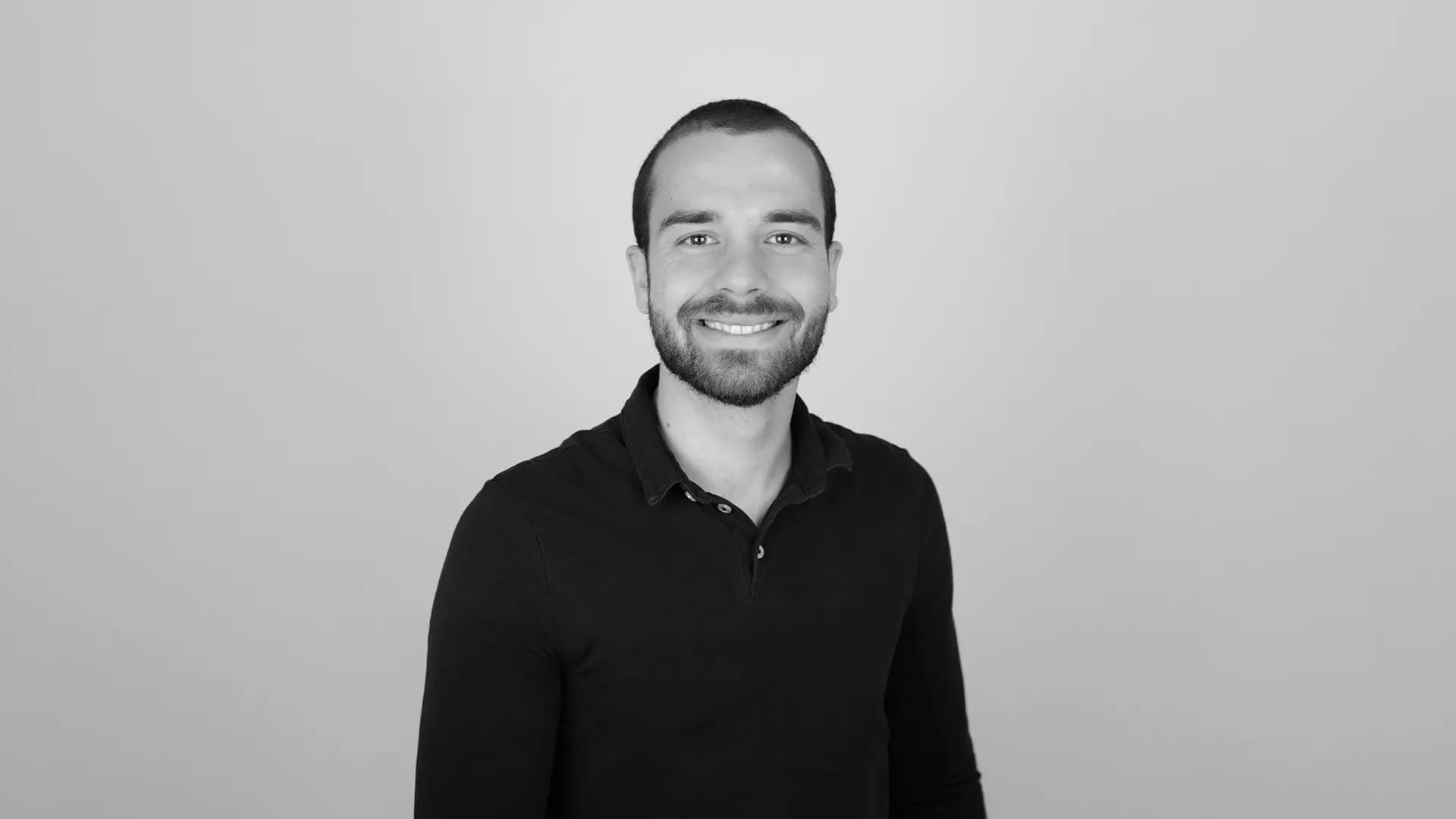
Why Give More Effectively?
Romain Barbe is the co-founder and director of Mieux Donner, an independent platform that helps individuals direct their donations to selected associations based on their effectiveness.
 FranceFR
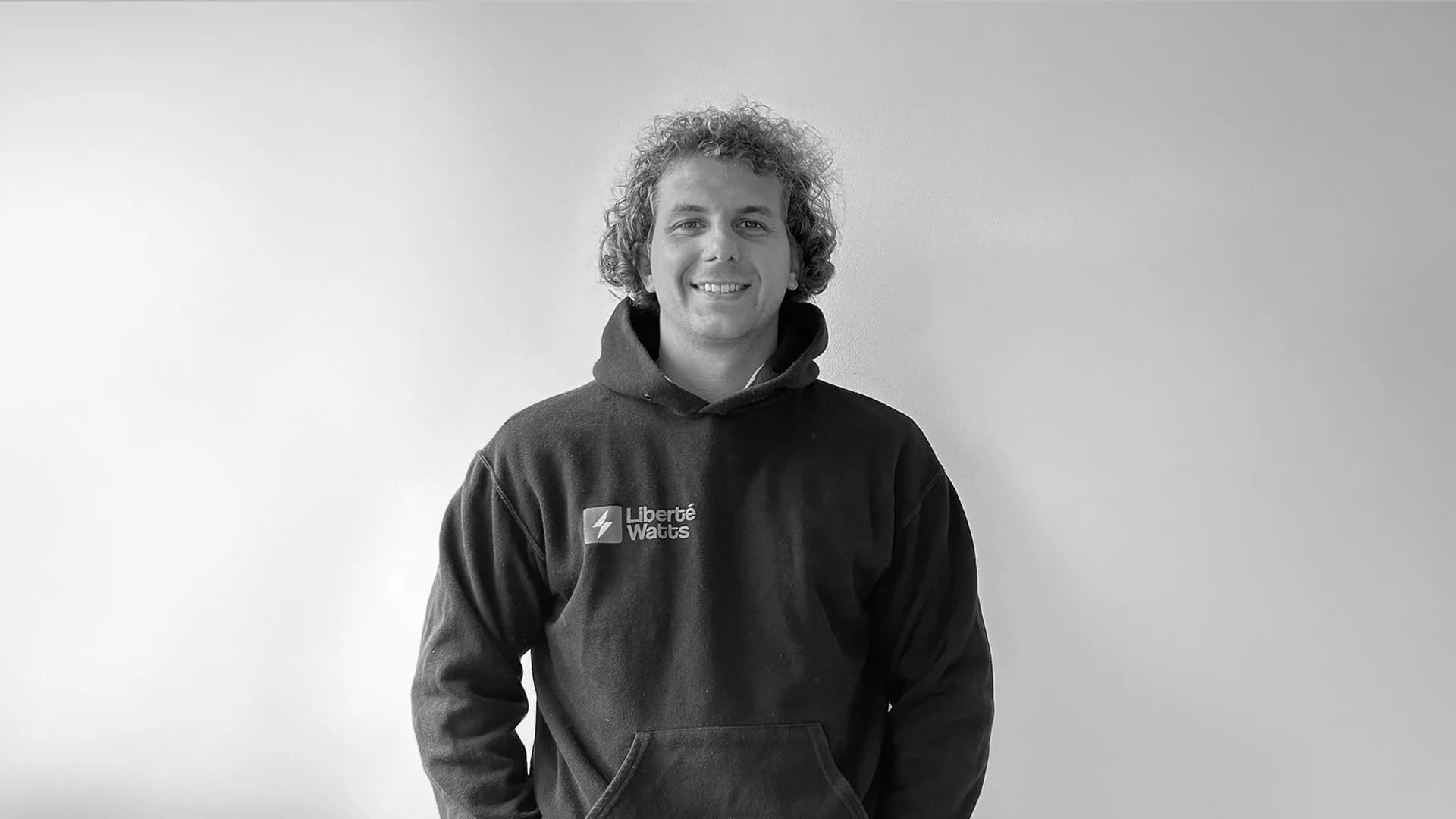
Why Make Energy Savings Fun and Accessible to Everyone?
Guillaume Faure is the founder of Liberté Watts, a mobile app that encourages individuals to reduce their electricity consumption through fun challenges while saving money.
 FranceFR
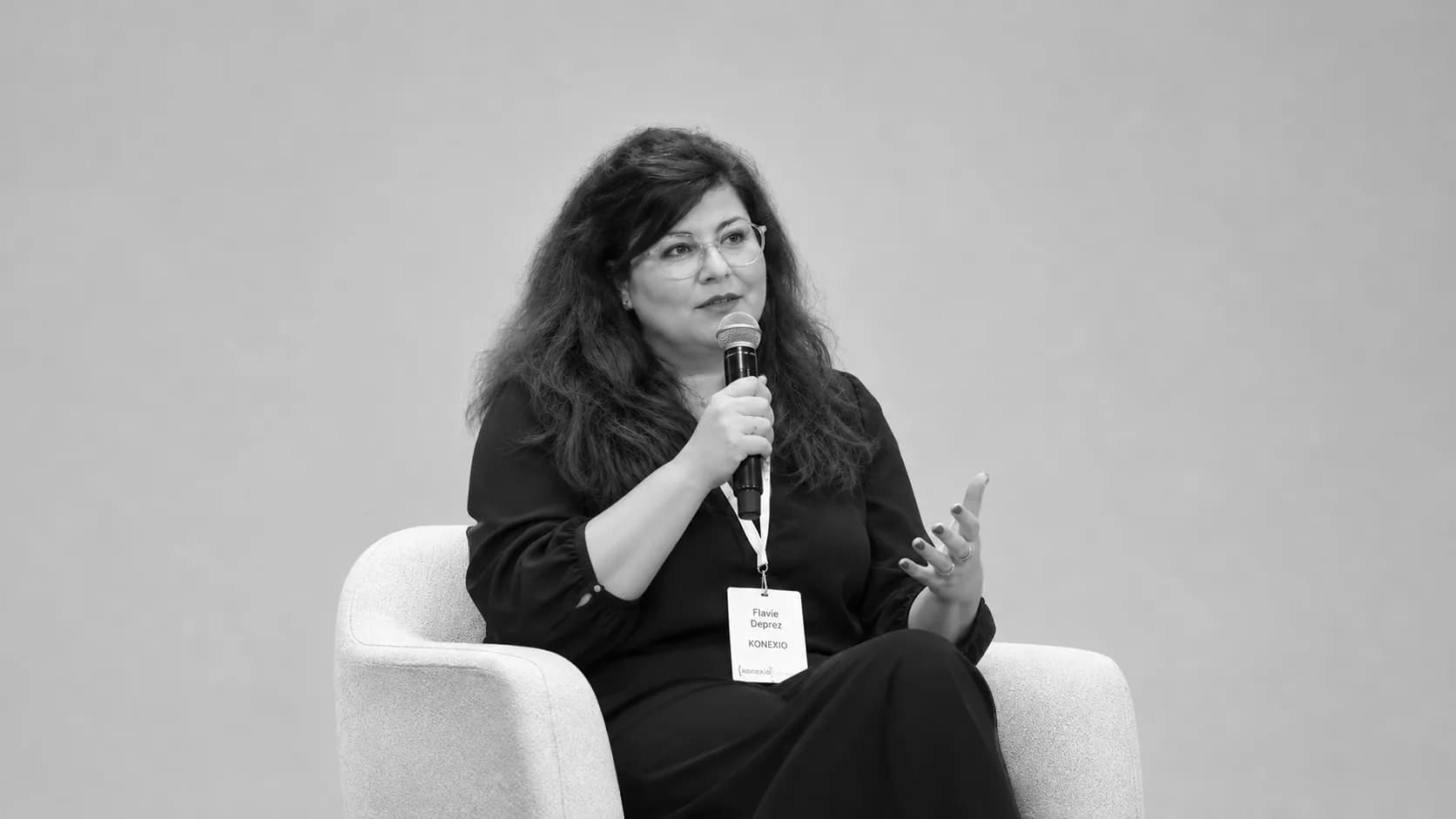
Why Make Digital an Opportunity for Everyone?
Flavie Deprez is the CEO of Konexio, an association that trains people distanced from employment or digital tools in digital skills and artificial intelligence.
 FranceFR
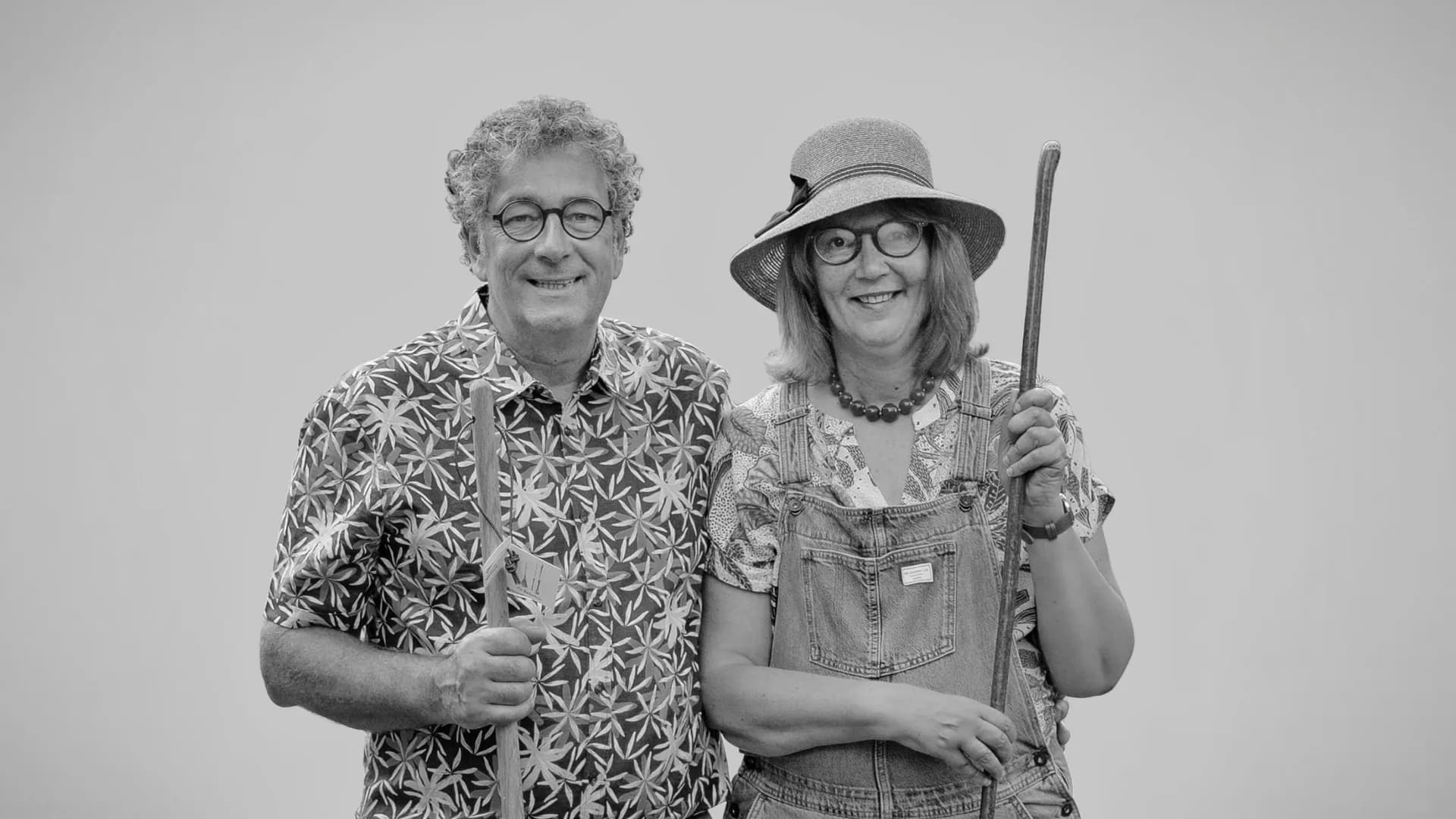
Why Revive Forgotten Crafts?
Arnaud and Marie-Laure Gabriel are the co-managers of La Balaiterie, which produces brooms made from sorghum straw. Their company has chosen to revive "an old, vanished trade" by relying on a natural fiber and a nearly forgotten know-how.
 SpainES
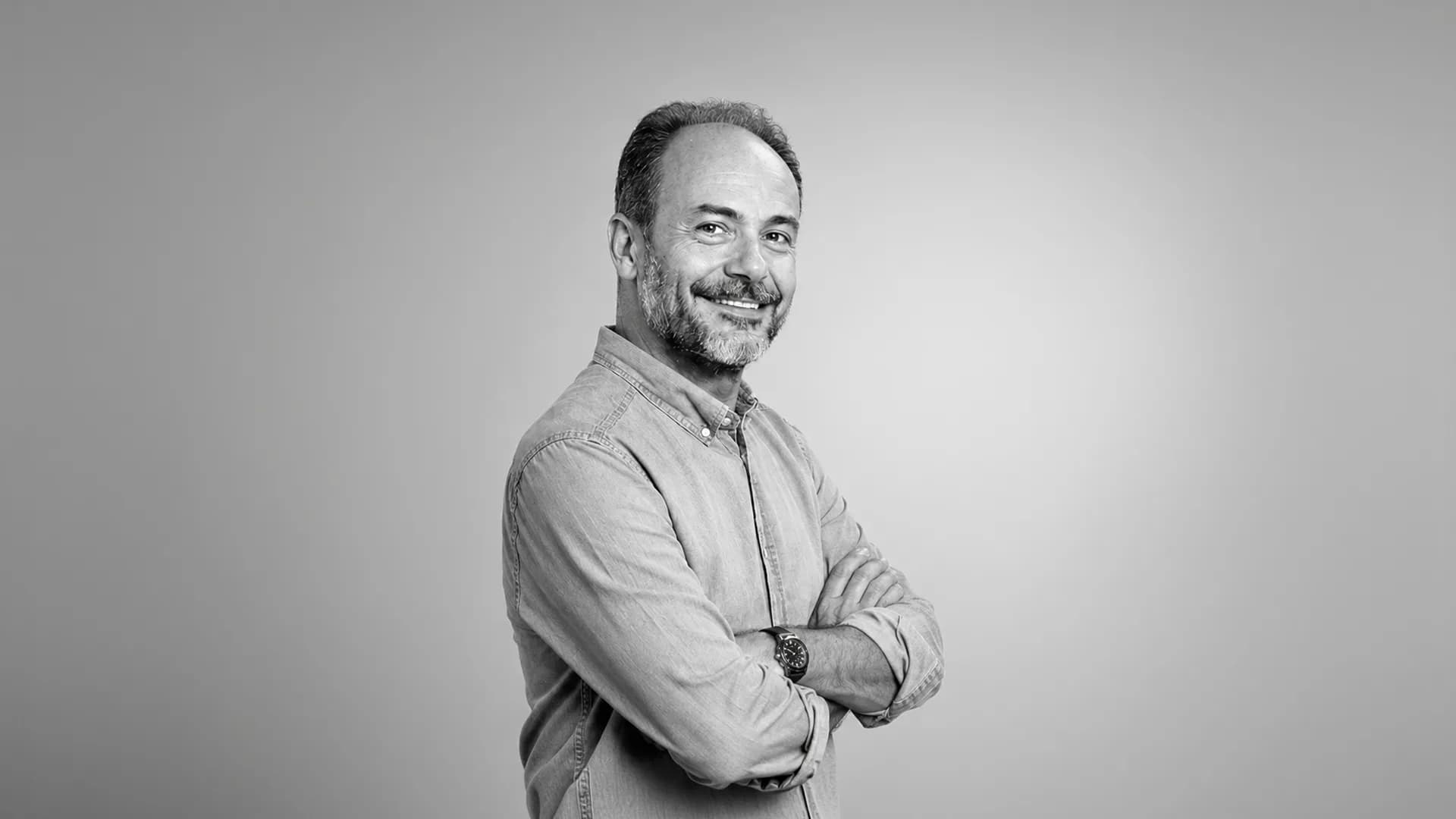
Why a Single-Leg Exoskeleton Can Change the Lives of Millions of Stroke Survivors
Marc Serra is 52 years old, born in Barcelona, and is the co-founder of Robopedics, a medical technology startup that has developed the first bionic walking aid specifically designed for people who have suffered a stroke.
 GermanyDE
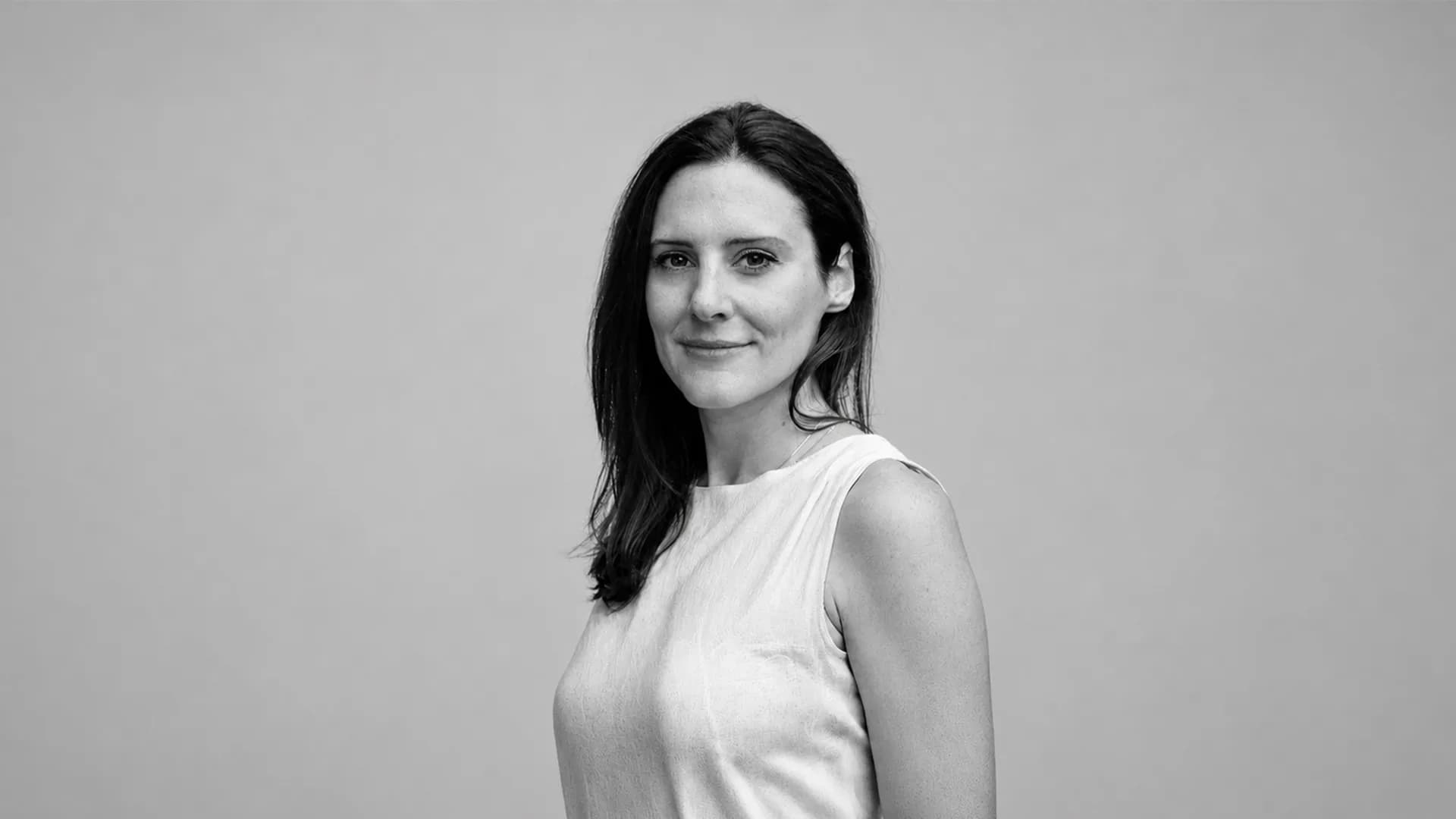
Why is Digital Matchmaking Necessary in Job Searching?
Socialbee is a digital platform that connects talents with refugee or migration experiences to companies across Germany.
 FranceFR
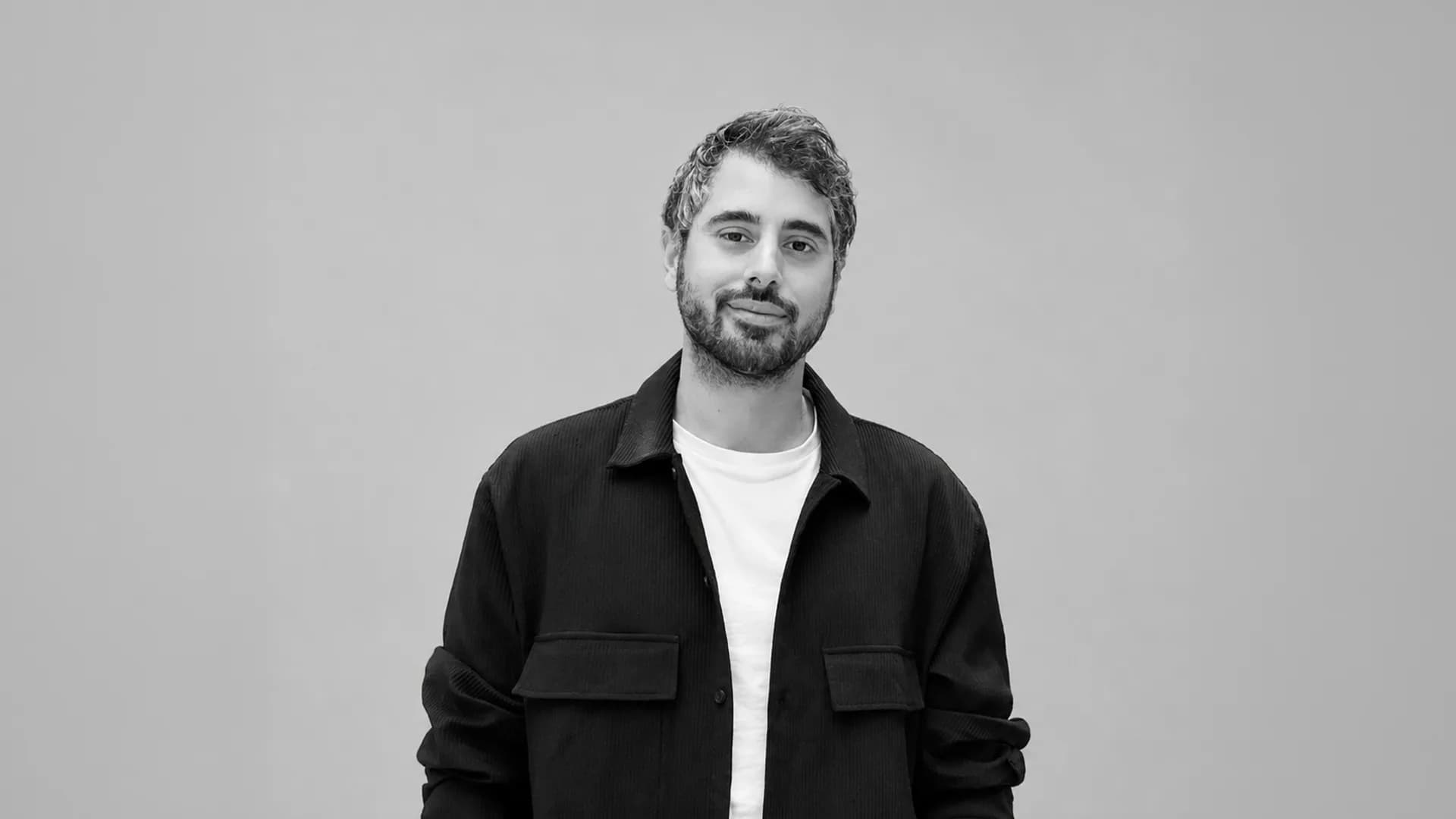
Why Reinvent the Status of Independents in the Face of Precarity?
Dany El Oubari is the co-founder and CEO of INCOM, a solution that allows VTC drivers to benefit from the status of salaried entrepreneurs.
 FranceFR
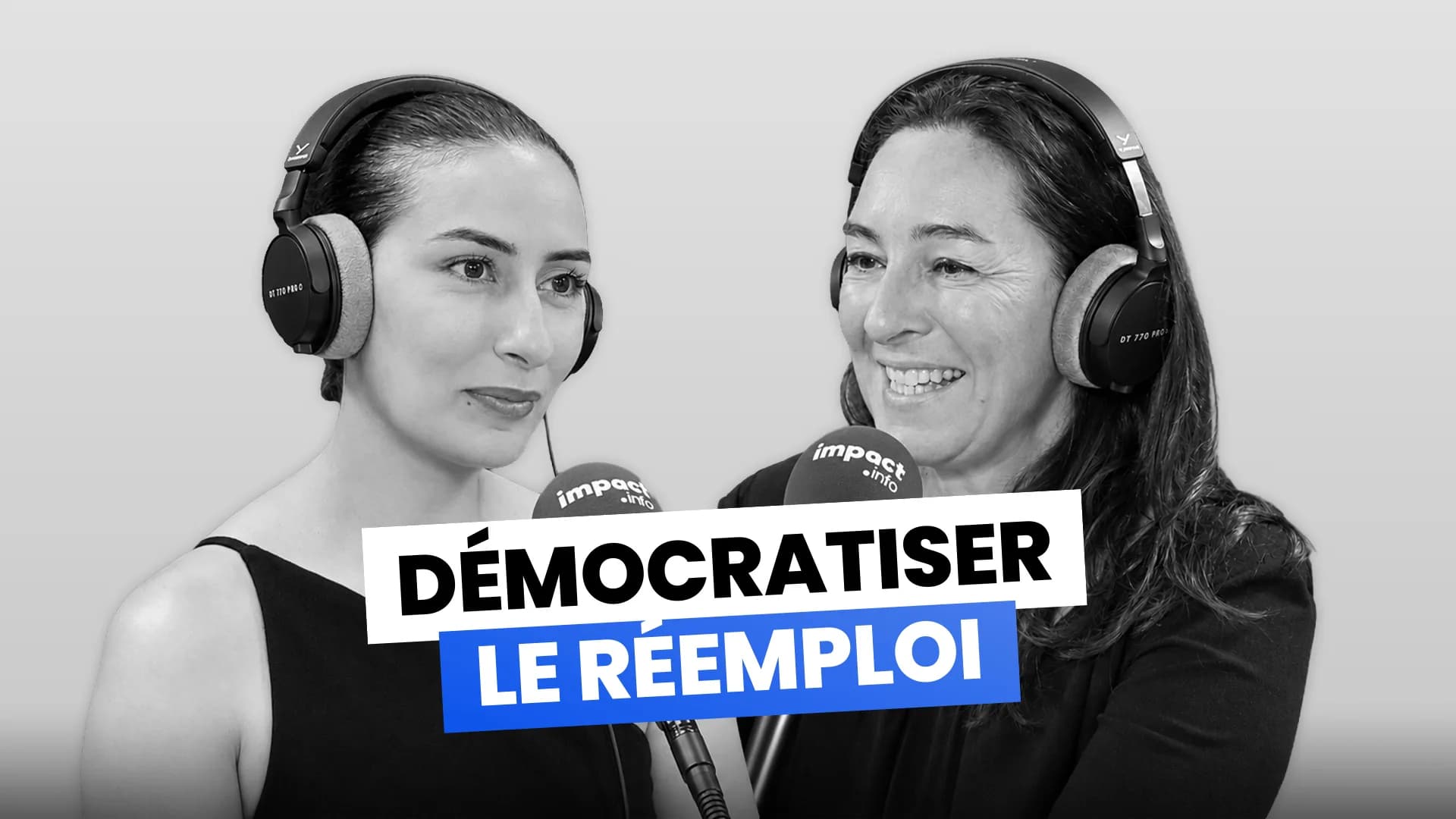
How to Better Reuse Building Materials?
Karima Lebsir is the co-founder of Cycle Zéro, an app that connects construction companies and individuals to give a second life to materials from construction sites.
 GermanyDE
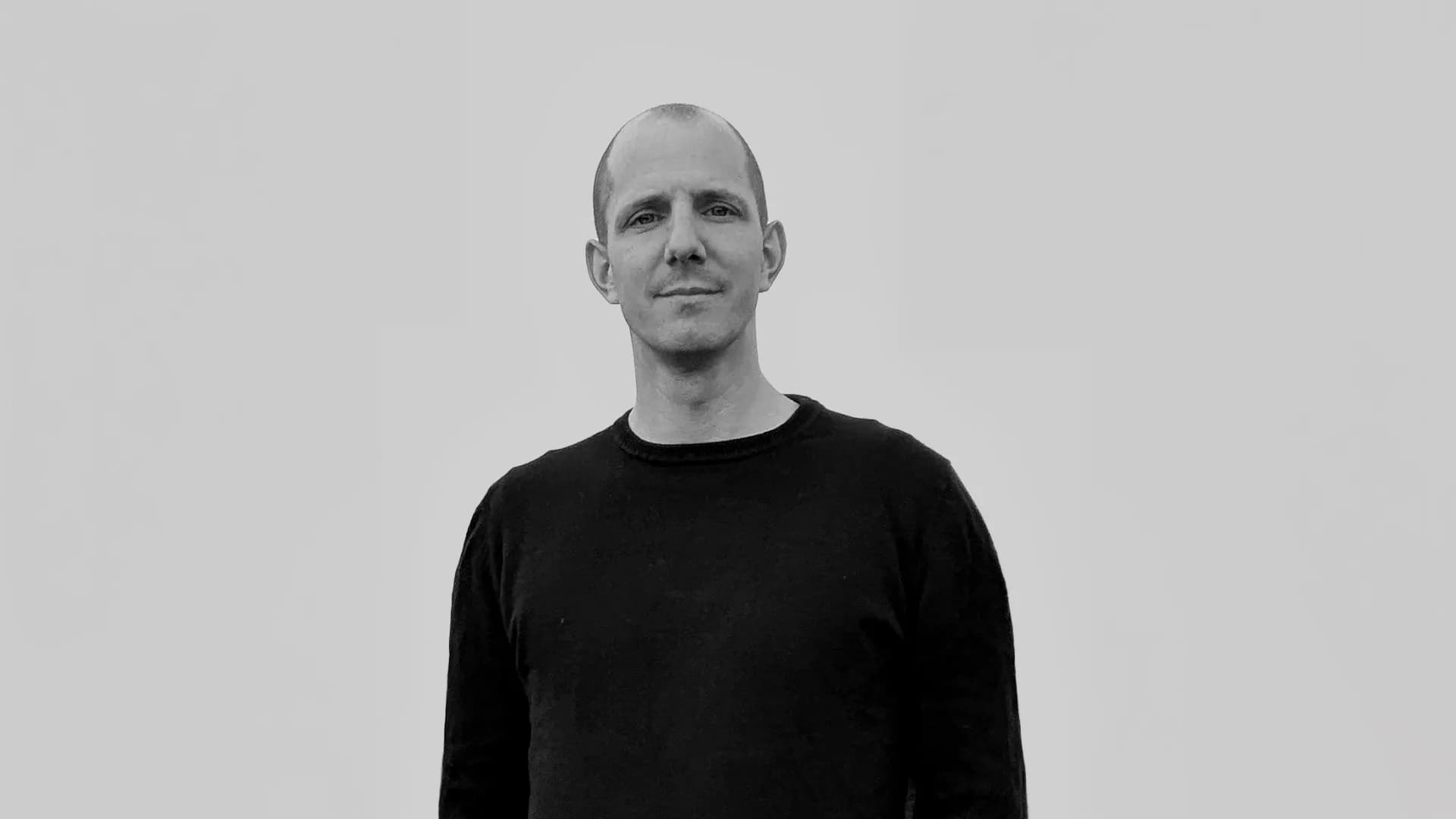
Why Do We Need Homeless People as City Guides?
Clemens Poldrack is a project manager at querstadtein. This organization offers city tours led by people who have experienced homelessness or have a refugee and migration background.
 SpainES
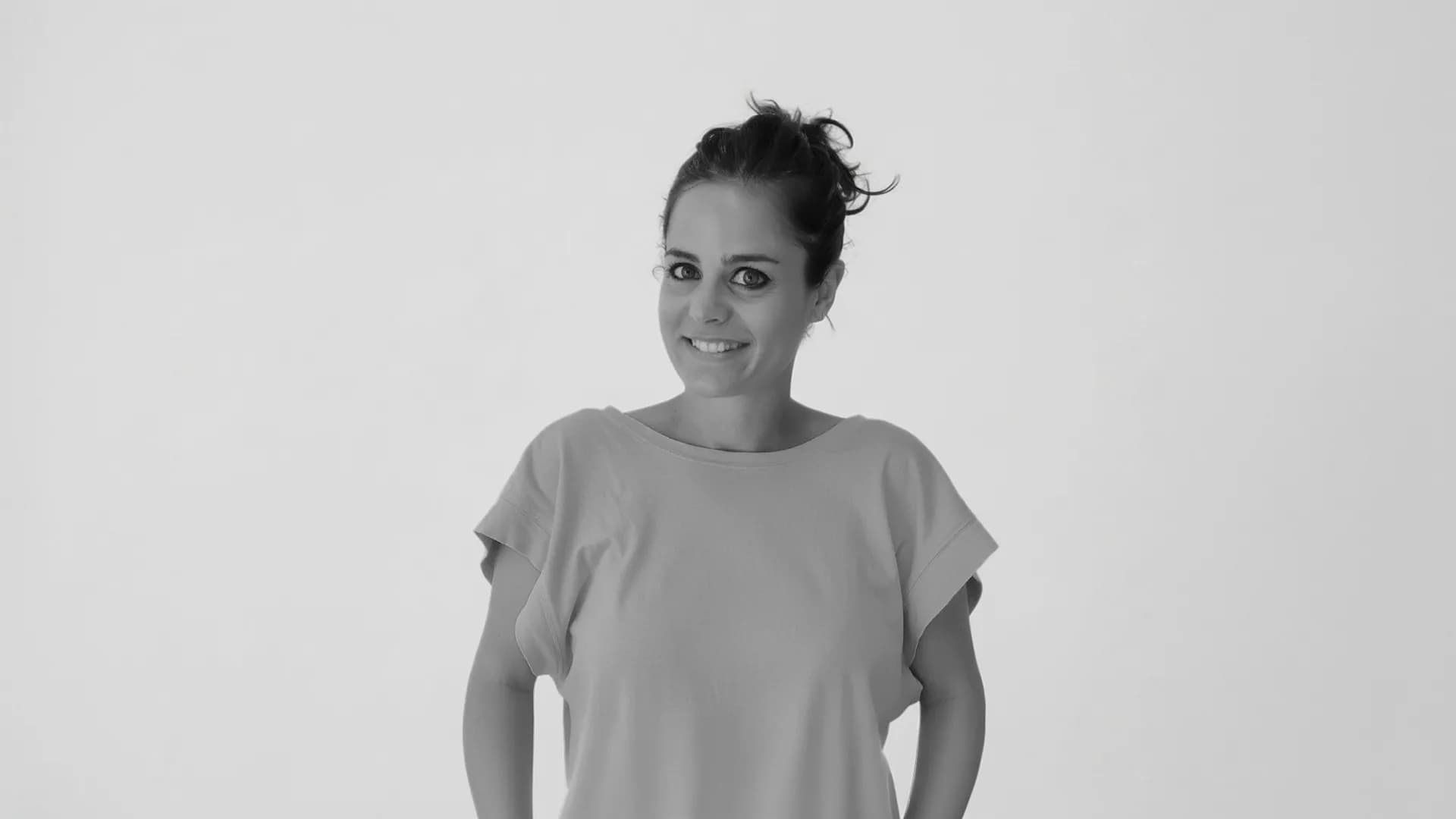
Why Talent Shouldn't Retire at 55
Elena Parras Durán is 42 years old, from Jaén, and is the founder and CEO of 55+. This platform connects people over 55 who are inactive in their professional lives with those who need their services. It has been active for almost eight years in Portugal and since last year in Spain.
 SpainES
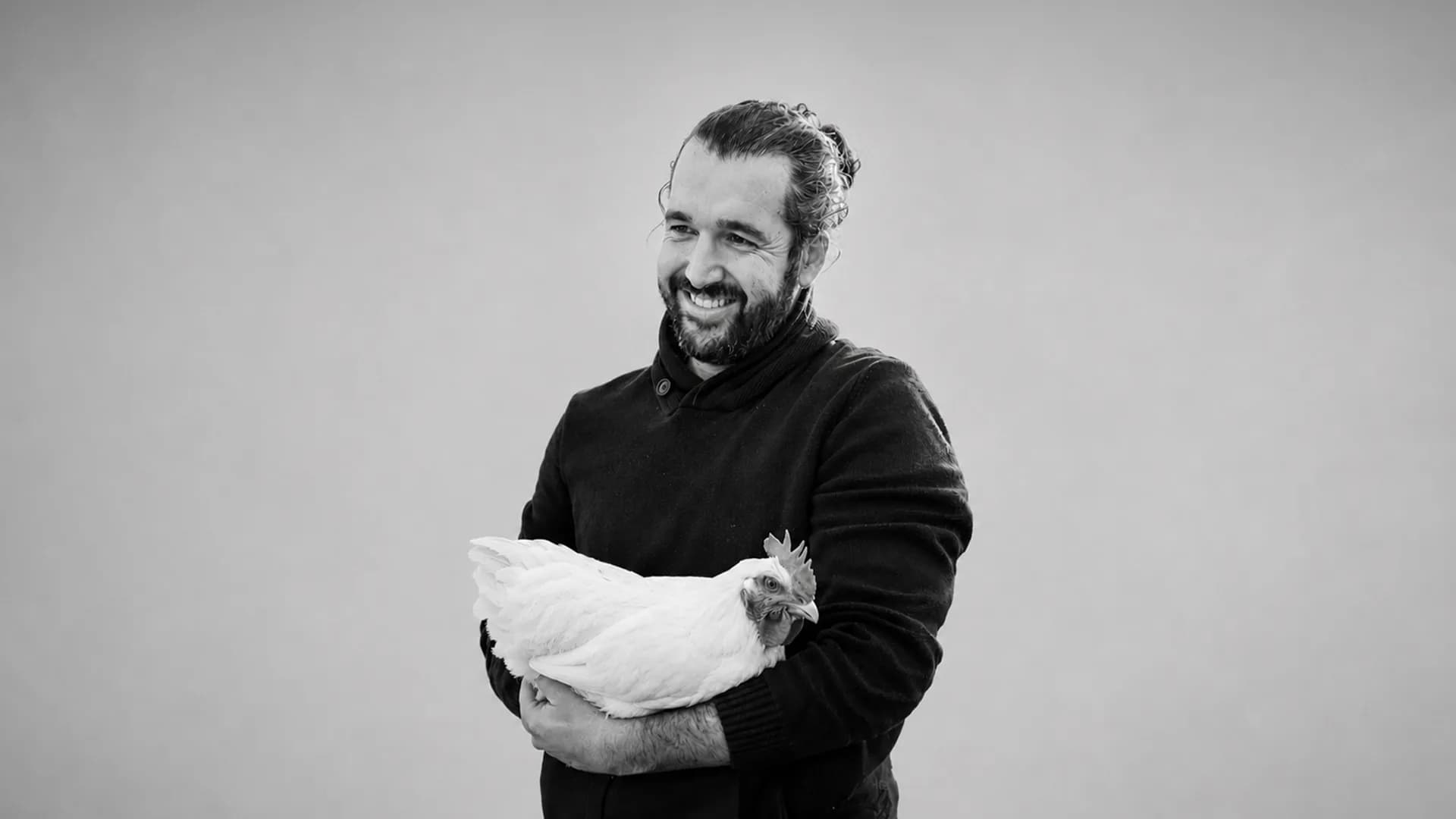
Why Regenerative Livestock Farming Could Be the Future of Agriculture?
José Luis García de Castro is 43 years old, a veterinarian by training and founder of Poultree, a regenerative farm in Extremadura that produces pasture-raised chicken and grass-fed beef.
 SpainES
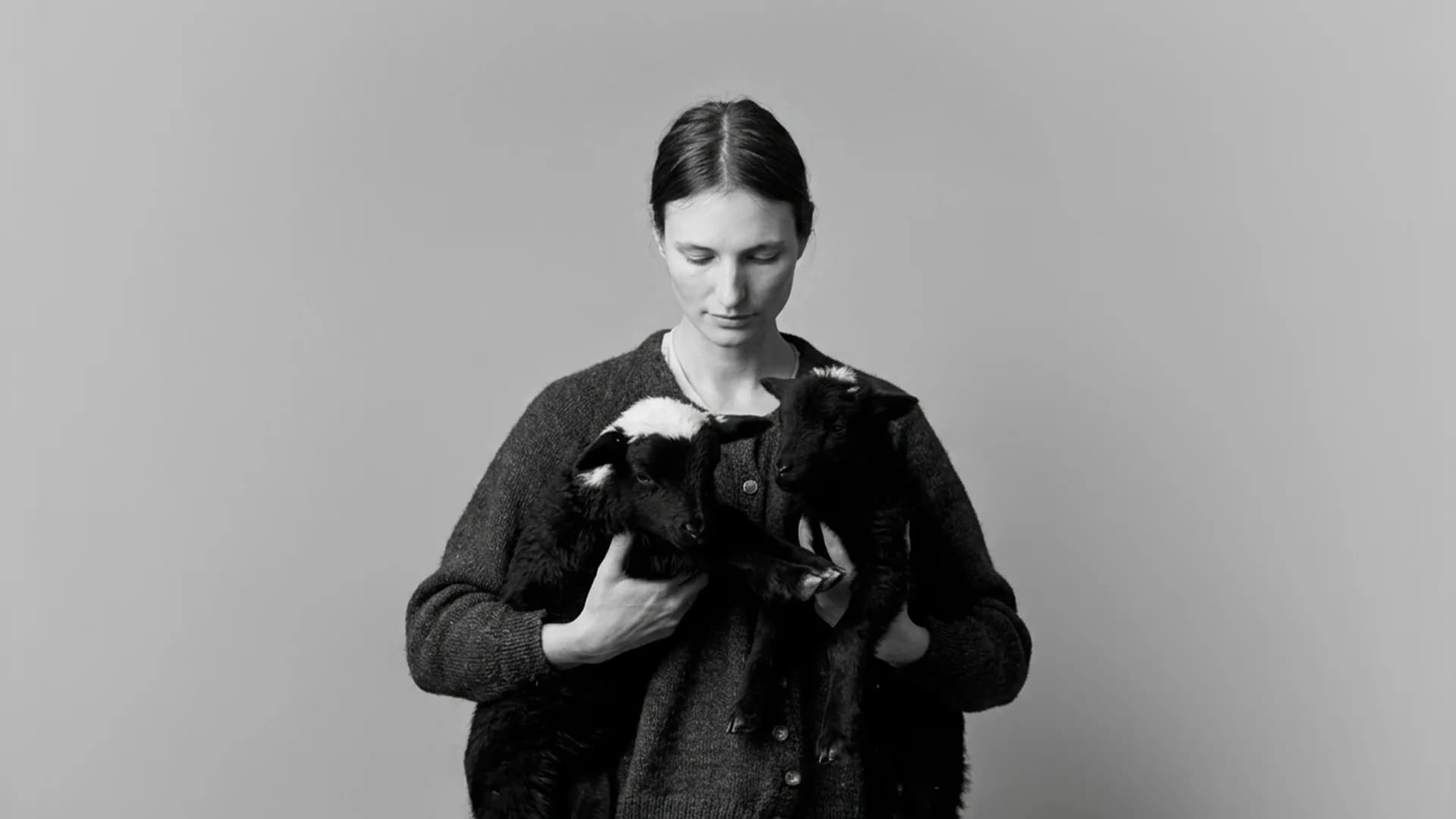
Why the wool from an endangered sheep could be the future of sustainable fashion?
Marina Pérez is 33 years old, from Asturias, and founded La Flor Cerval from Tene, a small village in the Quirós council, where she lives and raises livestock with her family.
 GermanyDE
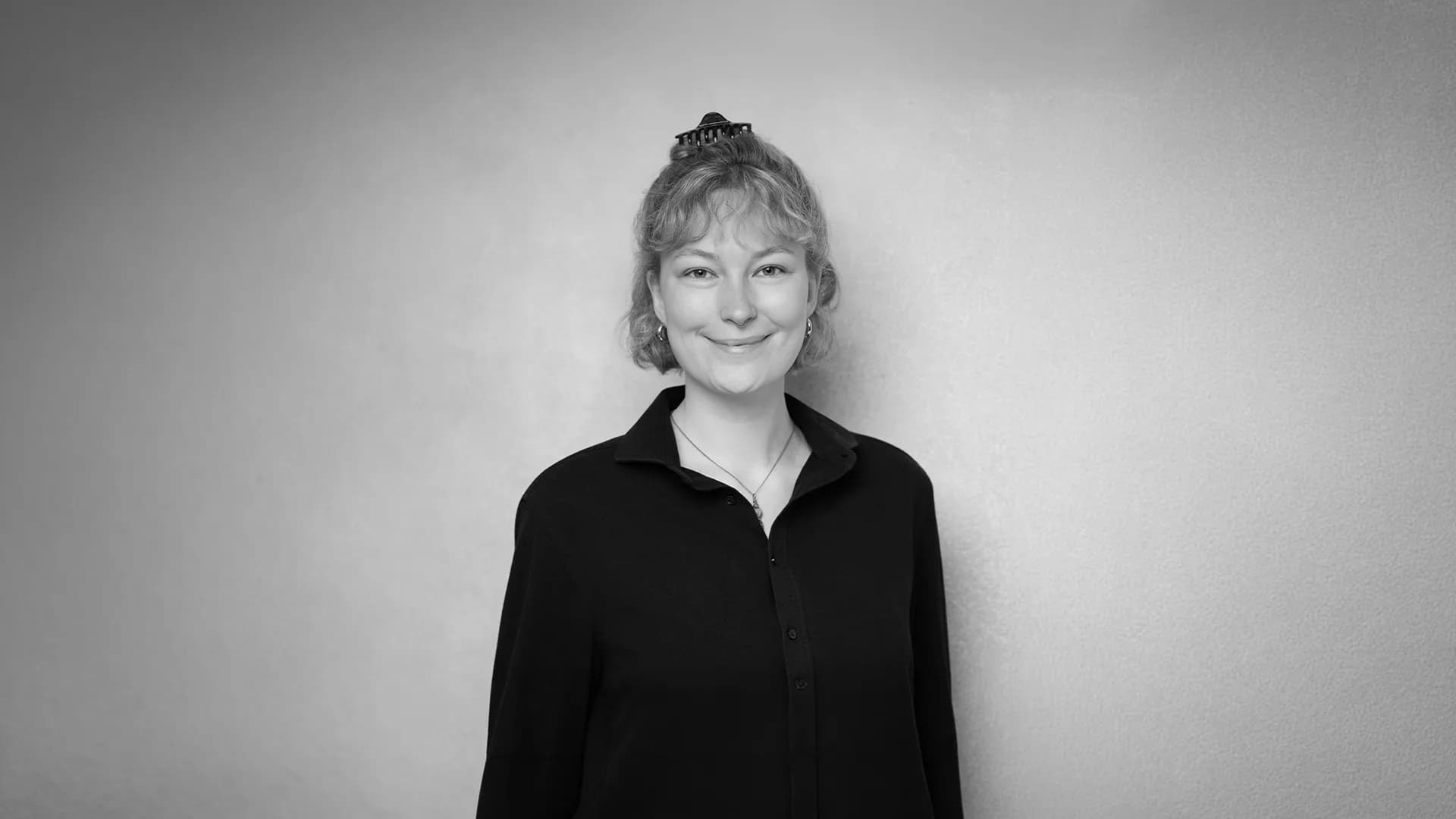
How Can Joint Paving Influence Community Building?
Lioba Huss studies at the University of Social Design, co-founded the paving project in 2025, and is now part of the operational project management of the competition.
 SpainES
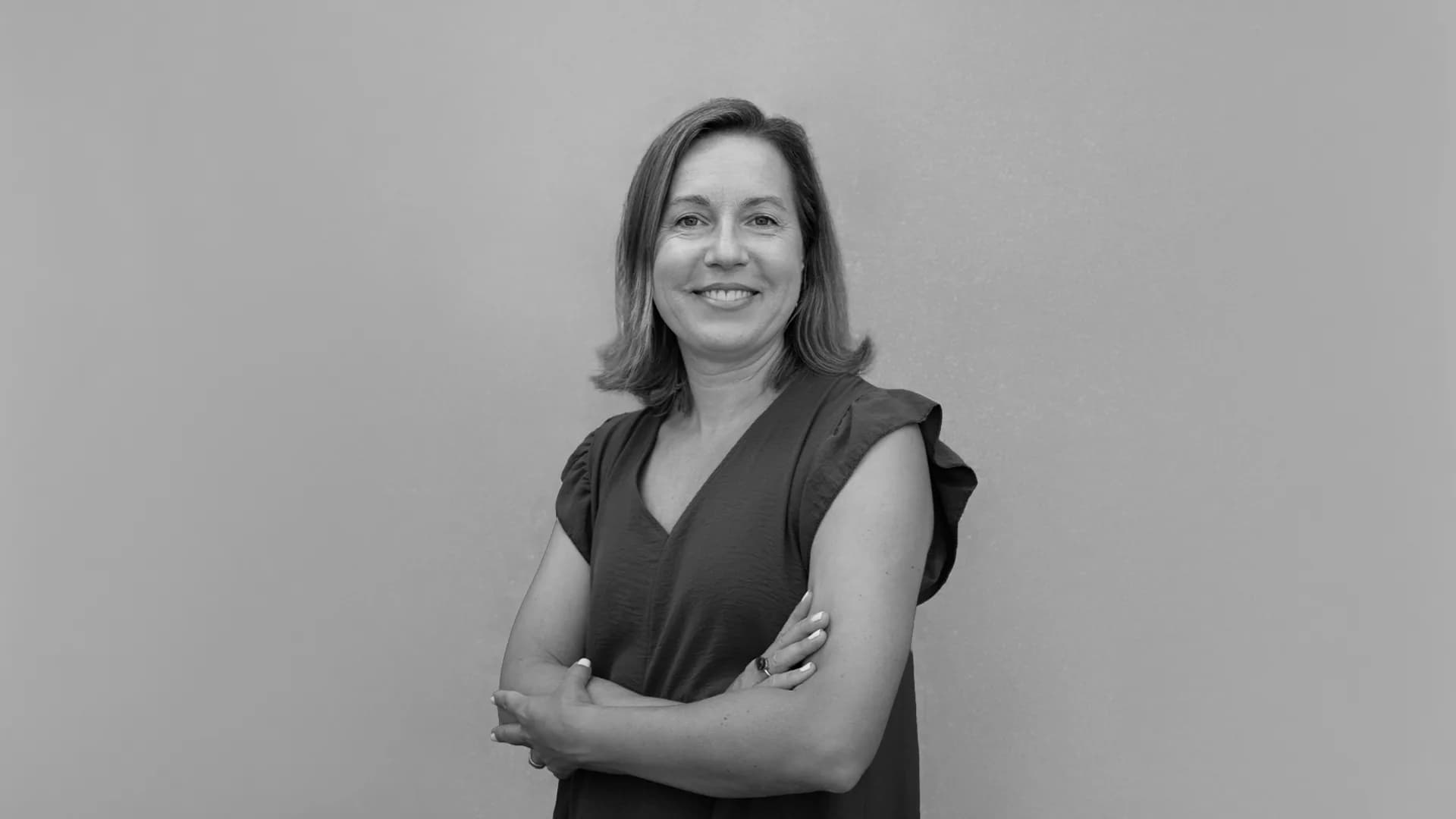
Why do women invest 40% less than men and how to change it?
Lena Perepelova is the founder of Women Investors Club, a financial education community created to help European women overcome their fear of investing and take control of their economic future.
 GermanyDE
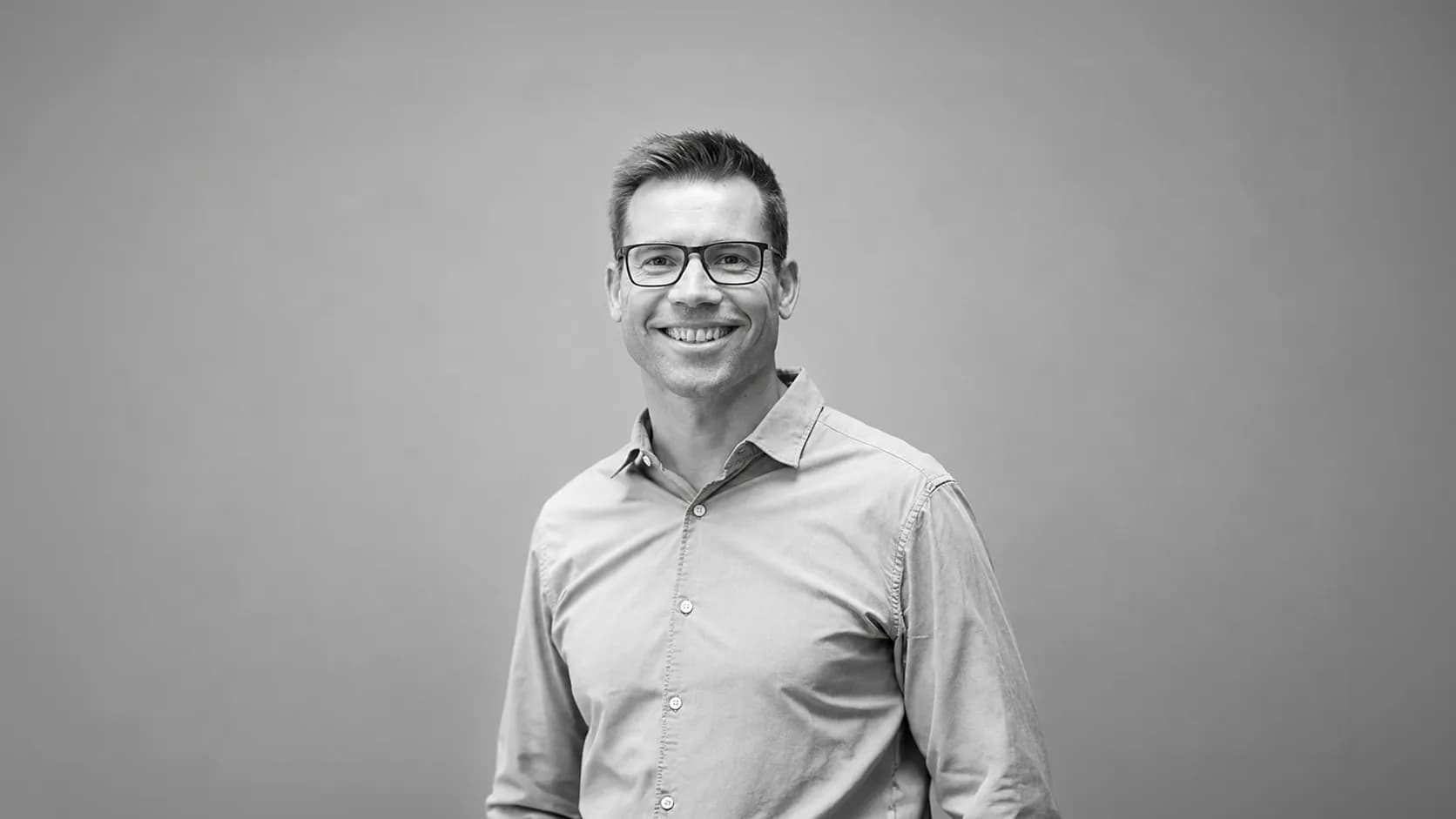
Why is a social IT company more successful than others?
CEO Daniel Büchle leads afb social & Green IT, a social IT company. The non-profit GmbH refurbishes hardware for secondary and partially tertiary use.
 United KingdomEN
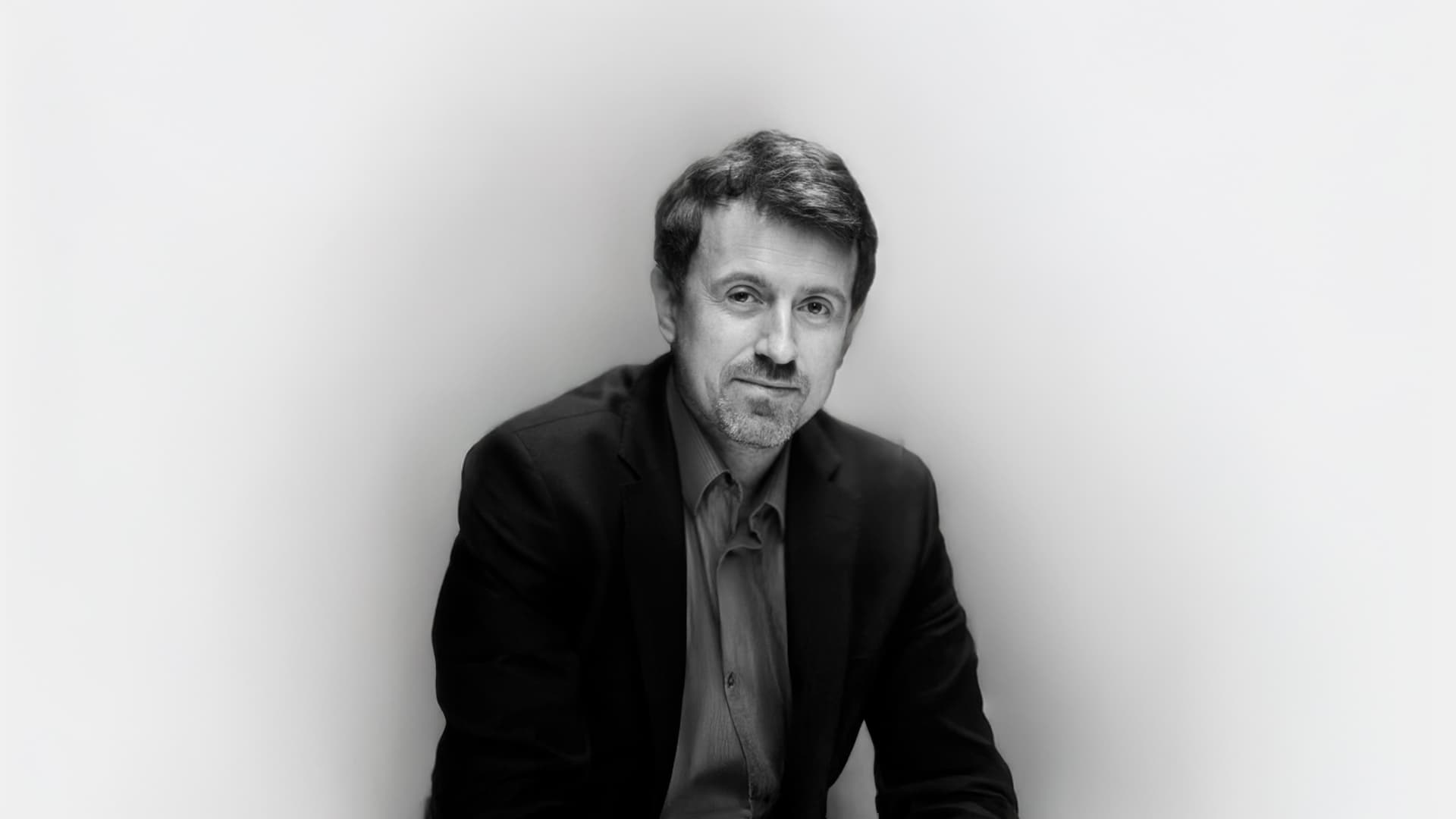
[Rebroadcast] Why is tuning into a radio station airing 100% positive news so critical to our mental wellbeing?
Feeling crushed by the avalanche of awful news emanating from your radio, TV or phone? You’re not alone. Research has shown that exposure to bad news has a profound effect on our mental health. But there is an alternative. Airzen Radio, set up in France in 2021, is a radio station whose output is 100% positive. Christophe Duhamel is its director of digital operations.
 SpainES
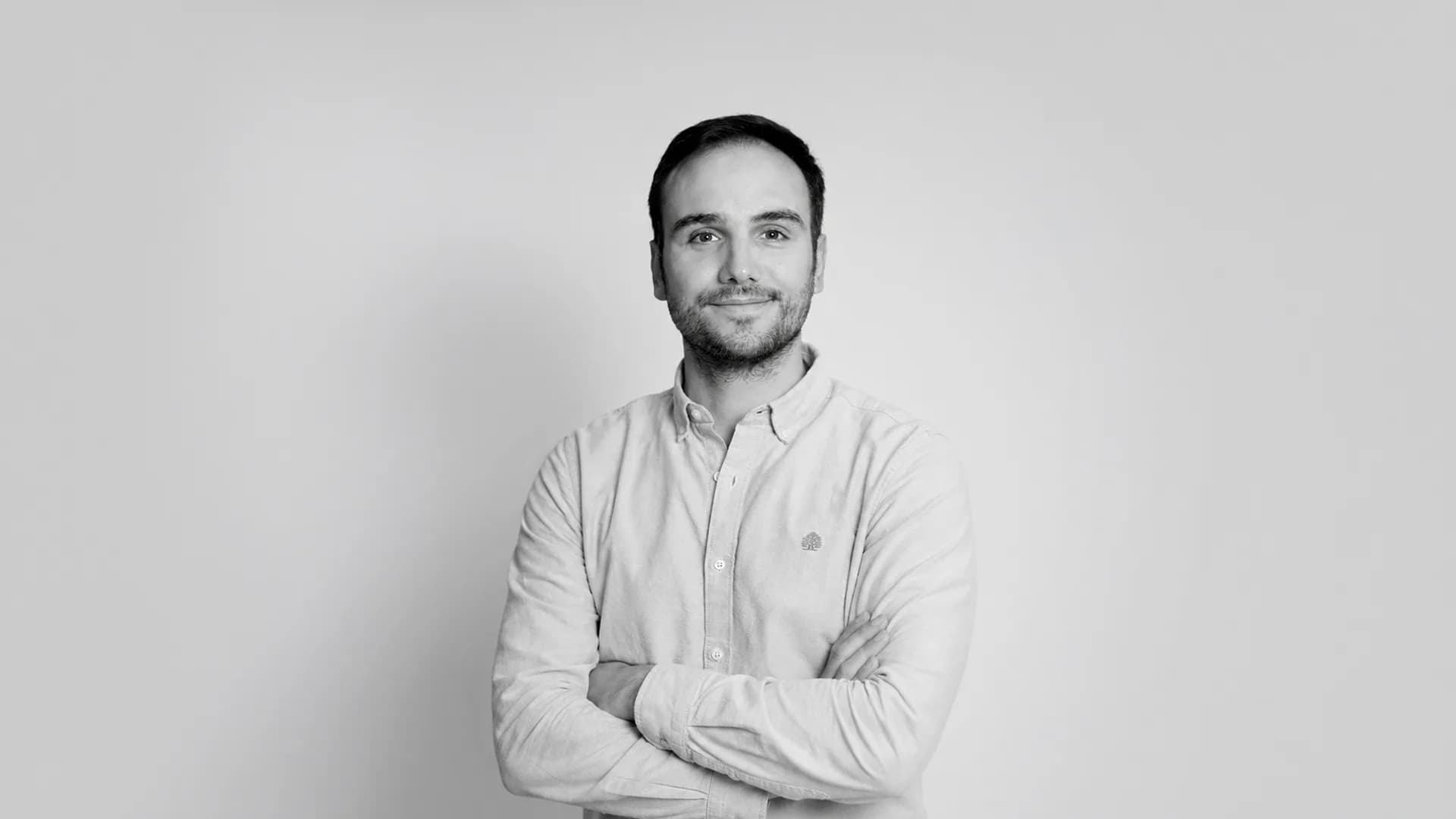
Why Technology Should Adapt to Older Adults and Not the Other Way Around?
Antonio González-Adalid is a neuropsychologist by training and co-founder of Coti, an app designed to help older adults communicate easily and safely with their family and friends.
 SpainES
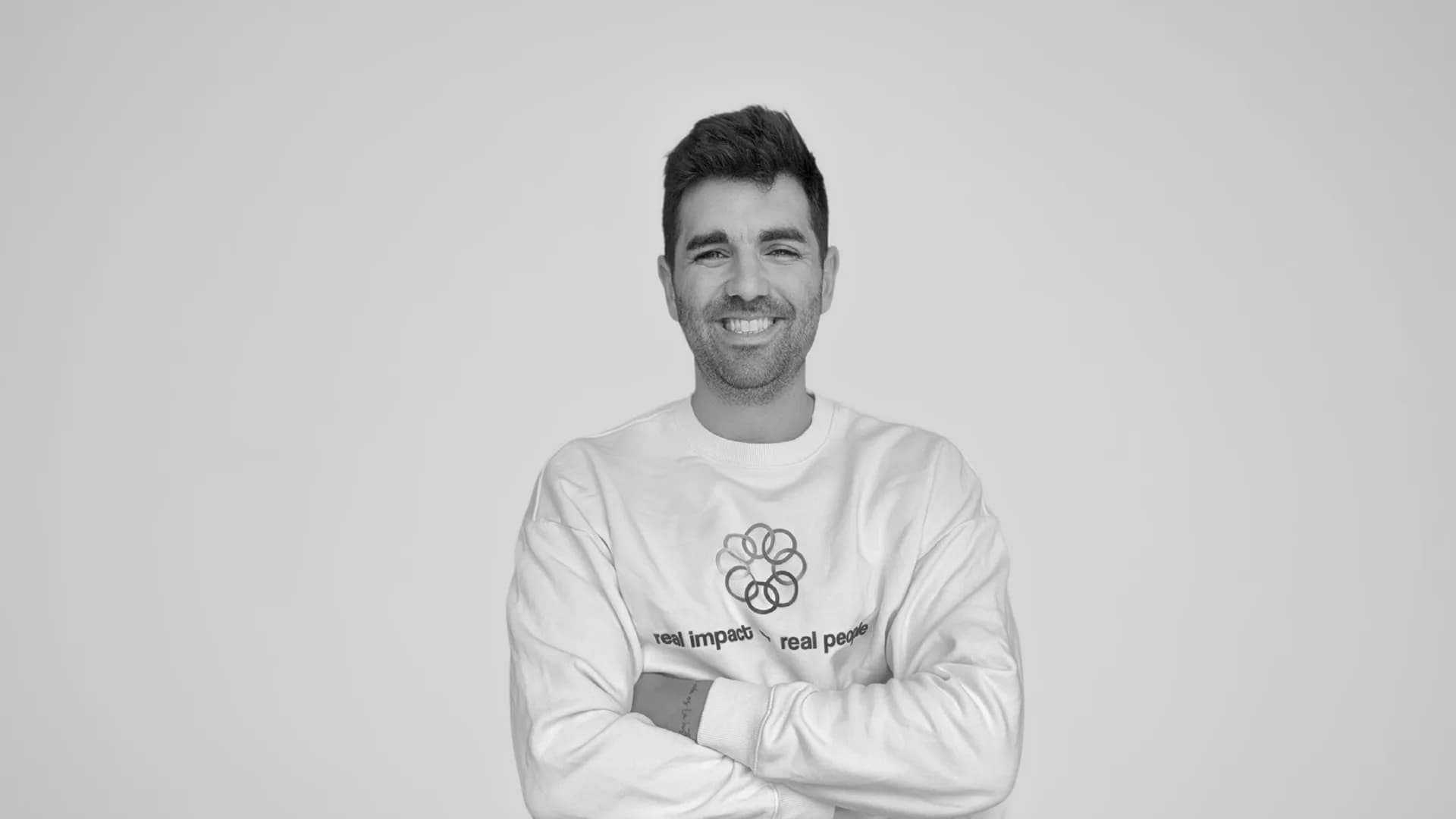
Why Social Entrepreneurship Deserves Its Own World Cup?
Tomás Garnelo is 30 years old, from Galicia, and co-founder of Impact Social Cup, the largest social entrepreneurship competition in Spain, which in its latest edition gathered three thousand people at the Madrid Arena and distributed 100,000 euros in prizes.
 GermanyDE
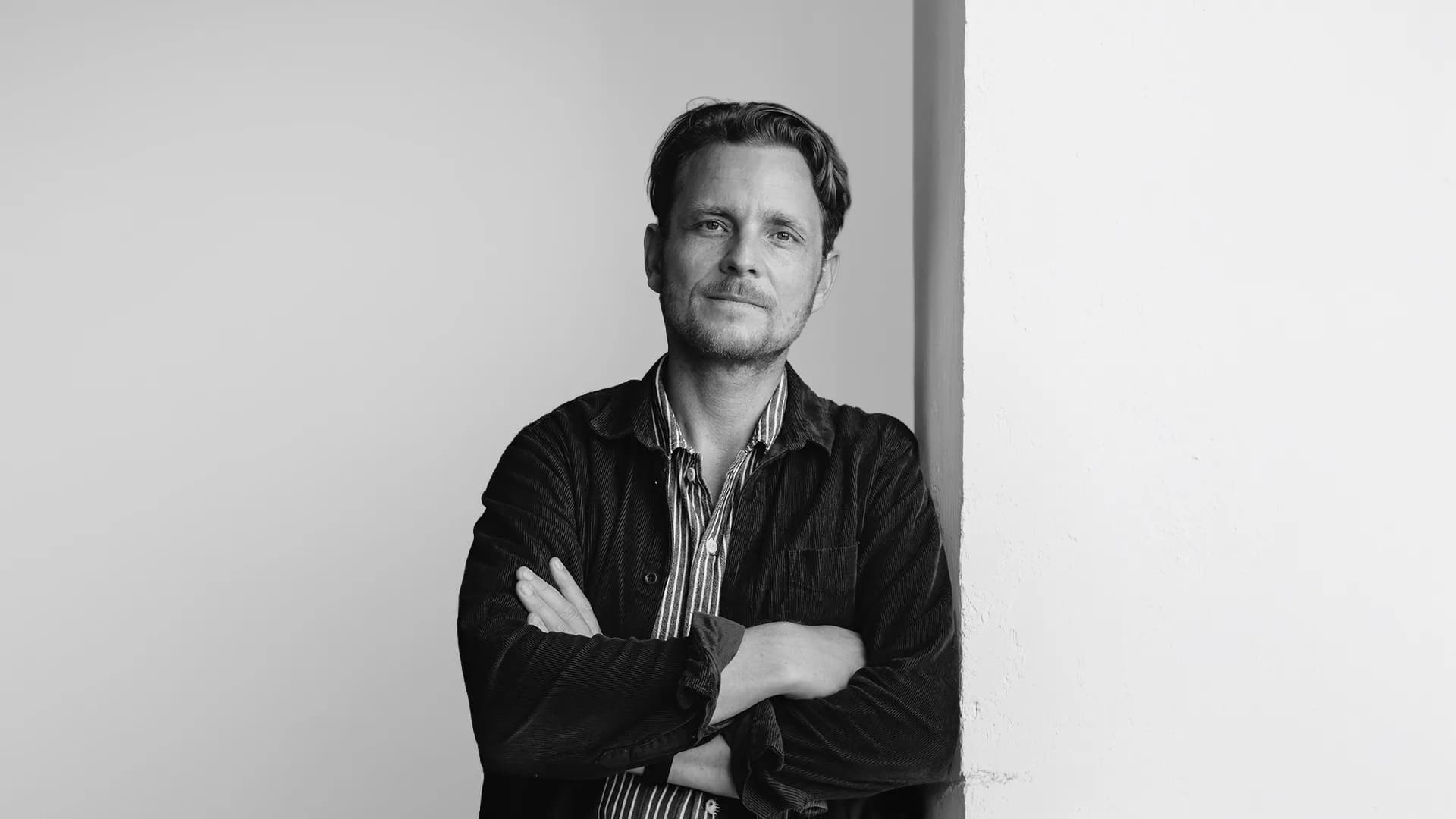
Why does people-oriented work protect the planet?
Sebastian Klein, co-founder of the magazine Neue Narrative, believes that people-oriented work should take precedence over profit. This way, both workers and the planet are protected.
 United KingdomEN
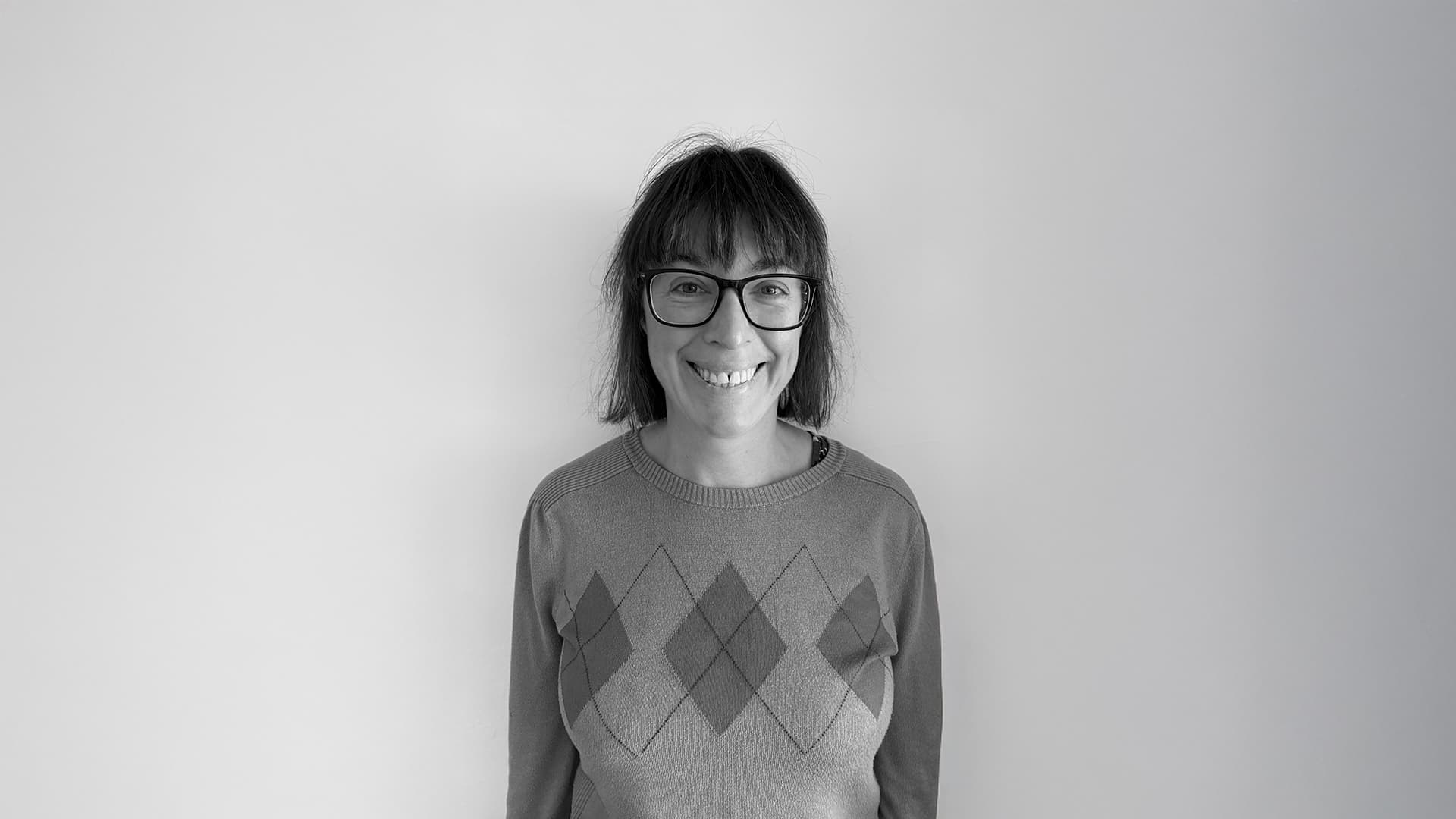
[Rebroadcast] How did a simple but brilliant idea tackle loneliness and isolation in the UK?
With the digital world erasing more and more opportunities for face-to-face interaction, loneliness and isolation are on the rise. Researchers have sounded the alarm over risks they pose to our health. Now, a simple but brilliant idea developed in the UK offers a solution. Abi Murray, operations manager of the not-for-profit Chatty Café Scheme, explains.
 United KingdomEN
[Rebroadcast] Why set up an IT developer school in a world full of IT engineering schools?
To make developing more accessible; to empower students; to change the world by changing the apps and websites we all use every day!
 SpainES
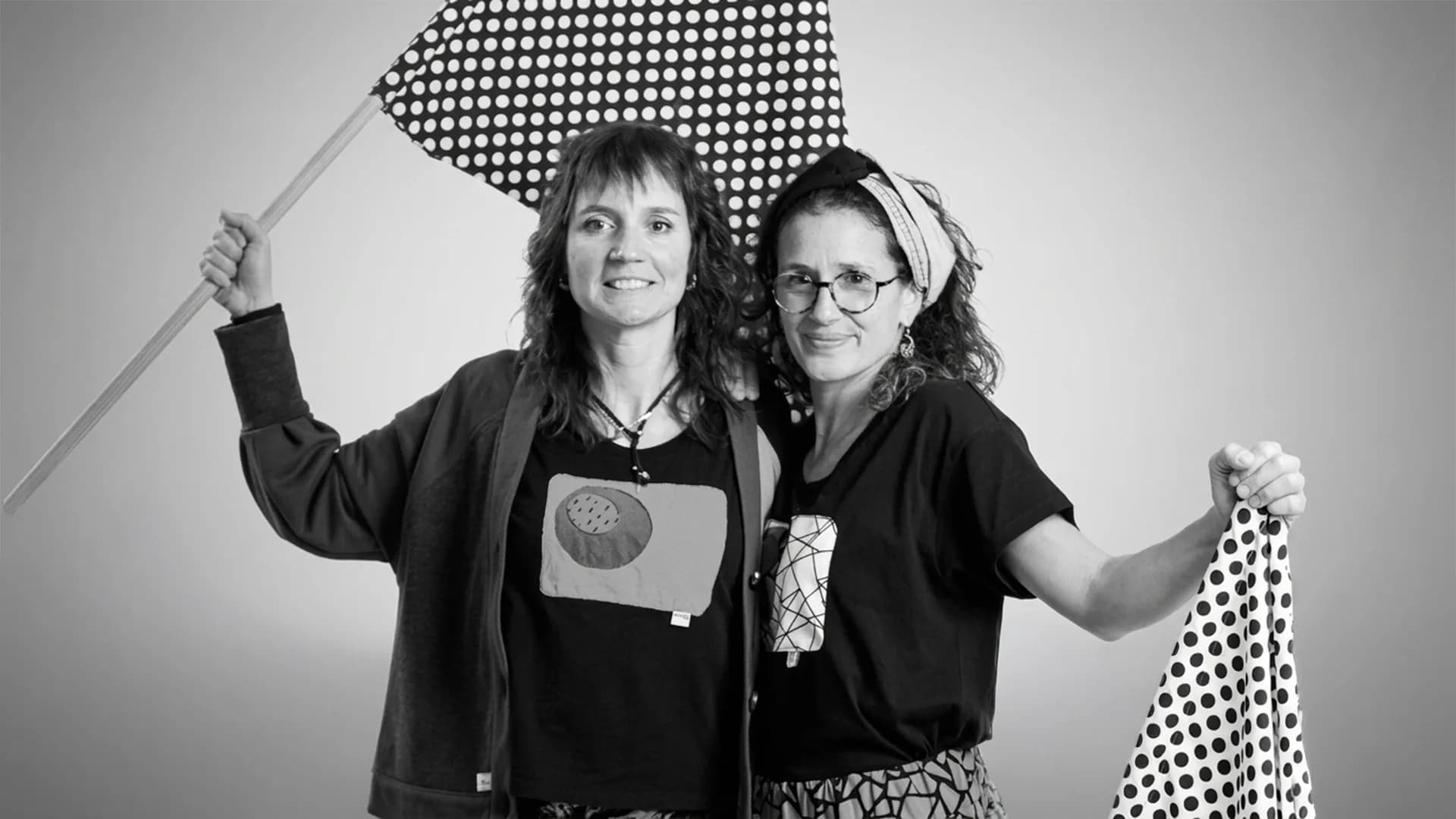
Why Running a Sewing Workshop in a Caravan Can Change the Way We Consume Clothing
Lorena Heras and Roser Giralt co-founded Planeta Dots, a traveling environmental education and textile recycling project that tours Spain in a workshop caravan.
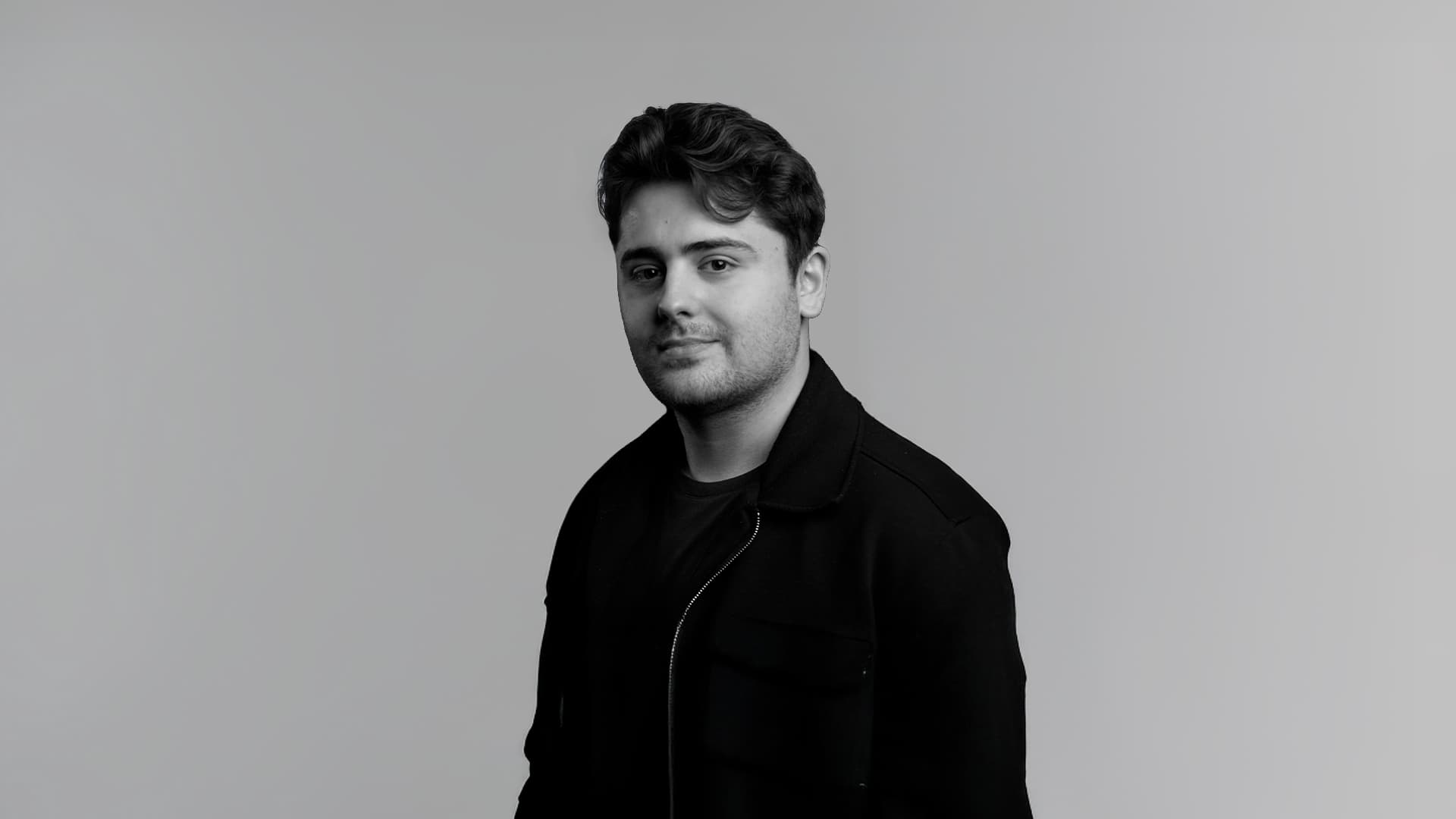 United KingdomEN
[Rebroadcast] Why get kids from low-opportunity backgrounds into top universities?
Oxford University states that the creation of the iconic PPE degree Joe studied for “arose from the belief that the advanced study of all three subjects would transform students' intellectual lives, to great social benefit.” As you listen to Joe’s story, you will see just how well that plan has worked!
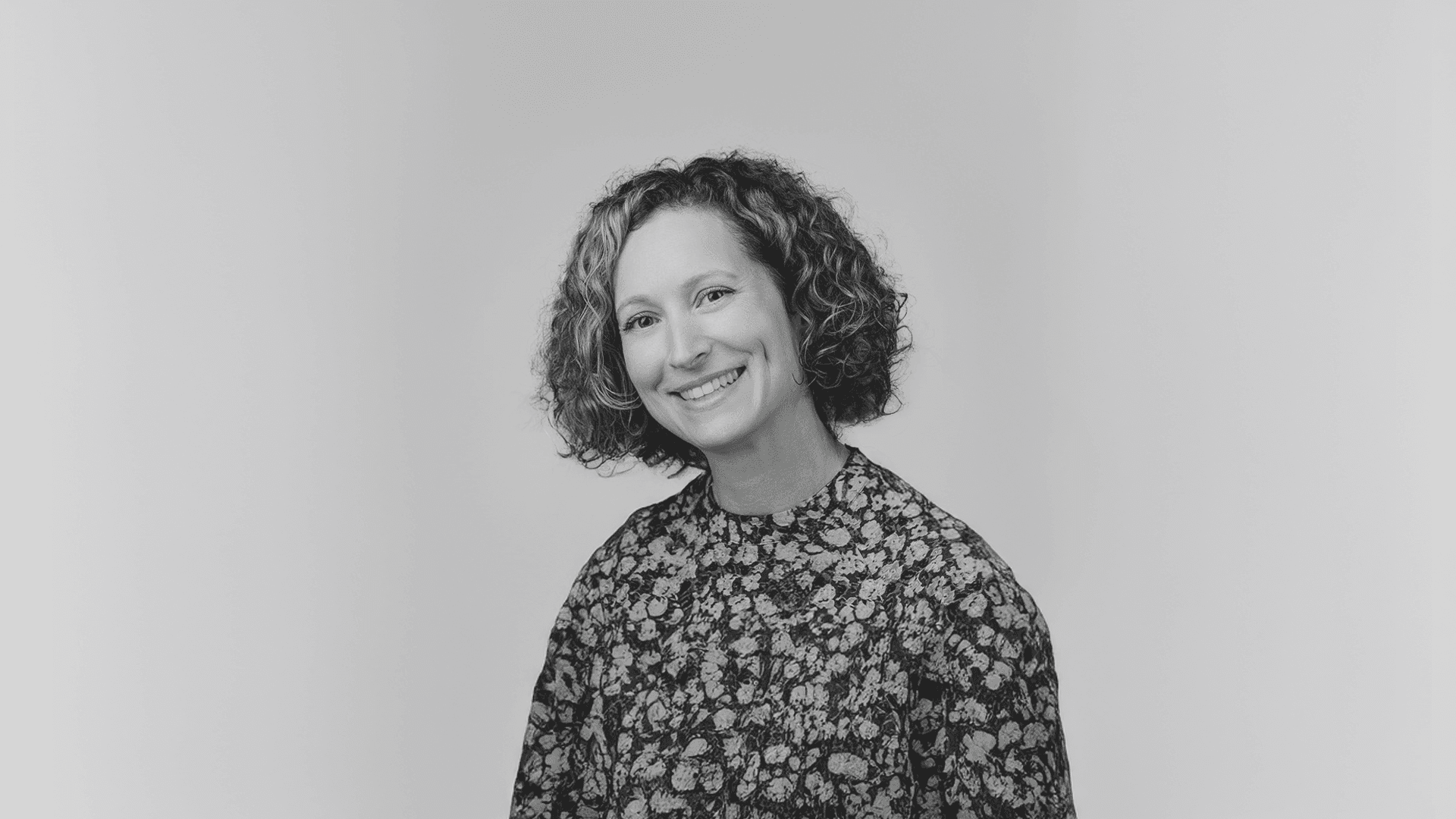 United KingdomEN
[Rebroadcast] Why strive for optimum mental health for all of a company's employees?
Mental health has become a central issue for organisations seeking to build more sustainable workplaces. Anwen Cooper, Mission Director at Thrivall, explores how changing the way companies approach employee wellbeing could contribute to a more sustainable future for both people and organisations.
 SpainES
[Rebroadcast] Why being sustainable requires more than good intentions?
Paula Baldó is an entrepreneur and founder of her own consultancy, which supports companies of all sizes in their sustainable transformation process.
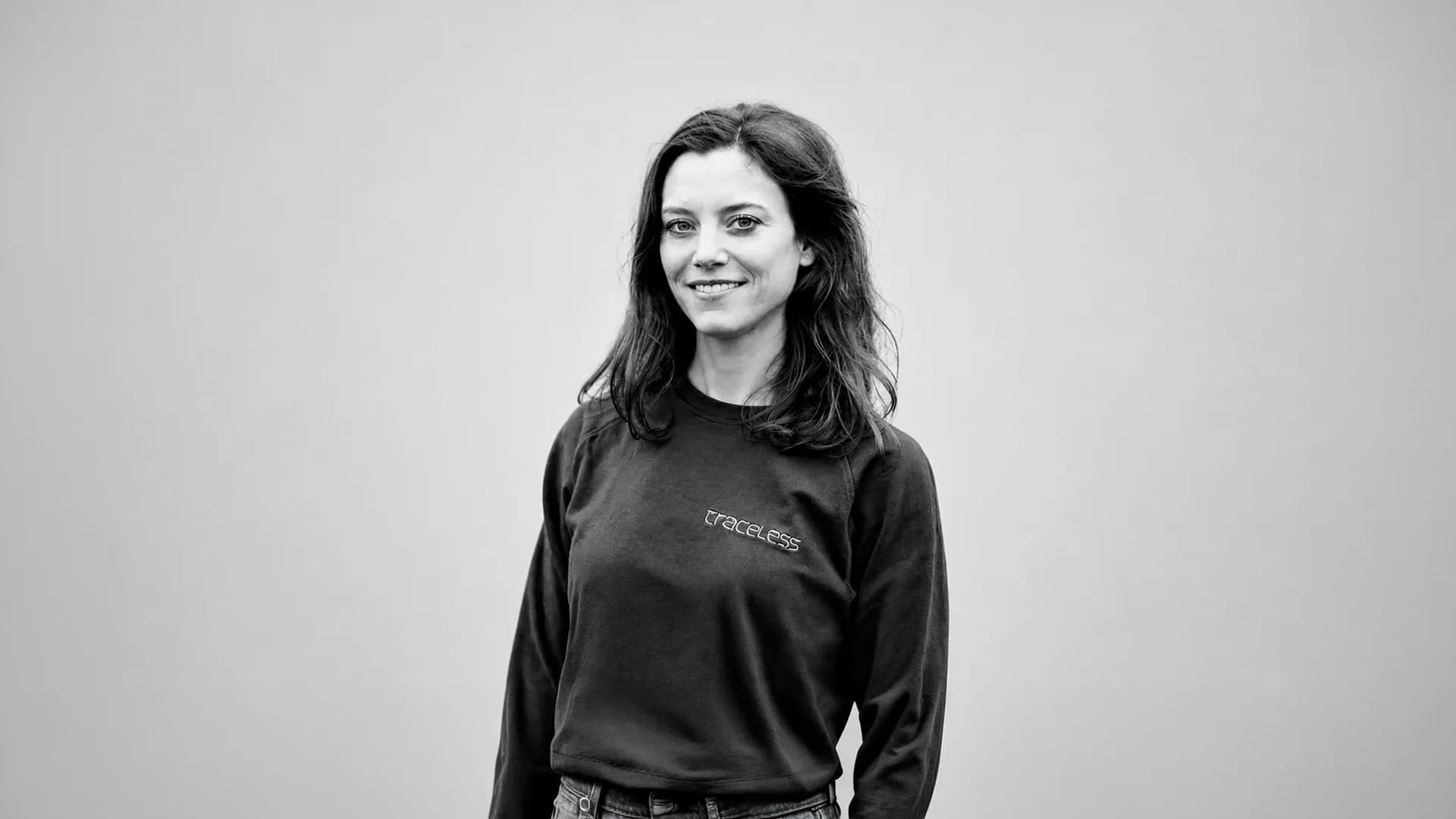 GermanyDE
How can plant residues replace plastic and other plastics?
Corporate communication and sustainability are the areas of responsibility of Isabel Thoma at traceless, a manufacturer of a biomaterial based on natural residues.
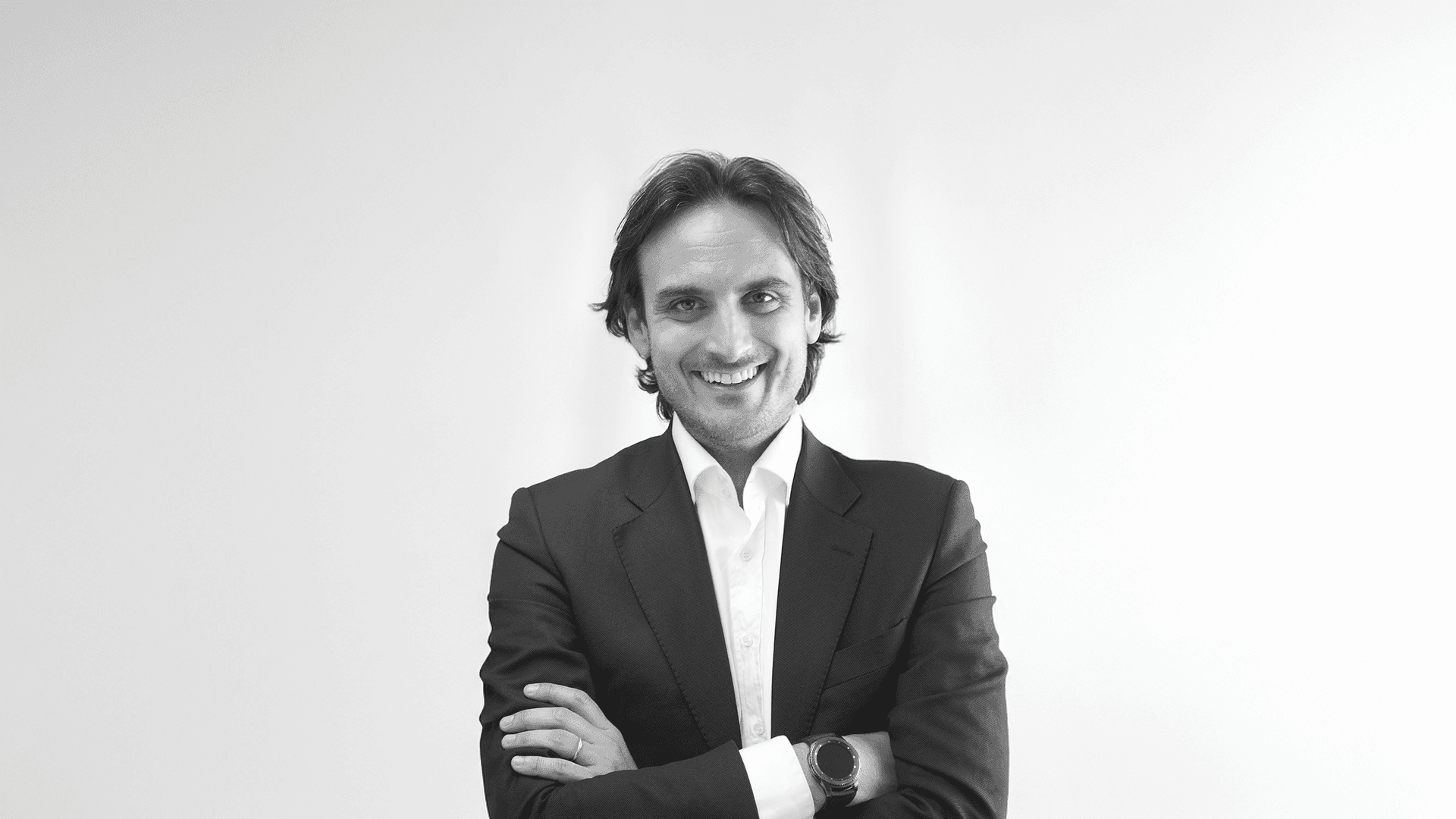 United KingdomEN
[Rebroadcast] Why help people track down the best doctor for their specific ailment?
Finding the right specialist can be a decisive step in a patient’s healthcare journey. Yet navigating a complex healthcare system and accessing the expertise needed is not always straightforward. Top Doctors aims to bridge this gap by making specialist care easier to identify and access, using technology to connect patients with the expertise best suited to their needs.
 SpainES
[Rebroadcast] Why 3D printing can change lives?
Guillermo Gauna-Vivas is the founder of Ayúdame 3D, which creates prosthetics for people in need around the world.
 GermanyDE
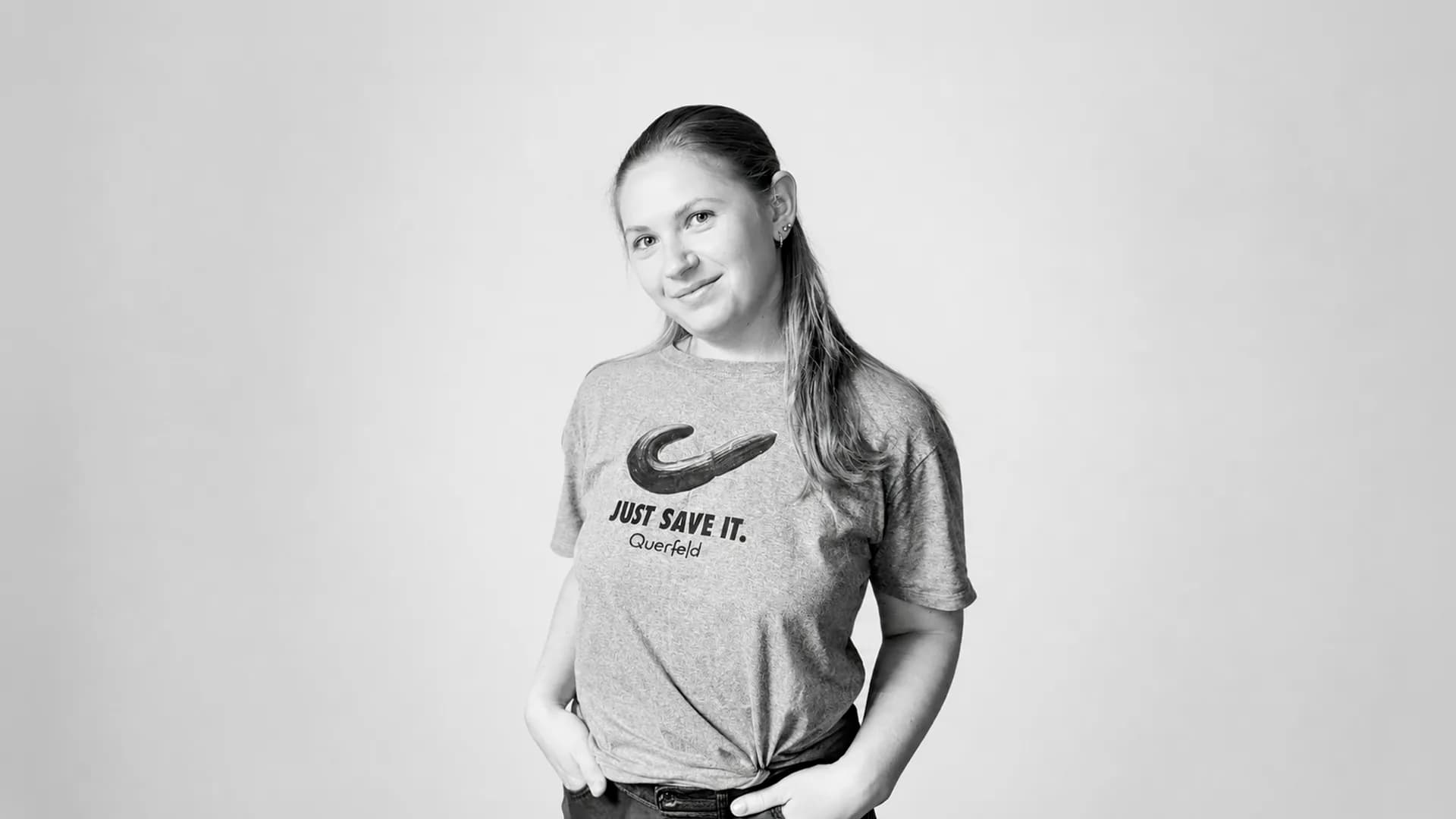
Why is crooked produce worth being utilized?
The founding team missed food appreciation in society, and with Querfeld, that should change. Yana Graf now coordinates Querfeld at Gladrow GmbH, which has taken over the company.
 United KingdomEN
[Rebroadcast] Why focus on money when you’re aiming for impact?
Bristol & Bath Regional Capital is an investment company with a significant difference, summed up in director Jari Moate’s own words: “Money is fuel”. In this case, fuel for wide-ranging positive societal and environmental impact across south-west England.
 United KingdomEN
[Rebroadcast] Why invest instead of saving?
Because money is power and even if you’ve only got 100€ to invest, that’s 100€ of power to wield however you want to.
At citizens’ investment fund LITA, they help people invest in companies developing real-world solutions to ecological and social issues.
 United KingdomEN
[Rebroadcast] Why is directing green investment to the global south the key to promoting climate innovation?
With climate change wreaking havoc around the globe, more investment in climate solutions is urgently needed. That was the motivation behind the Climate Finance Fund, set up in 2021 by Marilyn Waite to push for systemic change in the financial system so that it works for people and planet. Its new mission is to divert funds to the global south, where much climate innovation takes place.
 United KingdomEN
[Rebroadcast] Why learn to love CO2 ?
Mission Zero wears its aim in its name – the company is on a mission, working towards zero emissions of carbon dioxide into the atmosphere. But it’s the method that is revolutionary: Mission Zero focuses on pulling CO2 out of the atmosphere, and turning into some of the stuff we all need and love!
 United KingdomEN
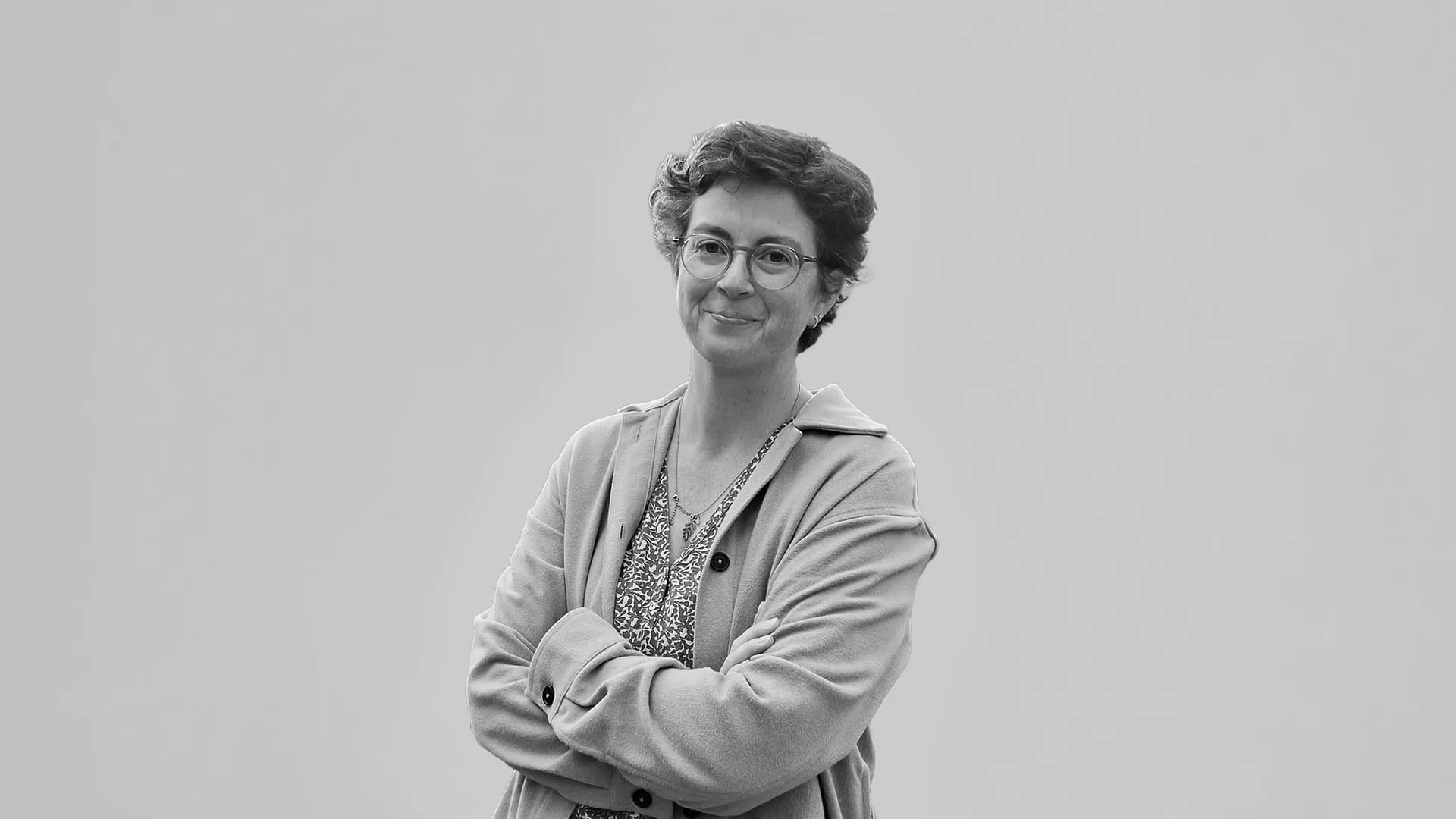
Why get on a boat with strangers when you’re an investor?
Because it gets you out of your normal routine and you can build real trust through shared experience.
 GermanyDE
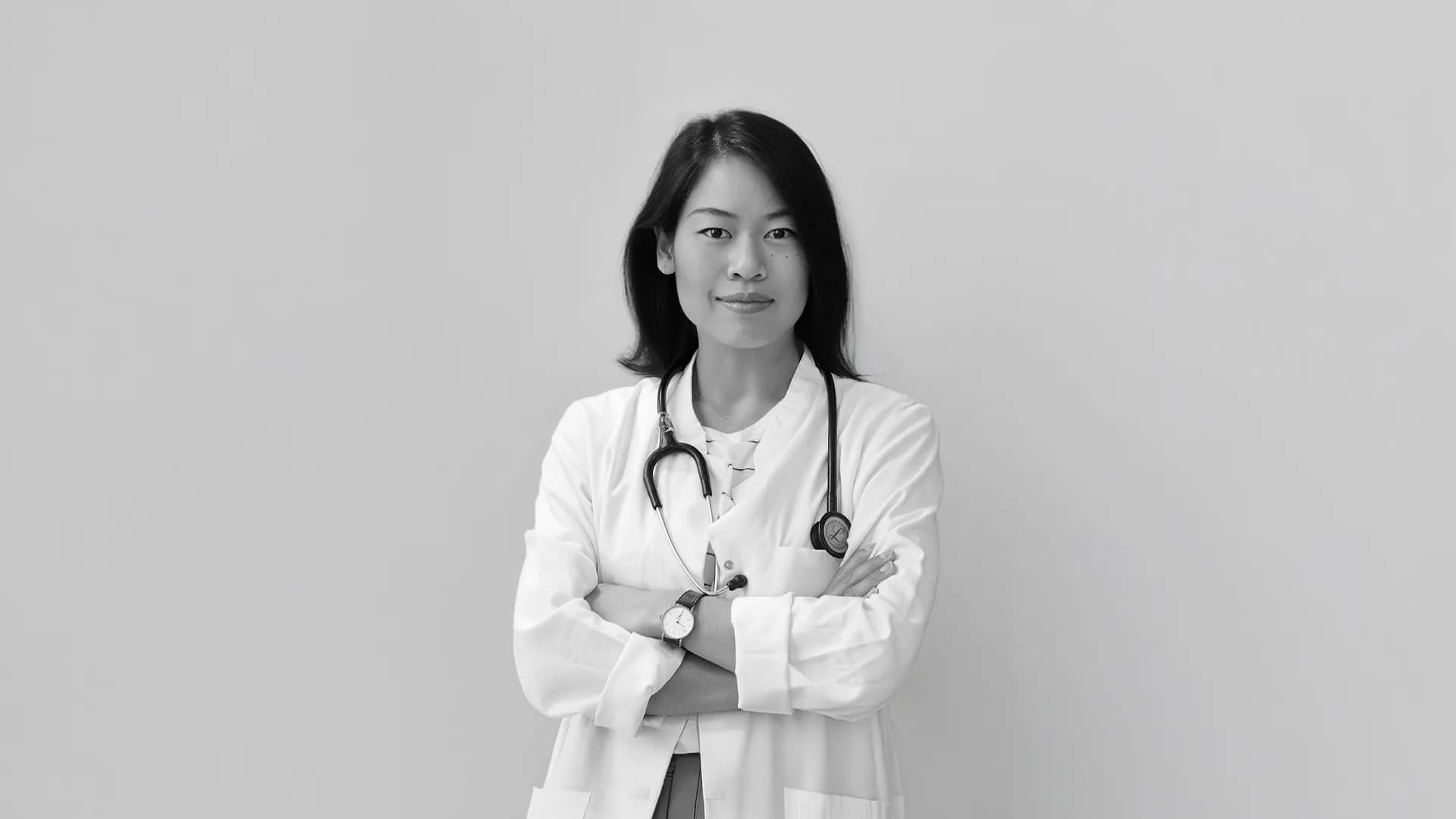
Why does the healthcare system benefit from happy patients?
Dr. Sophie Chung is the founder and CEO of Qunomedical. As a doctor, she understands the challenges of the healthcare system and helps patients, practices, and hospitals with digitalization.
 United KingdomEN
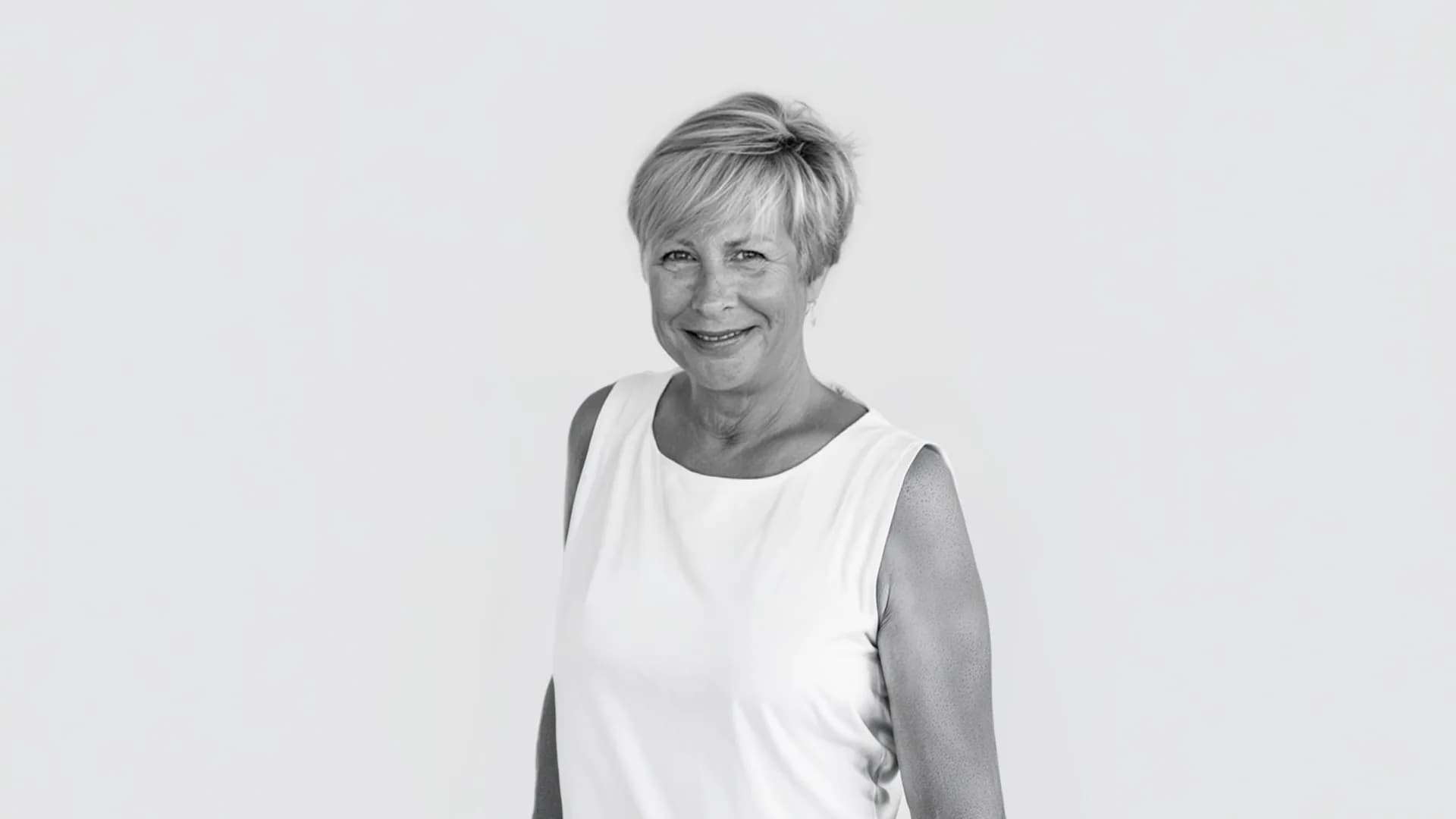
Why employ a disabled person?
Simply because that person may have the exact skillset you need; or because you’re looking for extra resilience, particular determination, or the kind of creativity that comes from dealing with extra challenges every single day…
 GermanyDE
Why is a mixed funding approach from public and private sources more advantageous?
Sebastian Heinrichs is a fund manager at the Welcome Alliance Fund of the organization ProjectTogether. The fund is a funding instrument in the area of arrival and participation.
 GermanyDE
Why Does Vegetable Cultivation in Schools Make Society More Sustainable?
Sara Reichau is a spokesperson for press, PR, and politics at Acker e.V. and advocates for making farming accessible to develop a more sustainable society.
 GermanyDE
Why Do We Need a Bridge Between Society and the Private Sector?
As Head of Public Affairs & Social Responsibility at Generali Deutschland, Patrick Hoffmann is responsible for political and social engagement. He serves as the interface between society and the private sector.
LinkedIn
Engaged voices, every day
We post daily on LinkedIn — founder stories and exclusive podcast excerpts.
Follow usDaily posts · 5,000+ followers
Newsletter
Never miss an episode
Get the latest episodes in your inbox every week.
Newsletter
Ne manquez aucun épisode
Les épisodes dans votre boîte mail, chaque semaine.
Chaque jour sur LinkedIn+5 000 abonnés
Suivez-nous !