
Themes
Themes
Employment
Job insecurity, barriers to entering the workforce, professions undergoing profound change, a loss of purpose and deteriorating working conditions… The world of work is changing rapidly, reshaping career paths and deepening inequalities. As employees’ expectations evolve and new needs emerge, how can we build a more inclusive and fulfilling world of work that gives everyone the opportunity to find their place?
Solidarity
Poverty, social exclusion, isolation, unequal access to culture and essential resources… Despite the many initiatives aimed at helping others, part of the population continues to face difficulties that undermine everyday life and distance people from collective life. At a time when social needs are growing and charities and community organisations often lack resources, how can we strengthen solidarity and develop new ways to tackle inequality?
Finance
Financing the ecological transition, access to financial resources, directing savings and supporting projects serving the public good… Finance plays a decisive role in shaping society, yet capital does not always flow towards projects addressing major social and environmental challenges. How can we transform financial systems and mobilise money in support of a more responsible, inclusive and sustainable economy?
Climate
Climate disruption, biodiversity loss, the depletion of natural resources, pollution and mounting waste… Our patterns of production, consumption and travel are placing increasing pressure on ecosystems and the conditions for life on Earth. Yet the ecological transition continues to face economic, social and cultural barriers. How can we transform our models to reduce our environmental footprint while building a more sustainable and equitable society?
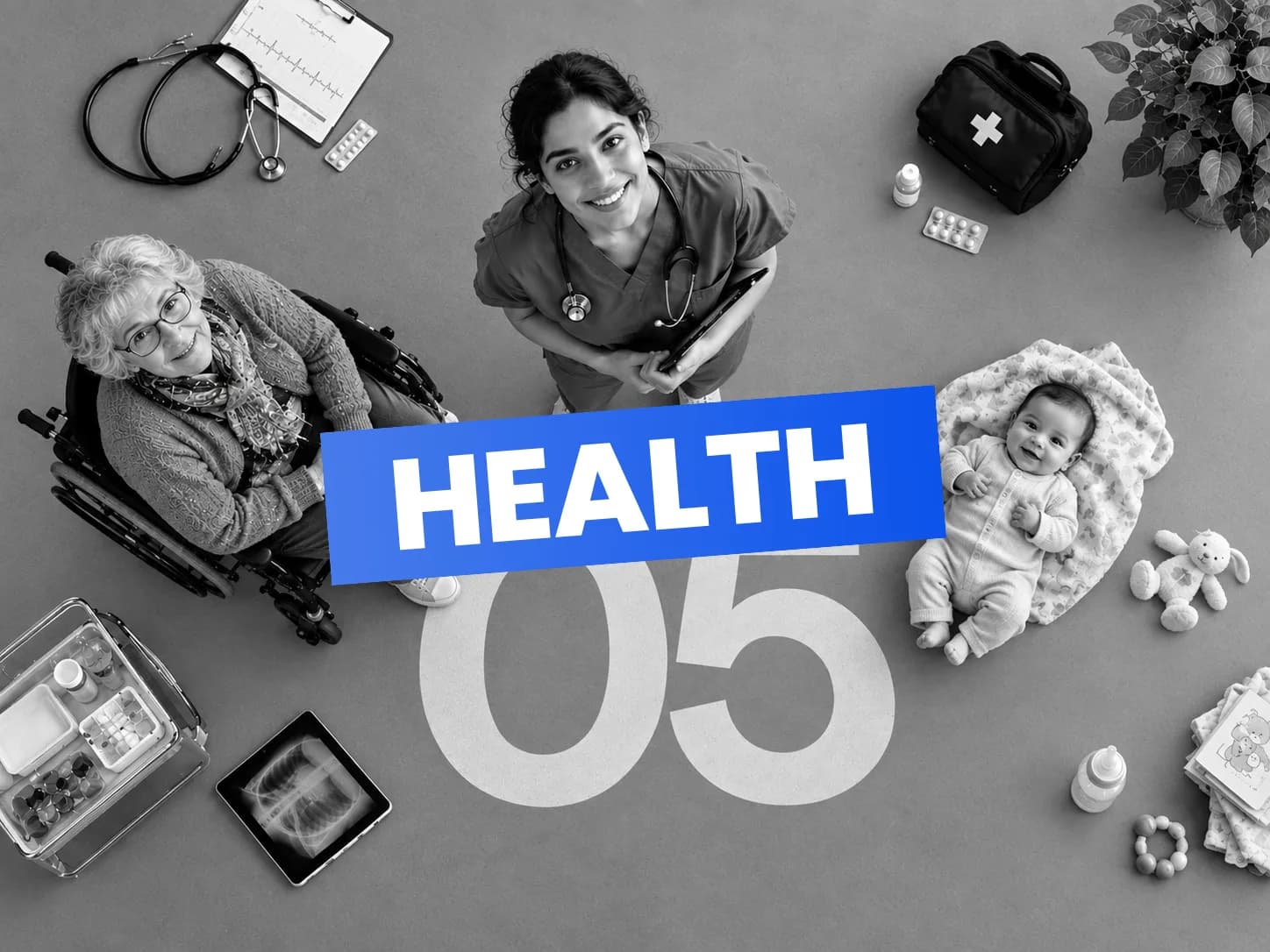
Health
Healthcare deserts, inequalities in access to care, the rise of chronic diseases, growing mental health challenges and an ageing population… Health has become a major societal challenge, calling into question our collective ability to prevent illness, support the most vulnerable and guarantee everyone the right to live in good health.
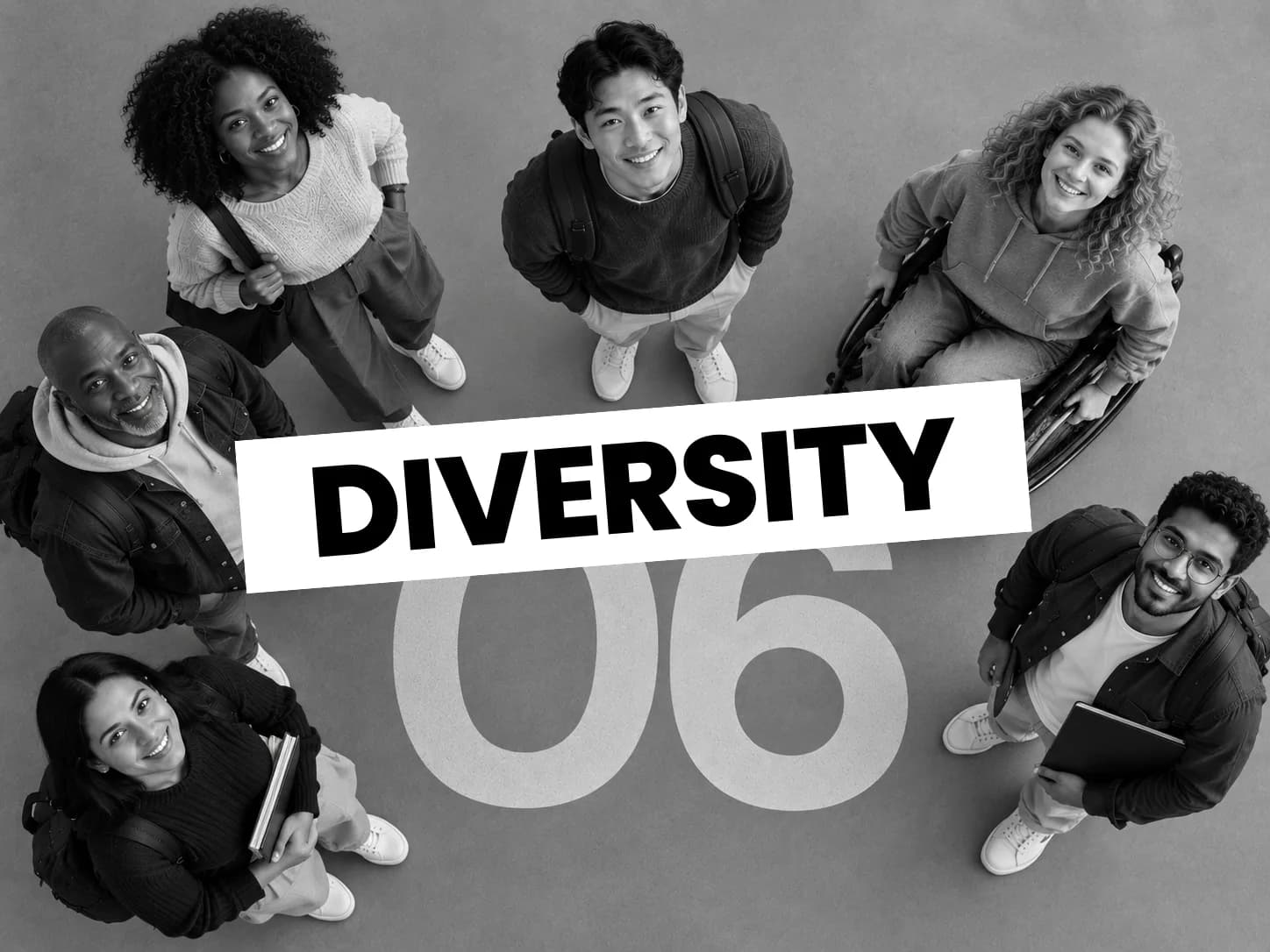
Diversity
Discrimination based on ethnic or social background, gender, age or disability; barriers to the inclusion of refugees; underrepresentation and lack of accessibility… Despite progress, many people still face obstacles that restrict their opportunities and their participation in society. Differences are still too often a source of exclusion rather than collective strength. How can we build a truly inclusive society in which everyone’s rights, abilities and individuality are recognised?
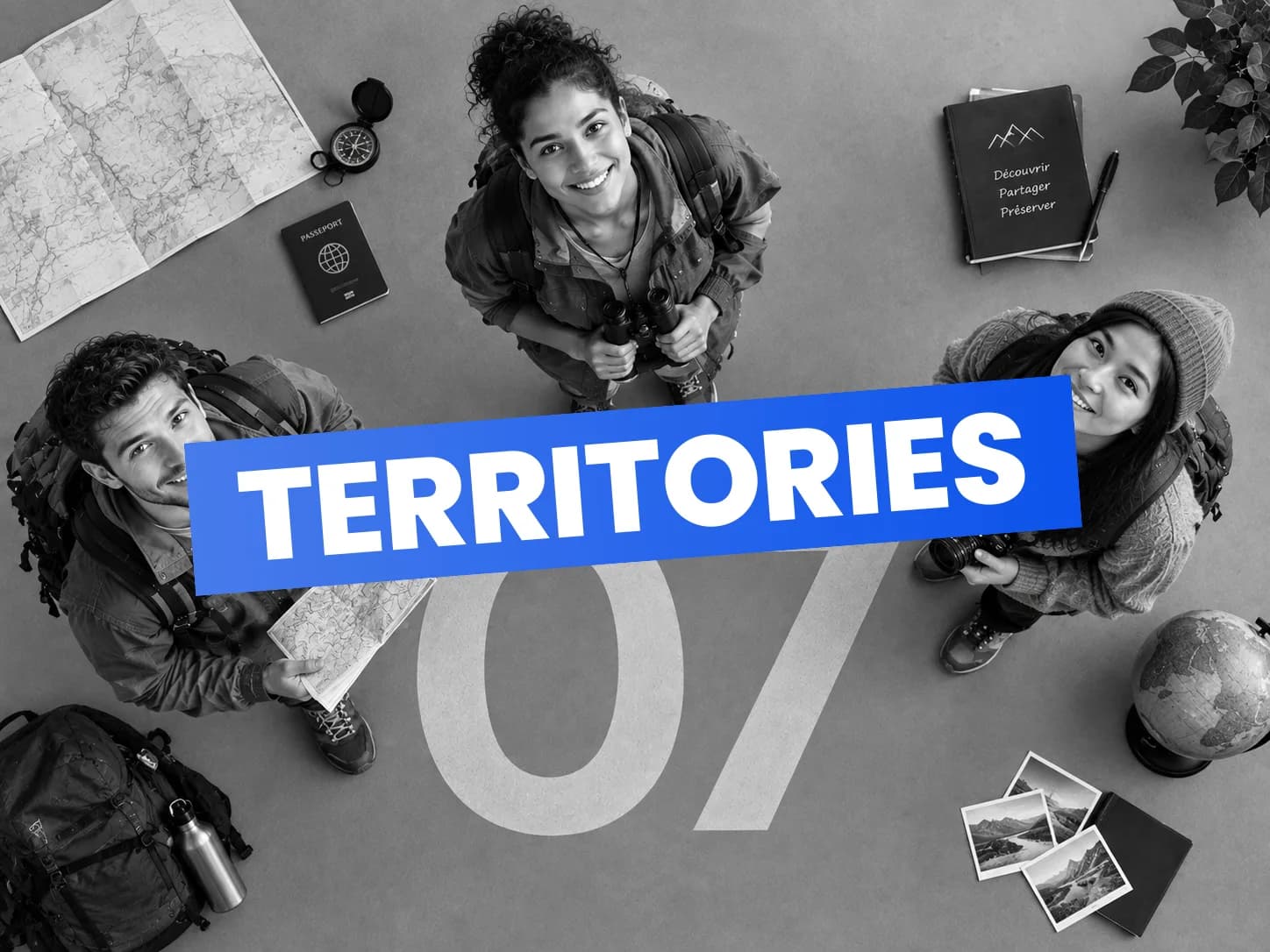
Territories
Declining town centres, struggling local businesses, limited mobility, unequal access to public services and housing… Where people live still has a major impact on their ability to get around, work, access healthcare or start a business. Faced with growing regional inequalities and changing ways of life, how can we rethink our cities, towns, villages and neighbourhoods to make them more vibrant, accessible, supportive and sustainable places to live?
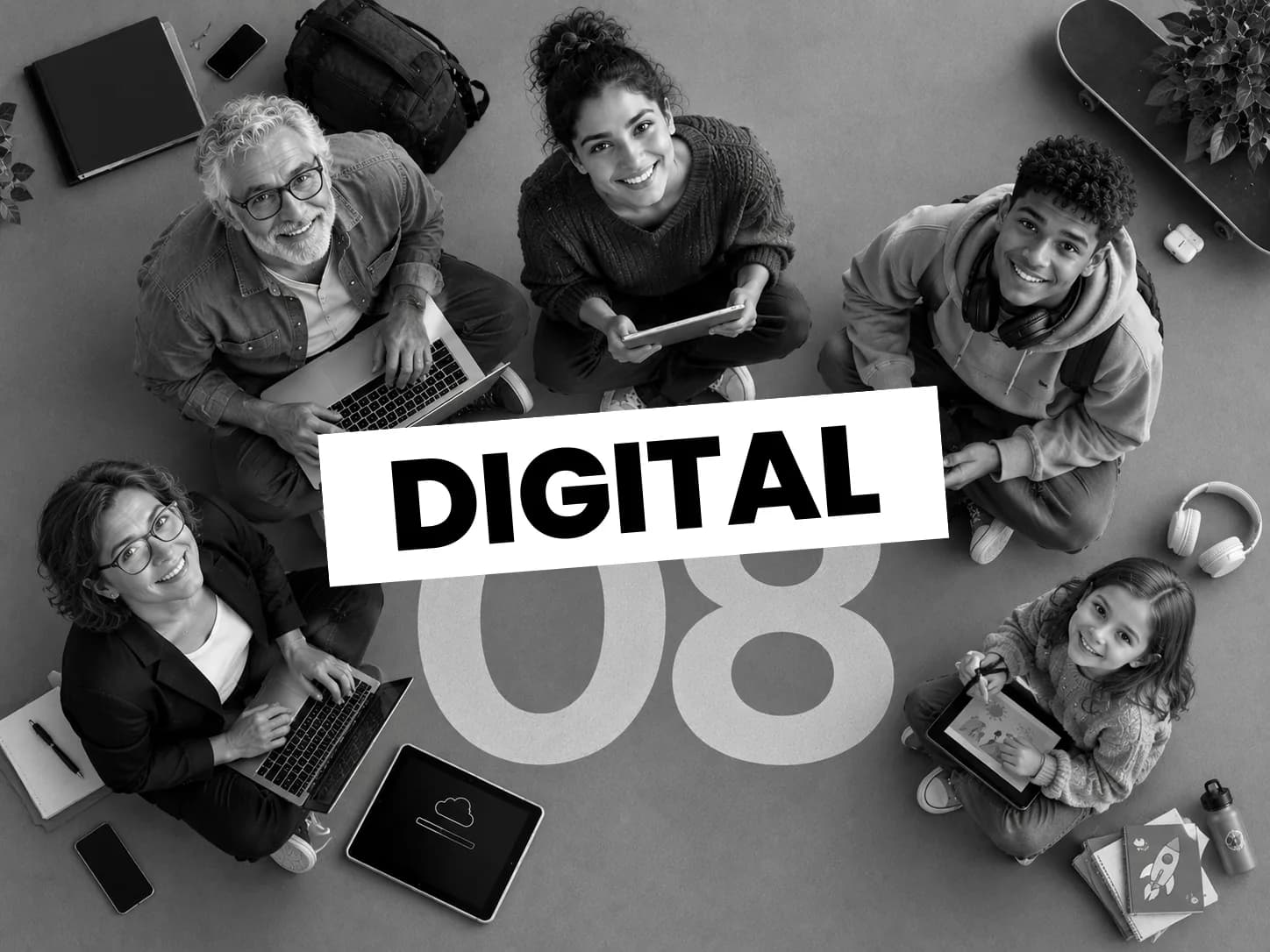
Digital
The digital divide, difficulties with online administrative services, dependence on major platforms, misinformation and personal data protection… Digital transformation is reshaping everyday life, relationships and access to services, but its benefits are not shared equally. The rise of artificial intelligence also raises new questions about the role of people and the uses of technology. How can we ensure that digital technologies remain accessible to everyone and serve society’s needs?
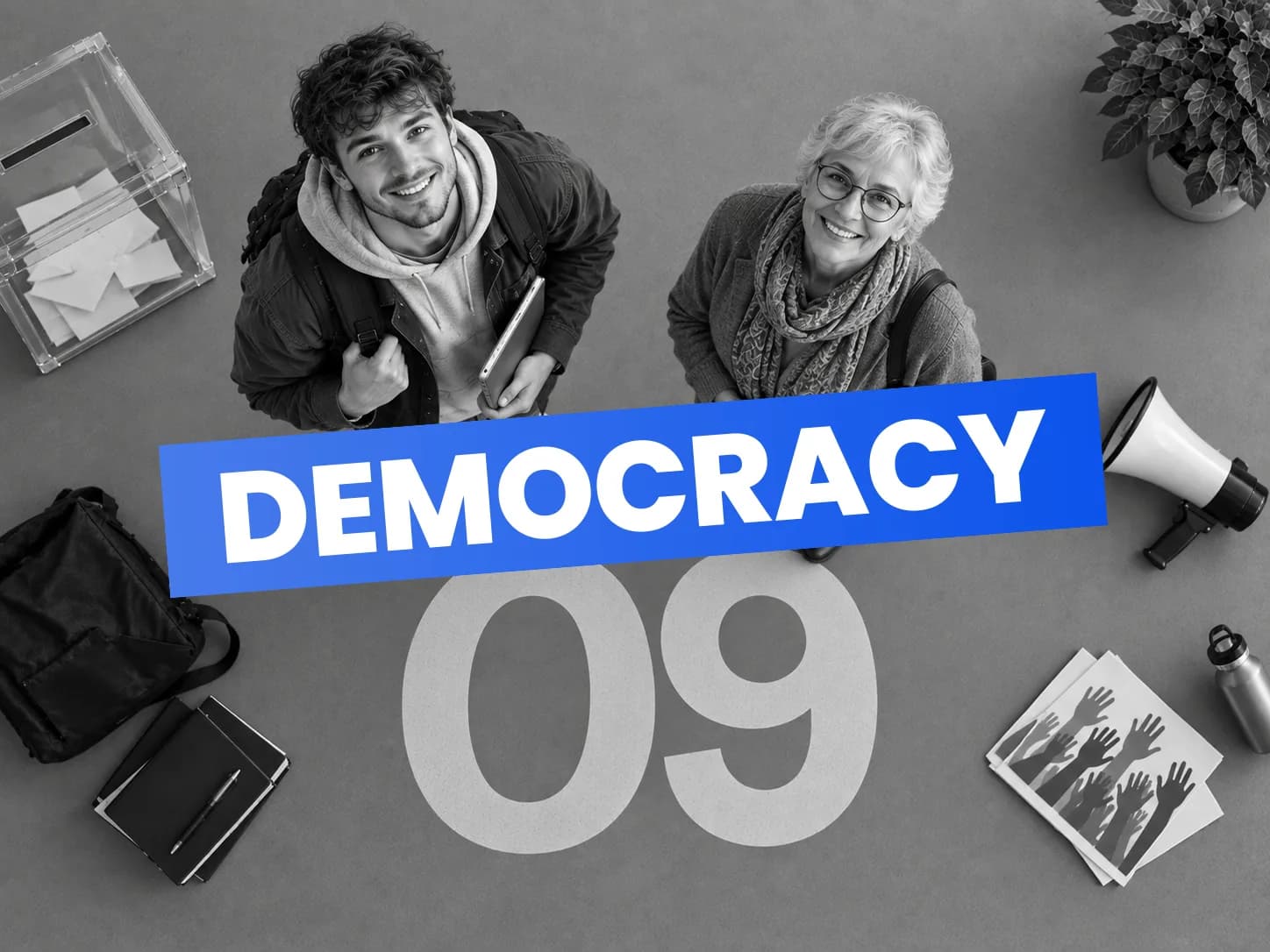
Democracy
Distrust in institutions, voter abstention, polarisation in public debate, the feeling of not being heard and difficulties in accessing one’s rights… The foundations of democratic life are being challenged, while many citizens are seeking new ways to take part in decisions that affect them. Beyond voting, how can we give citizens greater agency, make institutions more accessible and develop new forms of participation that renew democratic life?
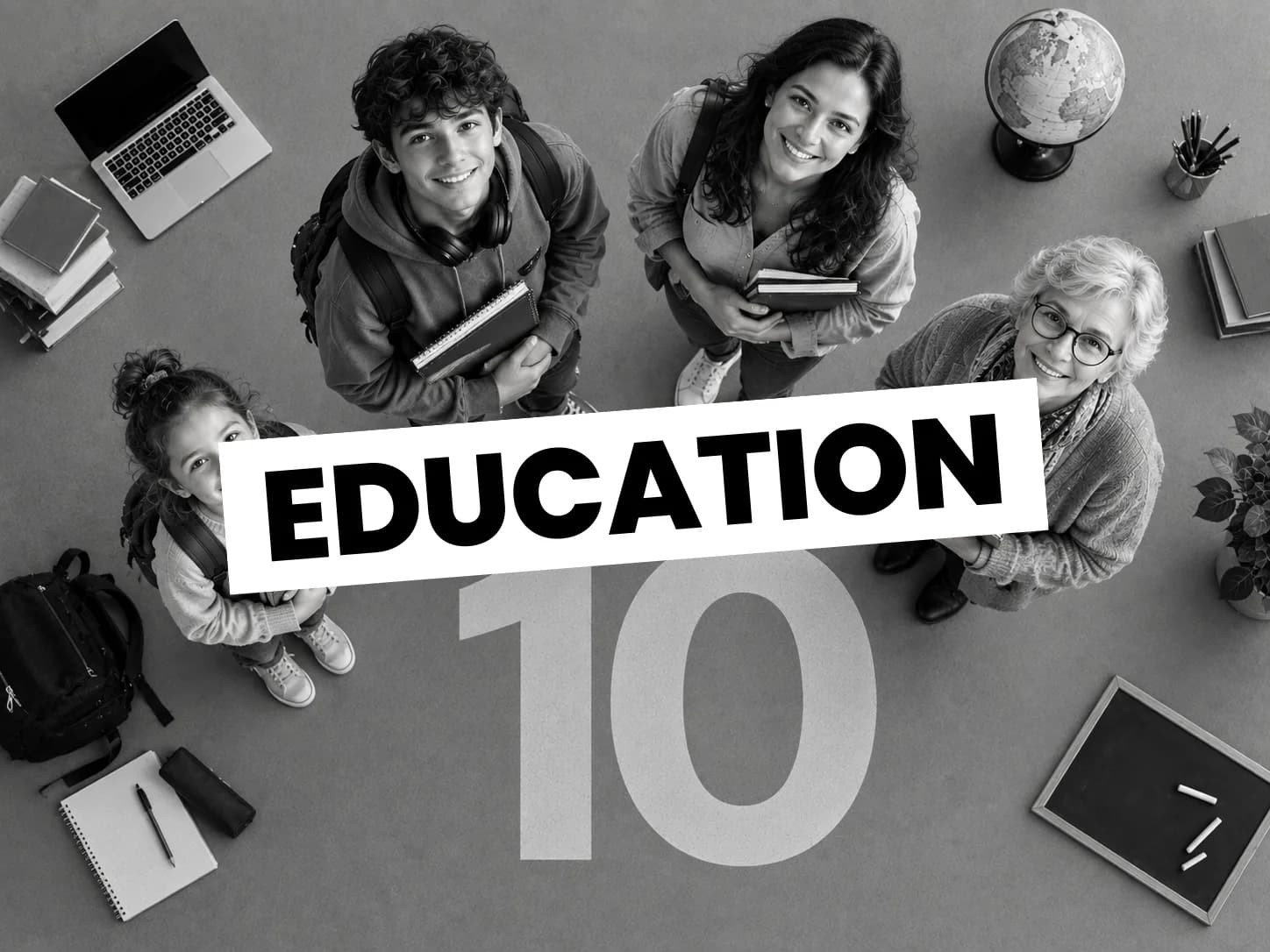
Education
Educational inequalities, school disengagement, difficulties in choosing a career path, student poverty and unequal access to knowledge and culture… Education remains one of the main drivers of personal empowerment and social mobility, yet opportunities for success still depend heavily on social background and learning conditions. In a world where skills and professions are changing rapidly, how can we rethink the way knowledge is passed on and give everyone the means to learn, thrive and shape their future?