Halage is an association created 30 years ago out of a dual indignation. In the 1990s, on the island of Saint Denis, a city island in the middle of the Seine, residents organized themselves to address both unemployment and the degraded living environment. These two issues were the starting point for the association, which over the years has developed projects for people distanced from the job market and professions that allow nature to reclaim its place in the city.
Today, Halage conducts integration projects in green spaces, as well as in the production of cut flowers for florists and individuals.
The association also serves as a training center for landscape professions, urban horticulture, composting food waste, and the production of technosols. A social integration project in the form of a solidarity garden has also been established in the La Goutte d'or neighborhood in Paris.
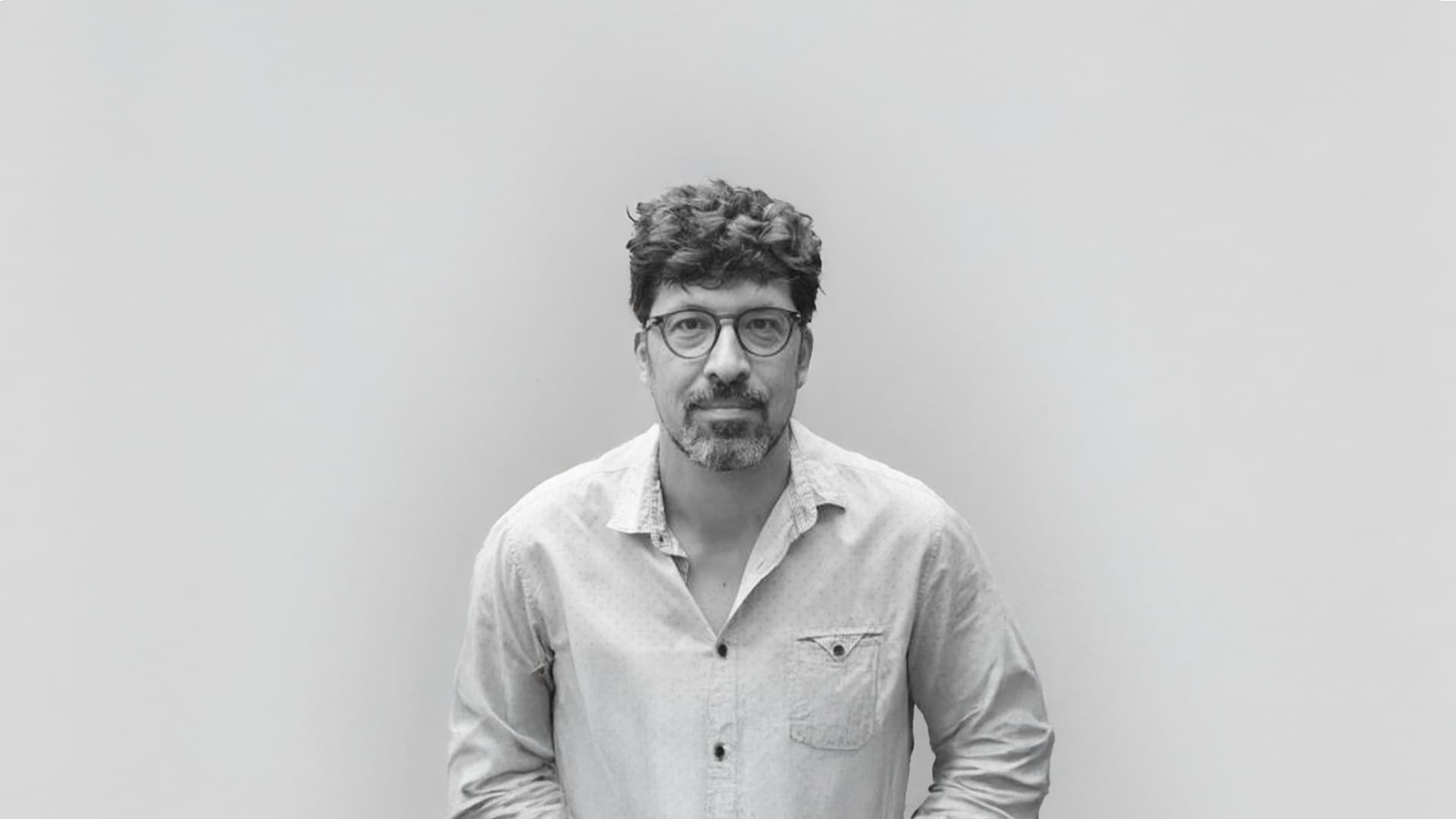
"And in all these activities, we also try to work within the framework of scientific research projects to make them transferable,” explains Stéphane Berdoulet, “not so that things are duplicated in a copy-paste manner, because each territory, each moment, and each group of actors has its own specificities. But rather so that we can serve as inspiration for other projects in the territory.”
By consistently adding the integration component, it reveals potentials, as the beneficiaries often come from rural areas, and their knowledge is often overlooked in the city.
“We develop our topics to make them demonstrators of another way of making cities, another way of doing agriculture or construction,” explains Stéphane Berdoulet, “with the aim that others can draw inspiration from this story and understand that it is possible to do things differently. Routine is not a fatality.”