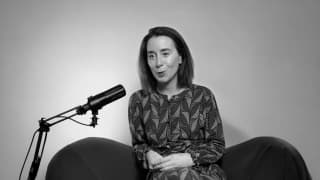
Recognized by French law as a criterion for discrimination since 2001, physical appearance remains largely absent from diversity and inclusion policies. "It’s almost an unthought of professional equality,” notes Alice Chanson. To better understand the experiences of those affected, the association Les Entreprises pour la Cité launched a survey between March and June 2026. A total of 1,296 people responded, and 636 shared anonymous and voluntary testimonies.
The first finding: women are significantly more exposed to comments about their appearance, hairstyle, age, weight, or clothing. More broadly, 74% of respondents reported feeling the need to modify their appearance for their careers: clothing, hairstyle, makeup, body hair, or religious signs. "Many respondents voluntarily alter their appearance to appear more credible, competent, or legitimate," specifies Alice Chanson. Behind these adjustments often lie very concrete pressures: straightening curly hair to appear more serious, or dyeing gray hair to avoid a neglected image.
Discrimination does not always take the form of explicit refusals. It also manifests in informal remarks, jokes, glances, or self-censorship. "Micro-aggressions are strong,” emphasizes Alice Chanson. They can hinder promotions, limit visibility, or weigh psychologically on those affected. Fatphobia appears as one of the most widespread manifestations: 36% of respondents say they have received comments about their weight or body shape.
In light of these findings, the association has formulated 10 recommendations. The first is to explicitly include physical appearance in companies' non-discrimination policies, to better objectify recruitment and career decisions, but also to raise awareness among teams and train managers. For Alice Chanson, it is also about questioning norms that end up homogenizing profiles and making differences invisible.