
Specifically, we are talking about combating sexism, sexual or moral harassment, as well as discrimination based on sexual orientation, age, or origin.
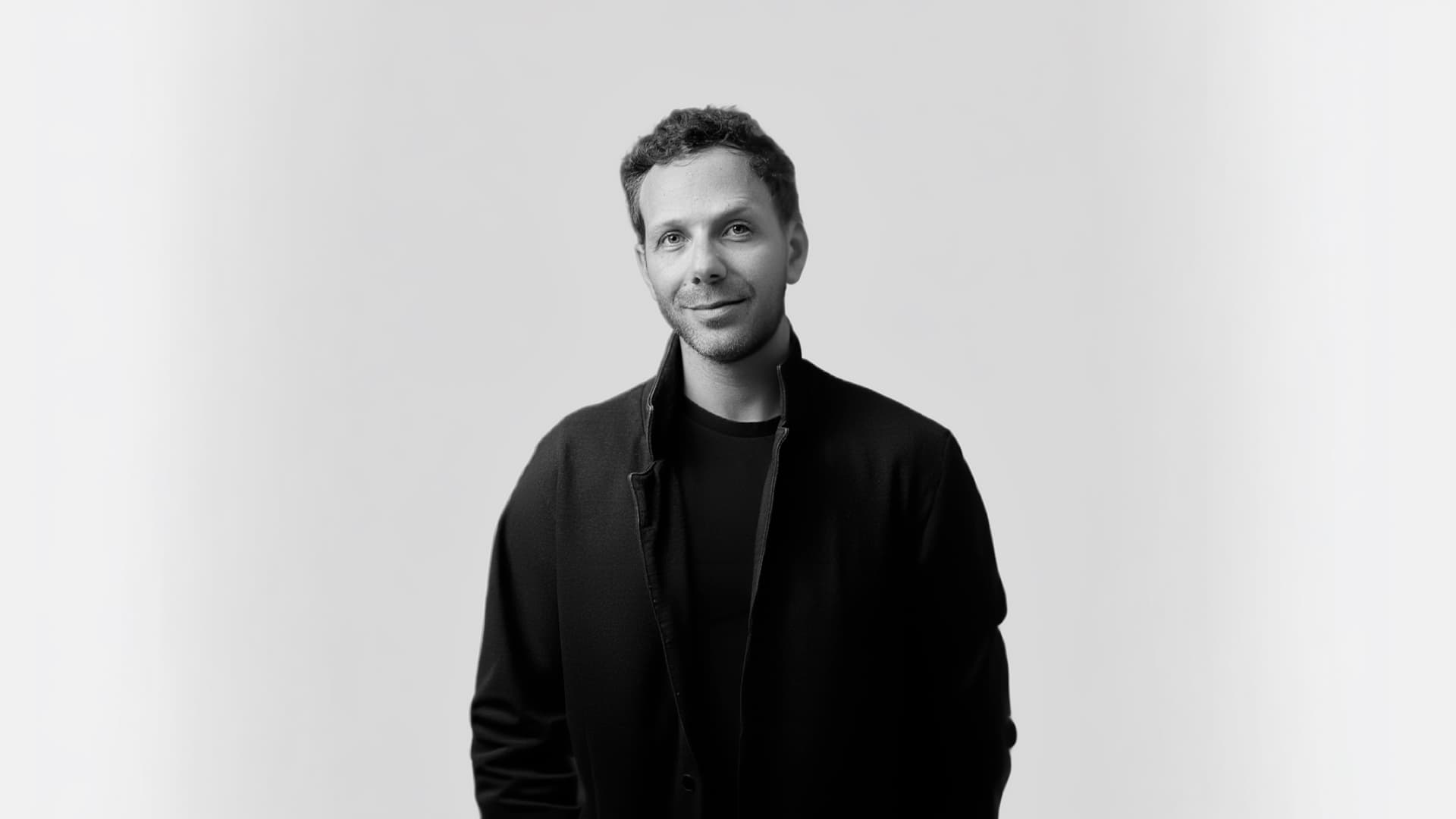
"Our stance is that everyone can, and even should, receive training on these issues, both to protect employees, of course, but also the employer who is liable in case of a lack of training on these topics. And this is not widely known,” explains Maxime Ruszniewski.
And progress is only possible through training, he says. In any company in France, almost everyone has received at least one training session on fire safety, but not on discrimination or inclusion, points out Maxime Ruszniewski. However, incidents related to inclusion occur much more frequently than fire outbreaks in offices.
“And so ultimately, there is a gap between this society that talks a lot about discrimination and what is actually done on a daily basis at work,” he insists.
So, with Remixt, the goal is to align action with words in a very concise and playful manner, so that people have a good time. This way, the messages are better integrated while respecting the legal obligations of companies.
The training sessions last 30 minutes and start with a self-assessment, meaning trying to recognize one's own shortcomings. For example, participants answer the question, “Do you think you have ever had preconceived ideas about people with disabilities? Do you think you have ever exhibited sexist behaviors?
“We ask participants to reflect, to take that necessary step back before fully engaging in the training and learning, step by step, the difference between what is allowed and what is not, where the red line is, and at what point certain behaviors are no longer acceptable. There must be awareness that leads to changes in attitude.”
Thus, when over 85% of participants at the beginning of the training say that "heavy flirting" exists, only 10% still think so by the end.
Training for inclusion has wide-ranging repercussions. "The workplace is a very good environment for changing mindsets. Then, it will spill over into the rest of society. Because a society that understands that we do not systematically interrupt women in meetings, that we should not make a fuss when there is a person with a disability because it will make them uncomfortable, that being gay, lesbian, or transgender is just part of the diversity of life, is a society that thrives better,” concludes Maxime Ruszniewski.