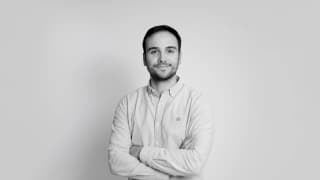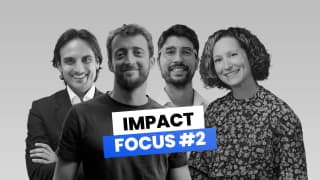
“The goal is really to meet each other and get on a bike,” explains Martin Vericel. Recently adopting a more casual format, but primarily, and this is at the heart of the activity of the association Univoyage since its inception, through weekends and cycling trips, during which participants can enjoy collective living moments where they set up camp and cook together.
These trips also allow for encounters with the local area, associations, and participation in workshops and visits, focusing on various themes related to nature, the environment, wildlife, agriculture, food, and eco-construction.
The aim is to make cycling accessible to as many people as possible, which means addressing persistent barriers, especially for vulnerable populations. Fears of not having the right skills, getting lost, or putting oneself in danger. Therefore, the association, in addition to having a team and guides who help participants prepare well before the trip, has a truck that transports tents, cooking equipment, and organic plant-based food from one stage to another, and also serves as support in case of fatigue or demotivation.
Besides the sense of pride that participants gain, biking, with its intermediate speed between walking and train travel, allows for easy transitions between landscapes. “In a week, it offers the chance to cross an entire region while taking the time to stop and see different things,” explains Martin Vericel.
“There is really the pleasure of pedaling, a sensation of gliding, and a strong sense of autonomy and freedom that comes with biking, which is incredible,” adds Martin Vericel. “And the fact that we offer itinerant experiences, where we camp rather than stay in permanent accommodations, is also to immerse ourselves in an outdoor experience. We are outside and reconnecting with our environment. There are many beautiful things we may not do enough today.”
Another apprehension, quickly dispelled, is spending time with complete strangers at the outset. “The human experience is very strong. That’s what participants remember at the end of the trip,” enthuses Martin Vericel. “Learning to build collective solutions without one person's needs outweighing those of others is also what people come looking for, finding ways to learn to live together.”