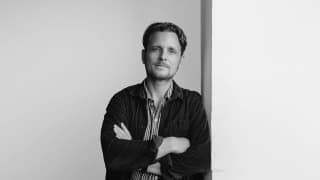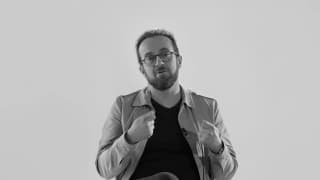
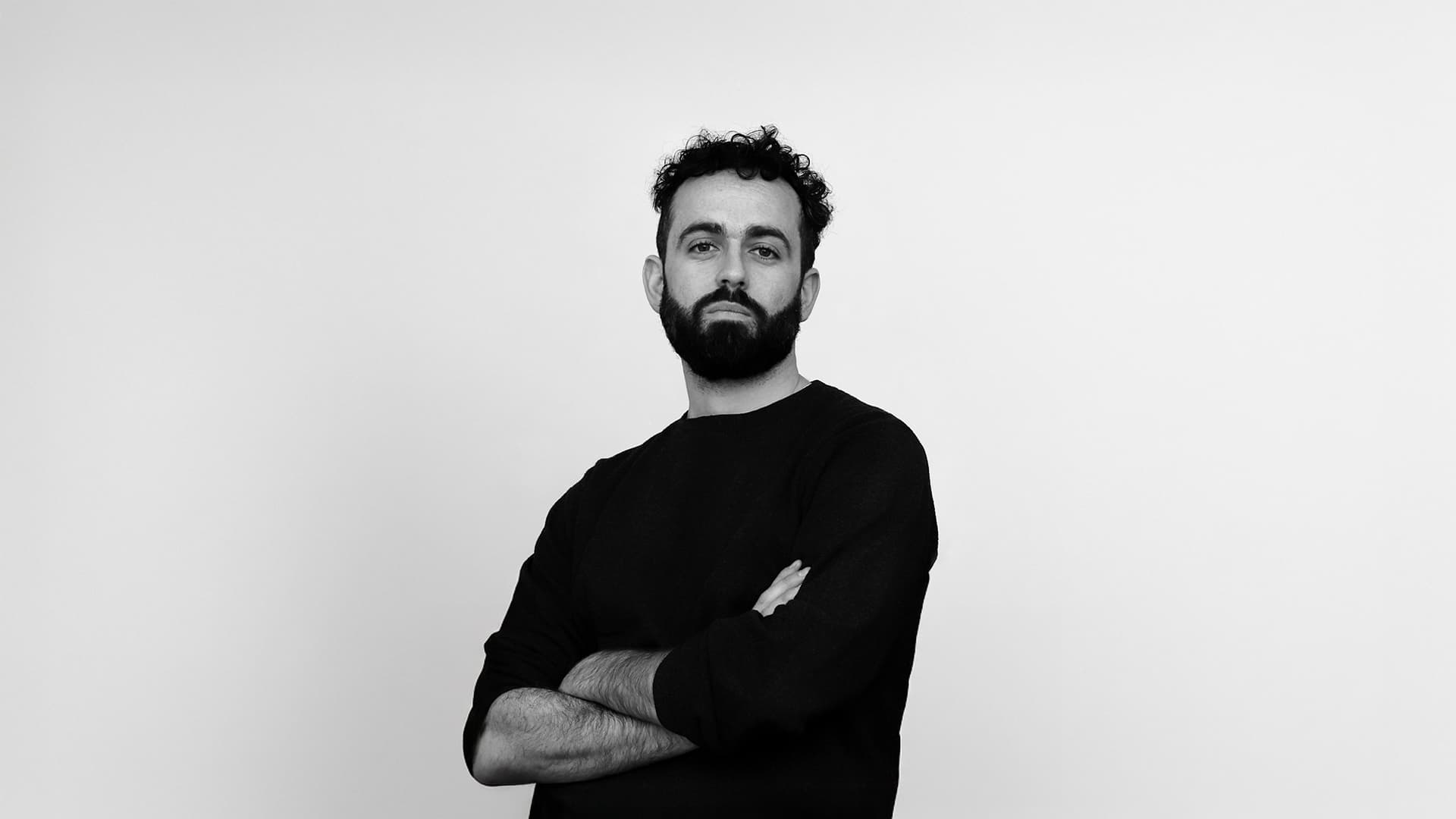
"The youth in rural areas are not just a handful of kids growing up in the middle of fields,” explains Félix Assouly. “We’re talking about 30% of the French youth, which amounts to 5.3 million young people in France.”
When including residents from municipalities far from major metropolitan areas, we quickly reach 60% of the youth in France. “So this is a category that is far from being a minority. In fact, it is a majority when considered in its entirety.”
These young people, having grown up in areas with limited opportunities, transportation networks, and access to public and private services, face several barriers to fully realizing their potential.
Indeed, 83% of the wishes expressed on Parcoursup are located in major metropolitan areas. “When a young person who has grown up in the heart of Paris, Lyon, Saint-Étienne, or Rennes thinks about what they want to do, a rural youth will necessarily wonder what they can do,” insists Félix Assouly. “This leads to an atrophy of dreams and opportunities.”
Therefore, for Rura, what matters is that these young people have choices. The organization supports them where they are, particularly through the involvement of mentors for a renewable one-year period, and most importantly, at no cost.
These programs enable them to refine their knowledge of sectors and professions, gain hard skills as well as soft skills, learn how to present themselves, formulate arguments, and build self-confidence and optimism for the future.
Beyond that, there is a need to address other barriers, such as access to scholarships to finance driving licenses or housing, and internships.
Three thousand young people are supported each year. For all the others, Rura continues its advocacy work aimed at ensuring that this inequality of opportunities for young people in rural areas simply no longer exists.
First, with the help of researchers in sociology or geography to better understand and inform about this rural population, and then through efforts to change perceptions in the collective imagination.
Finally, by ensuring that every key player addresses this issue in their own interest. “It’s about thinking about public policies by asking how they will impact and be implemented in rural areas?” questions Félix Assouly.
It’s also about how to ensure that companies adapt their recruitment processes and working hours to rural realities.
“So Rura works on these two levels of impact, both closely with the youth, because there is a need to change their lives individually, and at the same time, there is a need to ensure that society as a whole addresses this issue and responds to it on its own,” concludes Félix Assouly.
In partnership with