Pariscience offers screenings of scientific films followed by discussions with the film teams and scientists, as well as activities aimed at school groups and professionals.
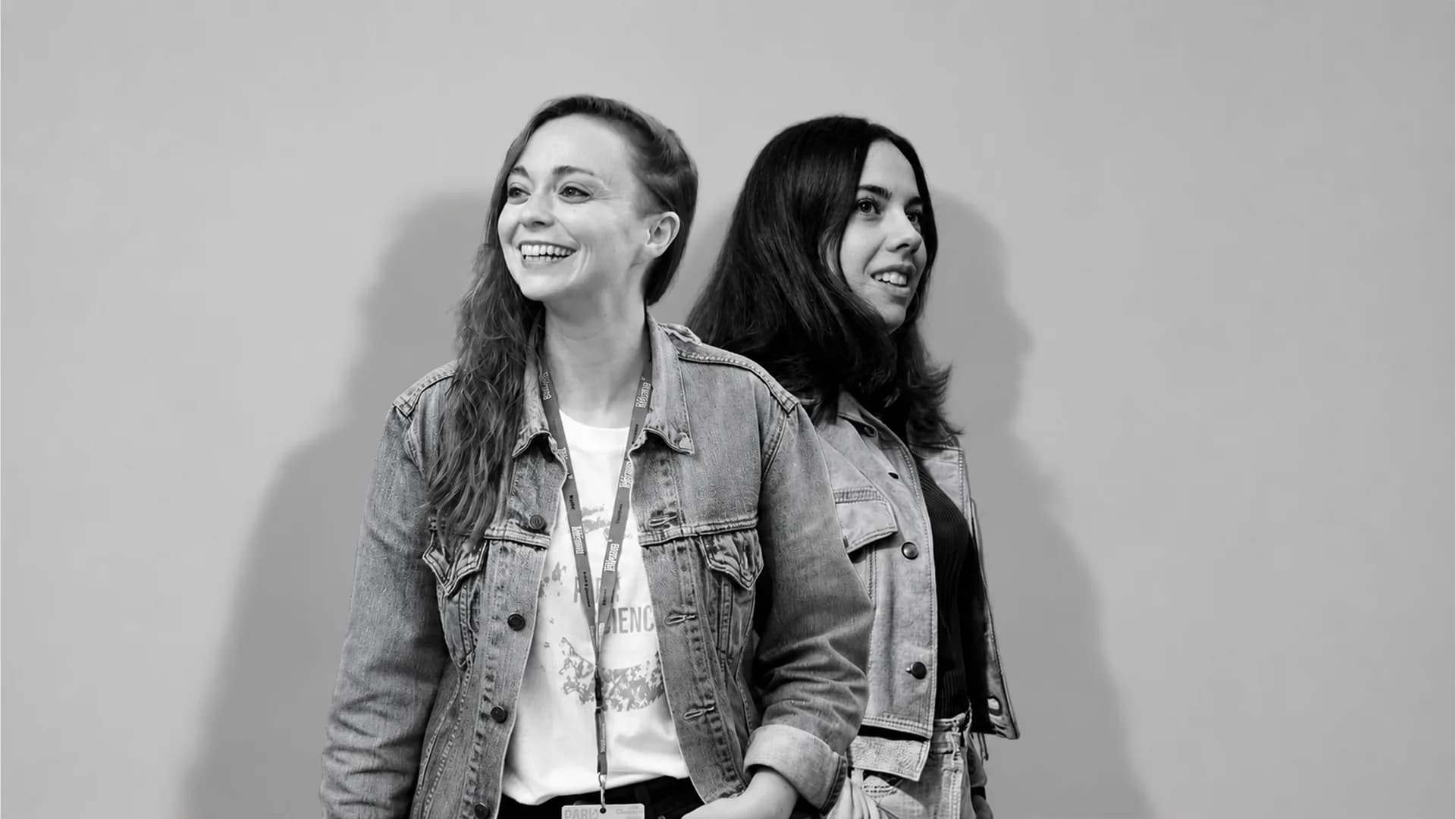
“The scientific documentary allows for popularization and thus to talk about science, especially to audiences who may not necessarily feel comfortable with these issues.” The video format allows for leveraging “the emotions and sensory experience that a film brings” to reach the general public, explains Clotilde Pilot.
The topics covered go far beyond strict sciences, encompassing climate, environment, artificial intelligence, health, and energy, which are also societal issues.
“Today, we need more than ever to understand what is happening around us to grasp these major challenges and to be informed citizens who can act and make the most judicious decisions,” explains Clotilde Pilot.
Documentaries also offer a different relationship with time. “It’s information over the long term, with investigations lasting months, good filming, and editing. It’s not instant hot information,” emphasizes Romane Olry. This temporal aspect allows, according to her, for a greater perspective on the subjects addressed.
The festival places significant importance on youth. Nearly half of its audience is school-aged, from primary to high school. “It’s very important to start early, to give them a certain scientific culture, to develop their critical thinking, and also to foster their curiosity.” This interest already exists: 71% of students report enjoying working on science, while 91% of 15-17 year-olds see science as a key to understanding the world.
This year, three themes have been particularly highlighted: health and care, the history of science, and the relationships between humans and animals. But beyond the screenings, Pariscience also seeks to extend reflection and promote action. “We also try to get involved in supporting impact campaigns,” explains Clotilde Pilot, with actions aimed at “encouraging citizens to mobilize on issues, particularly climate and environmental ones.”
The next Pariscience festival will take place from October 22 to 26, 2026, at the Museum of Natural History and the Institute of Physics of the Globe.