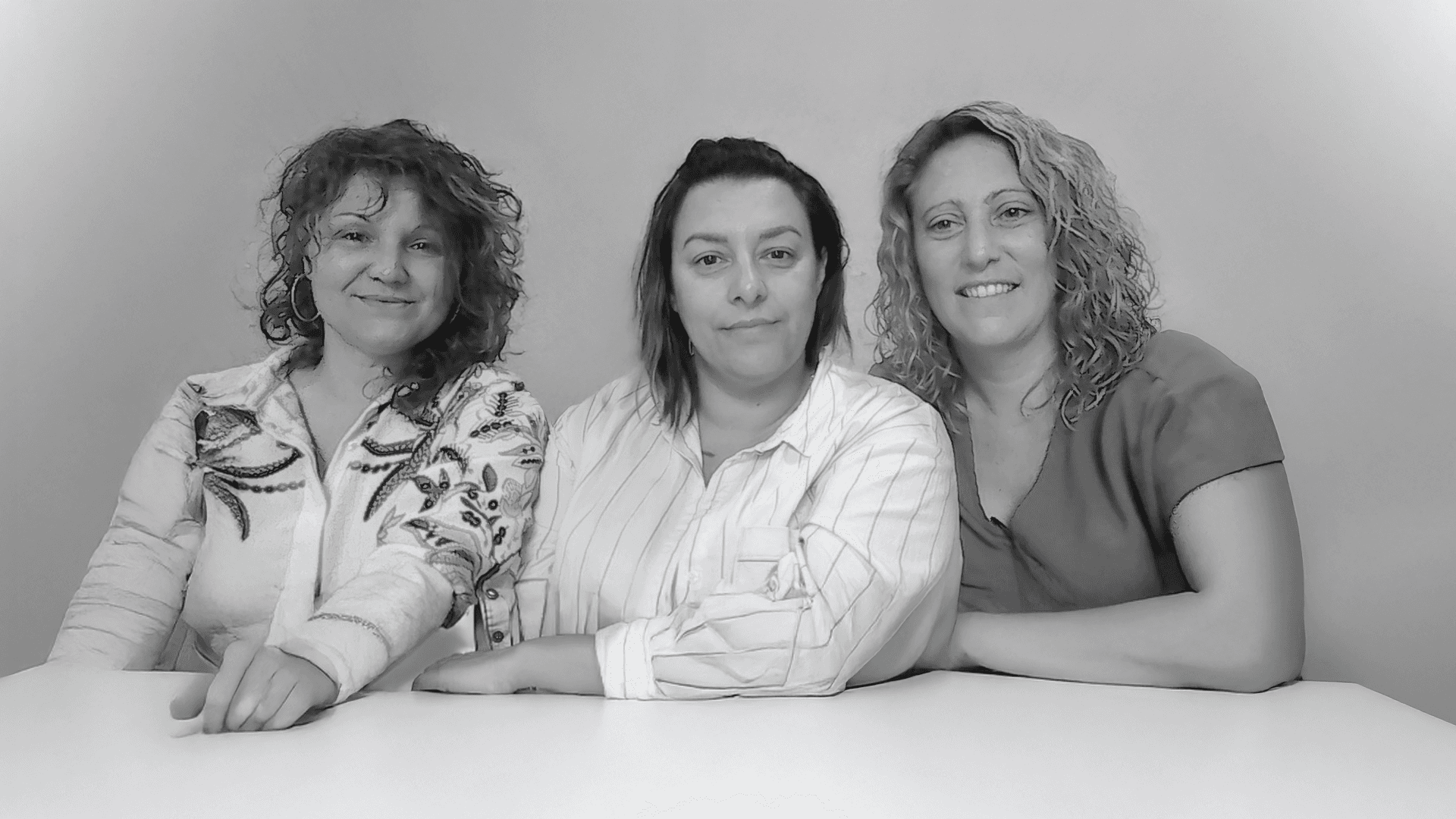
The association L’Ecrin de soi was born from observations made with patients individually followed by the president, Angélique Sorhaindo, who is also a hypnotherapist nurse specialized in supporting victims of violence and trauma, as well as individuals in vulnerable situations needing support in health and mental health.
“We are in an area where it is very complicated to access care,” explains Astrid Gans, treasurer of L’Ecrin de soi. "This observation led us to work on establishing a reconstruction hub with collective sessions in a mobile format across the entire territory of South Gironde, as the issue is often mobility in these areas. We also implemented a solidarity pricing system so that everyone can access it, regardless of their resources.”
In rural areas, there is indeed the issue of mobility, but there is also the lack of therapists and practitioners, resulting in very long waiting lists and a saturation phenomenon. There remains the option of going to the nearest big city, but with the mobility issues mentioned earlier, it creates a vicious circle.
Thus, L’Ecrin de soi has partnered with a health center, in a collective dynamic supported by the town hall and the local pharmacy, which are trying by all means to attract practitioners: midwives, gynecologists, psychomotor therapists, psychologists.
A medical foundation, therefore, combined with therapeutic support offered in sophrology and hypnotherapy. “We work on the physical aspects related to the mind,” explains Angélique Sorhaindo. “We blend the two since violence has physical, psychological, and financial consequences. It is a whole that is jeopardized, and we support individuals step by step on the path to global reconstruction.”
The idea of the association is not to condition support on filing a complaint, receiving care, or resource conditions. “Today, many associations impose conditions on support and rehousing. We forget that domestic violence does not only occur in financially precarious environments. And we want to be that resource place where you can walk in without conditions. This openness will facilitate access for everyone. And for us, it is essential.”