
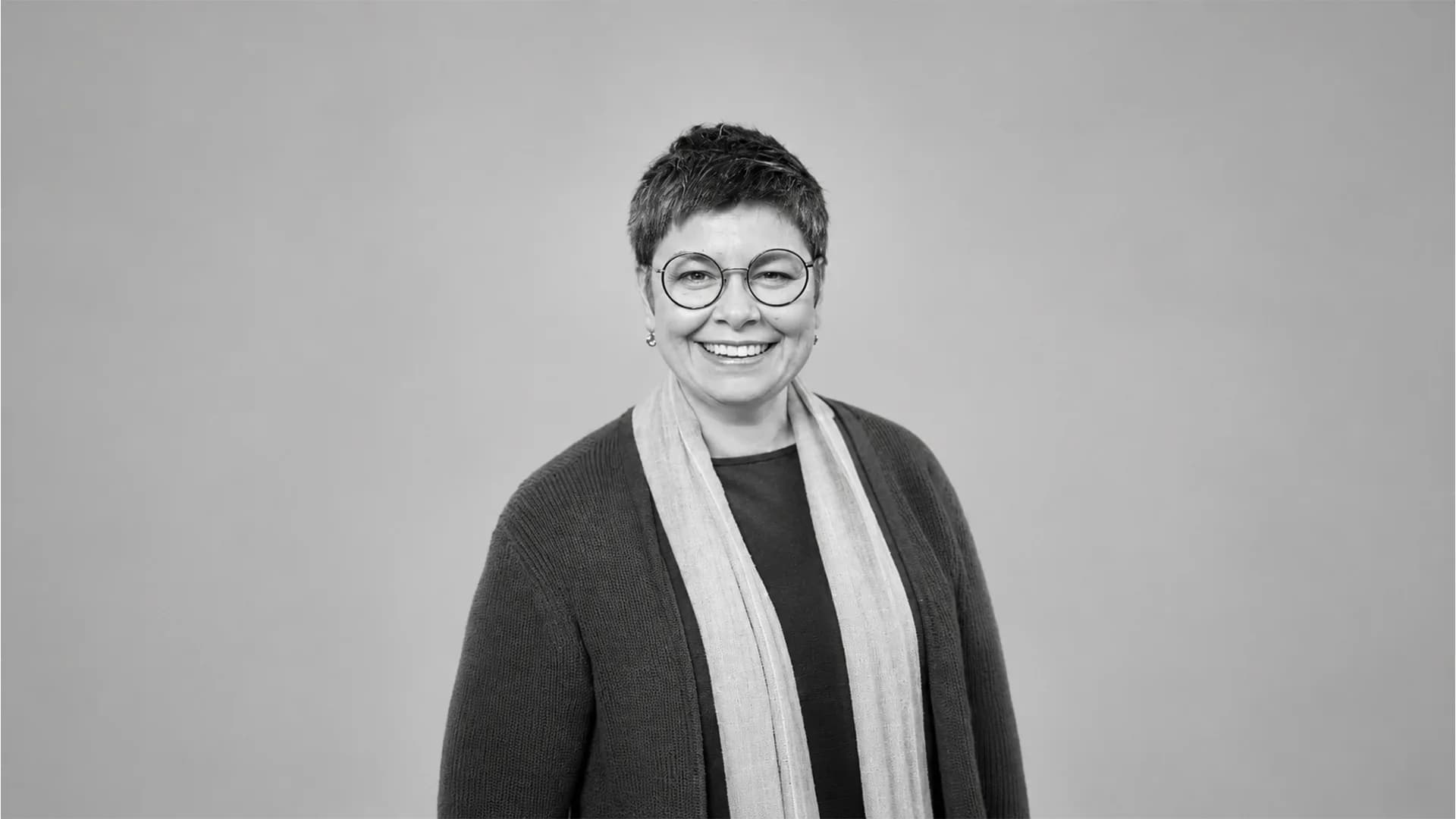
The term Solidarische Landwirtschaft originated in the 1990s, and in 1998, the first farm was organized according to this principle. It took a long time for this concept to gain traction, as Andrea Klerman notes. When the network was founded in July 2011, there were only fourteen SoLaWi farms. Currently, the largest SoLaWi farm alone supplies about 2,500 households.
A Solidarische Landwirtschaft, or Solawi for short, is a partnership between consumers and producers that goes beyond simple supermarket purchases. The farms and households form a community and support each other. Individuals cover the costs of agriculture in advance—usually for a year—allowing the farmers to operate independently of the market, and all members of the Solawi share in the harvest.
Thanks to the Netzwerk Solidarische Landwirtschaft, individual initiatives or existing Solawis can connect and exchange ideas, participate in training and workshops, and collaborate on research projects. The goal of the association is to spread and further develop the principle of Solidarische Landwirtschaft—both at the national and international levels.
However, a Solawi is not just about production and harvest; it also focuses on education, as Klerman explains, particularly in the area of nutrition. Democratic education is also essential. All members exchange ideas, discuss, make decisions together, and seek solutions to arising questions and problems. Klerman states: "All of this happens in friendly negotiation processes and is thus extremely conducive to democracy, as we learn to talk to each other, express our needs, and possibly even set limits."