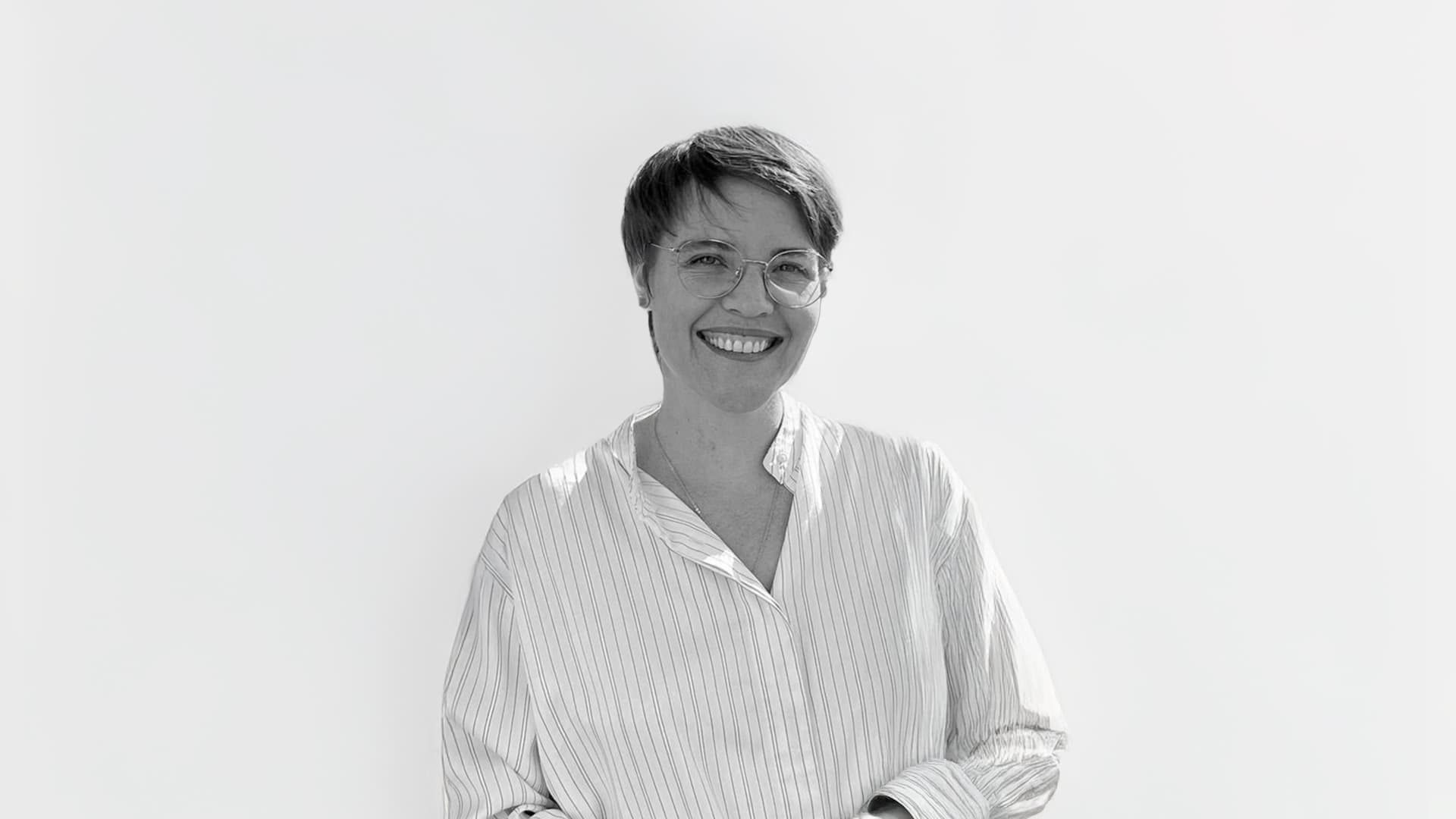
"We support entrepreneurs from the idea stage to their first fundraising, helping projects to structure themselves,” explains Sophie Vannier. “And we do this for entrepreneurs we now call impact entrepreneurs, meaning those who address significant societal issues, whether environmental or social, and who are also trying to find a viable economic model.”
La Ruche's first conviction is that another economy is possible, one that is more sustainable, more virtuous, that makes better use of resources, and is also more inclusive, thus fairer and accessible to all, sharing value more equitably, according to Sophie Vannier.
Another strong belief is the importance of mutual support and sharing, which is one of the keys to success in the entrepreneurship ecosystem.
La Ruche also supports underrepresented groups in entrepreneurship, such as women, individuals benefiting from international protection, and long-term unemployed job seekers. Here, entrepreneurship is used as a lever for professional integration.
Today, La Ruche has 16 branches across France, reaching about 12,000 people each year on the topic of entrepreneurship and concretely supporting 5,000 individuals at a key stage of their projects. There are around thirty programs, and “we often work to ensure that they are 100% free for our beneficiaries.” Partners sponsor the support programs.
Awareness of entrepreneurship is raised through all possible channels: fairs, social media, meetings, “to break down biases, both in saying ‘entrepreneurship is great, it’s freedom, I’m going for it,’ and conversely, the self-censorship barriers, ‘it’s super risky, it’s not for me, I’m not capable,’ to show that in fact, it’s open to everyone, by following the right steps,” emphasizes Sophie Vannier.
When receiving support, individuals are twice as likely to still be active three years later compared to those who do not receive support. “In impact, we measure the activity rate, the increase in turnover, and we also look at the number of jobs created. We also monitor positive outcomes, such as transitions to training or salaried employment, if someone ultimately decides not to start a business,” specifies Sophie Vannier.
"In our spaces, we try to foster a strong sense of conviviality and a lot of peer-to-peer interaction and collective intelligence. This quickly creates a strong professional network. Because when you leave the program, you may no longer have your mentor, the experts, or the training. But the friendships you’ve formed, the professional network, is something that remains.”