
Everyone knows the IPCC, a group of scientists working on climate change who, approximately every 5 years, write a report on what science, natural sciences, says about the climate.
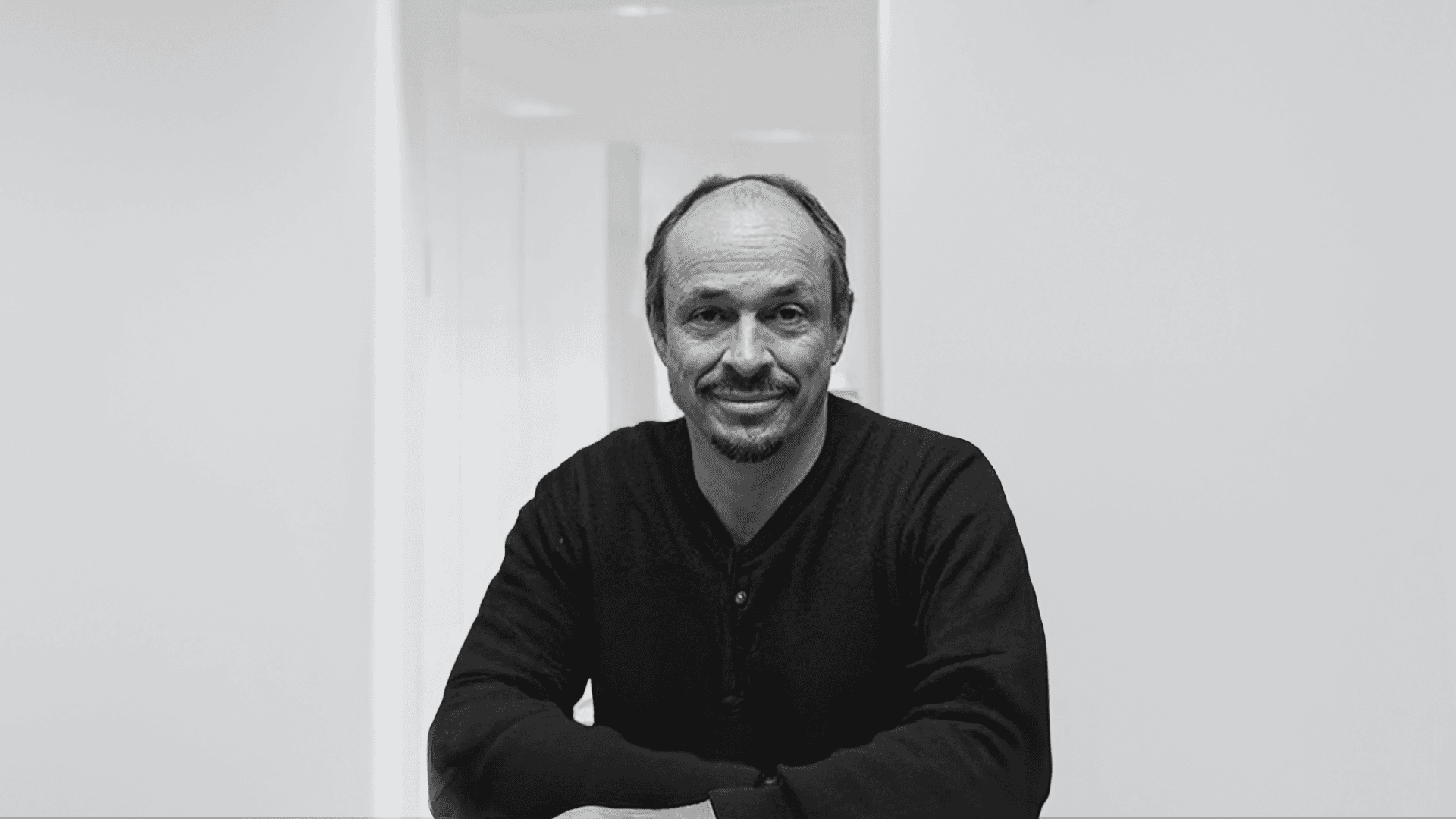
“We have always felt that the human aspect was missing in these reports, but also in research in general,” explains Stéphane La Branche. “The idea was to create an international group of scientific experts, the GIECO, to look into the mechanisms that make us want to change or not, and that when we do want to change, we still might not do it.”
A questioning that is both individual and collective, “even if an individual does not exist alone in the desert or in a cave. So what are also the drivers of structural collective change and non-change, the urban or rural environment, the country we live in, and how does all this interact together?”
Among the lessons from this study, it appears that scientific data and cognitions are not significant factors for change or non-change. Emotions are more powerful, with the ambiguous role of fear, which can either paralyze us or push us to take action, depending on the circumstances.
So how can we encourage change? Communication based on fear and disasters does not work. The idea is to spark interest. “We have always emphasized the ecological crisis, but when I have to pick up my children from school, when we know that having a second child leads to using the car, my daily life takes precedence,” explains Stéphane La Branche. “You can have 150,000 very good reasons to become vegetarian, but if you don’t offer good vegetarian food in your cafeteria, no one will make the leap. Despite all your convictions, your values, lived experience seems to hold a very important place and is more powerful than grand ideals or major societal projects, because we are in our own daily lives. Therefore, we need to try to act on that.”
The second lesson is that change is scary. One of the best ways to reduce this psychological and emotional pressure of change is to provide operational support. “We offer solutions, even if they are not completely right. But the fact of offering solutions reduces the fear of change and encourages people to want to change.”
The value of GIECO's work lies in its interdisciplinary and transdisciplinary approach. “This is great because it is the best way to understand the different factors that lead us to move or not. There is not just one motivation that drives us to do something; it is always a combination, but among these, some are more important than others at certain times in life.”
The first volume of the GIECO report has just been published.