The third place Mirasou features 200 m² of facilities including a coworking space, a multipurpose room, and a grocery store. A large building is set to soon host a guesthouse, two apartments, and a professional kitchen. The site is also developing an agroecological orchard-garden, free from inputs, which produced two tons of vegetables last year and could reach three tons this year.
Biodiversity is another key focus of the project. 1,300 trees have been planted to recreate connections between agricultural spaces and the forest. The third place is also working to preserve wetlands and develop habitats for wildlife.
However, Mirasou primarily aims to be a place of knowledge transfer. Agroecological practices coexist with eco-construction, circular economy, and material reuse. "All our facilities have been built using 80% reclaimed materials," emphasizes Philippe Guilbaud.
This commitment to knowledge transfer has also materialized with the creation of a School of Ecological Transition, which notably welcomes young people who have dropped out of school and the workforce. In three years, the two associations linked to the project have created five jobs and welcomed several hundred volunteers.
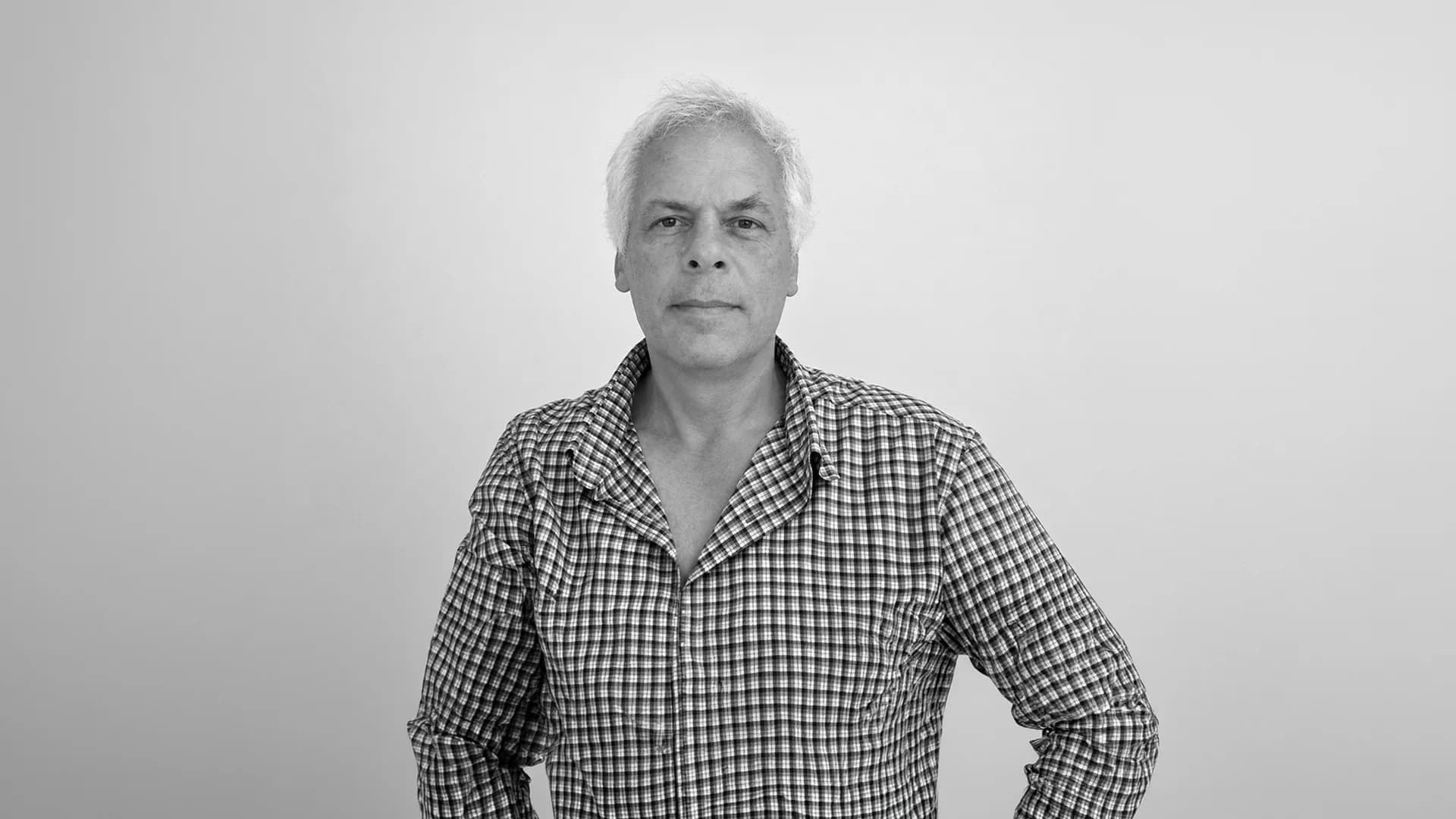
Thus, the third place has become much more than just a living space. "Simply living in an eco-place is not enough. There must be a commitment to societal transformation,” insists Philippe Guilbaud. For him, this transformation also involves local anchoring: "We must learn to integrate into the territory and participate modestly, but with the desire to contribute ideas and be actors of the change we want for the world," he concludes.
The Mirasou third place is an initiative suggested to us by Opération Milliard, one of whose missions is to make visible the organizations of the Just Transition.
In partnership with