
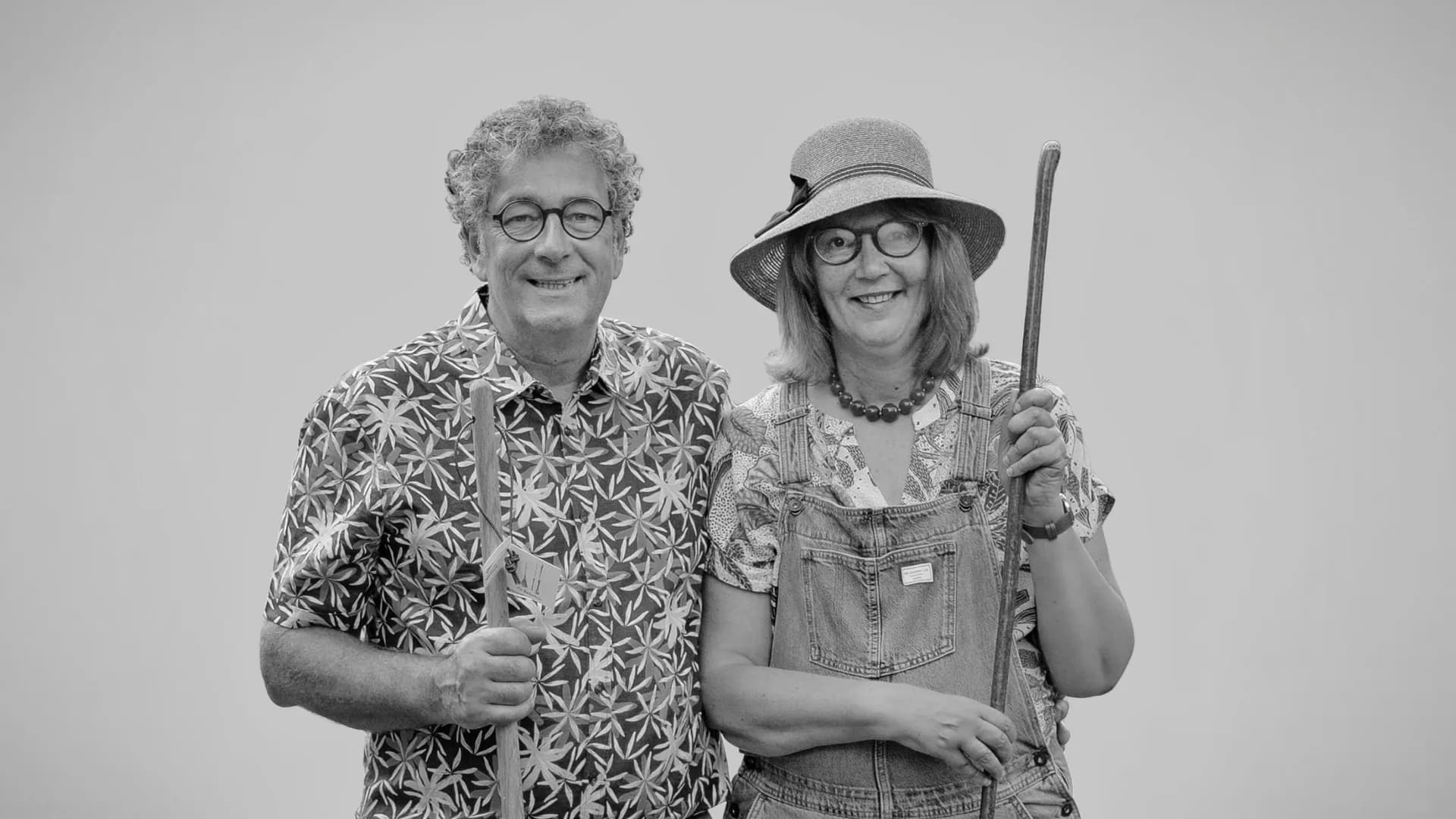
In the face of industrial plastic brooms, the couple advocates for a local and sustainable alternative with La Balaiterie. " When the broom breaks down, it returns to nature ", explains Arnaud Gabriel. Sorghum requires three times less water than corn, allowing for the creation of an object that can last " 15, 20 years easily " if well maintained.
To revive this trade, the two entrepreneurs had to rediscover the machines and techniques of one of the last broom makers in France. This experience made them realize the fragility of these skills. " In France, we have incredible know-how that must be preserved at all costs ", believes Arnaud Gabriel. He adds: " If no one wants to take over, these trades will be forgotten ".
For him, the ecological transition can indeed offer a new chance for these manual trades. They are " quite tough ", but also " creative ". They allow for a different relationship with time. " We work at our own pace, and just that is very pleasant ", he shares.
" Young people today can create beautiful things. There are wonderful trades to revive, beautiful activities to develop ", says Marie-Laure Gabriel.
Through their workshop visits, the couple also seeks to pass on this heritage. Behind such a mundane object as a broom lies a complex know-how. " There’s nothing simpler than this object. But when we explain how it’s made, all the work involved, visitors are delighted ", they conclude.