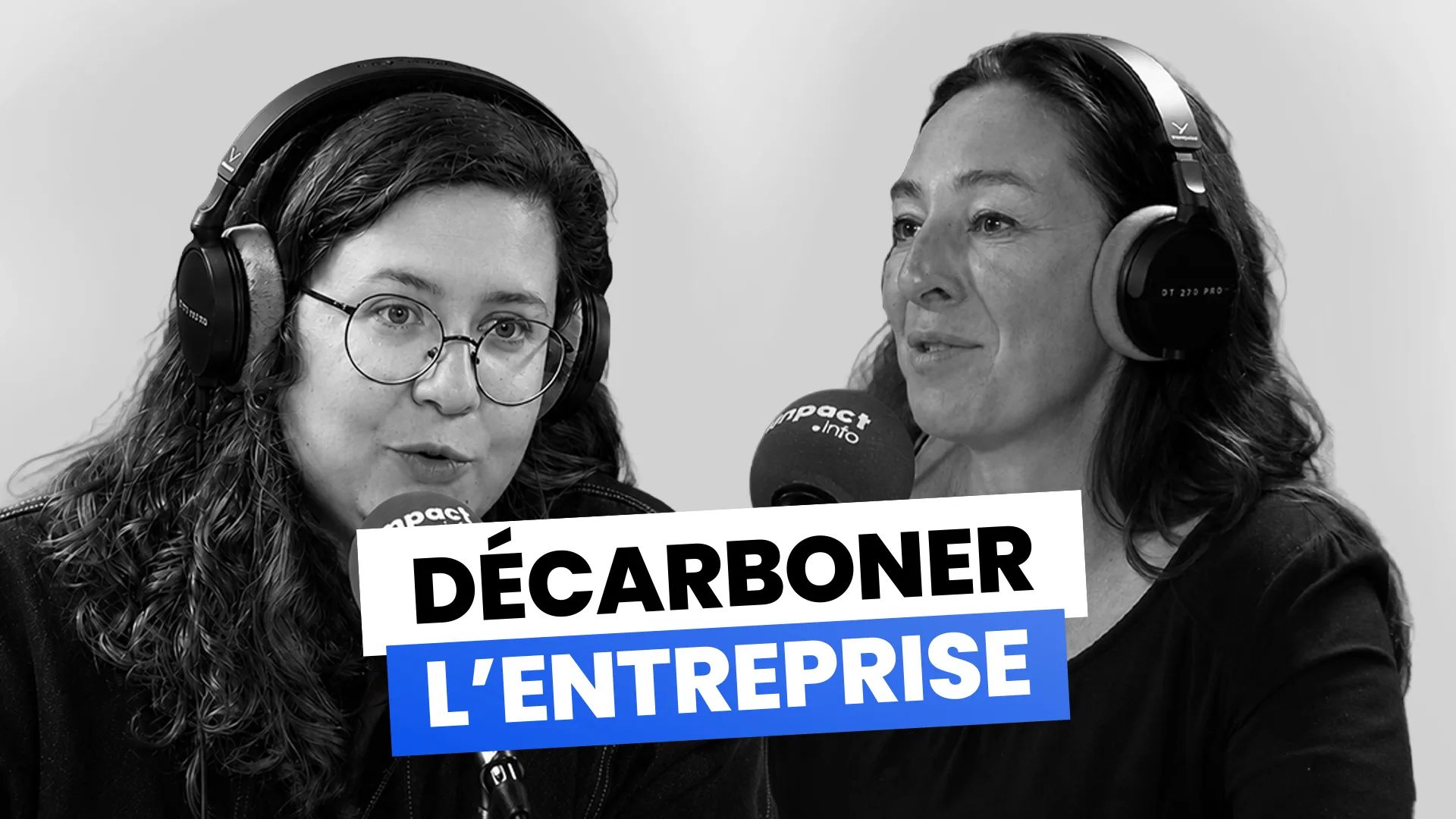
In France, the average carbon footprint is 8.2 tons of CO₂ per person, far from the 2 tons needed to meet the goals of the Paris Agreement. For Anouk Jugla, reducing this impact cannot rely solely on individual behaviors. “We cannot over-guilt individuals in a problem that is global,” she asserts.
While consumption choices remain important, the ecological transition also involves companies and public policies. The challenge is to break free from what is called the “triangle of inaction,” where everyone shifts responsibility to others.
For companies, everything starts with the carbon assessment. This assessment helps identify the main sources of emissions and the levers for action, which vary by sector. “What we can measure, we can reduce,” summarizes Anouk Jugla.
Although the recent setback of the European CSRD directive has slowed some obligations, she observes that the momentum continues. More and more large groups, banks, and local authorities are now requesting a carbon assessment from their suppliers or integrating non-financial criteria into their calls for tenders.
At Carbo, this logic also applies internally. The company publishes its own carbon assessment, prioritizes train travel for business trips, and has been experimenting with a four-day workweek since 2023. Beyond reducing environmental impact, this organization aims to give employees back their time. “Reclaiming time is a lever for a happy ecology,” explains Anouk Jugla.
For the HR manager, building a more ecological company is not just about reducing emissions. It’s also about creating a more transparent, collaborative, and desirable model that can reconcile economic performance, employee well-being, and environmental responsibility.