SENS was born from an observation made 7 years ago, that the young people supported in the two institutions of the dispositif, who generally arrive shortly after birth at the time of their disability diagnosis, leave at adulthood with few, if any, adapted tools to find their place in society and address the questions they may have in their daily lives.
By chance, the Dispositif responded in 2021 to a call for projects from the rural health agency, focusing on technological innovations for the sensory impaired population, which they won. At the heart of SENS are the ideas brought forth by the young people themselves, based on their experiences and expectations.
Today, the application, with its latest version released on September 30, 2025, explores 8 major themes, such as health, housing, the world of work, and rights...
Specifically, when you log in, you can choose your profile. If you are a deaf person, you can request accessibility in French sign language. If you are oral, you will prefer the tool “complimentary spoken French”. If you are blind or visually impaired, then you will select the "visually impaired" profile. From then on, all articles will be translated according to your choices.
The information is provided through geolocation, which covers all of France. The articles, written in collaboration with the young people, then lead to the official websites of the relevant institutions or organizations.
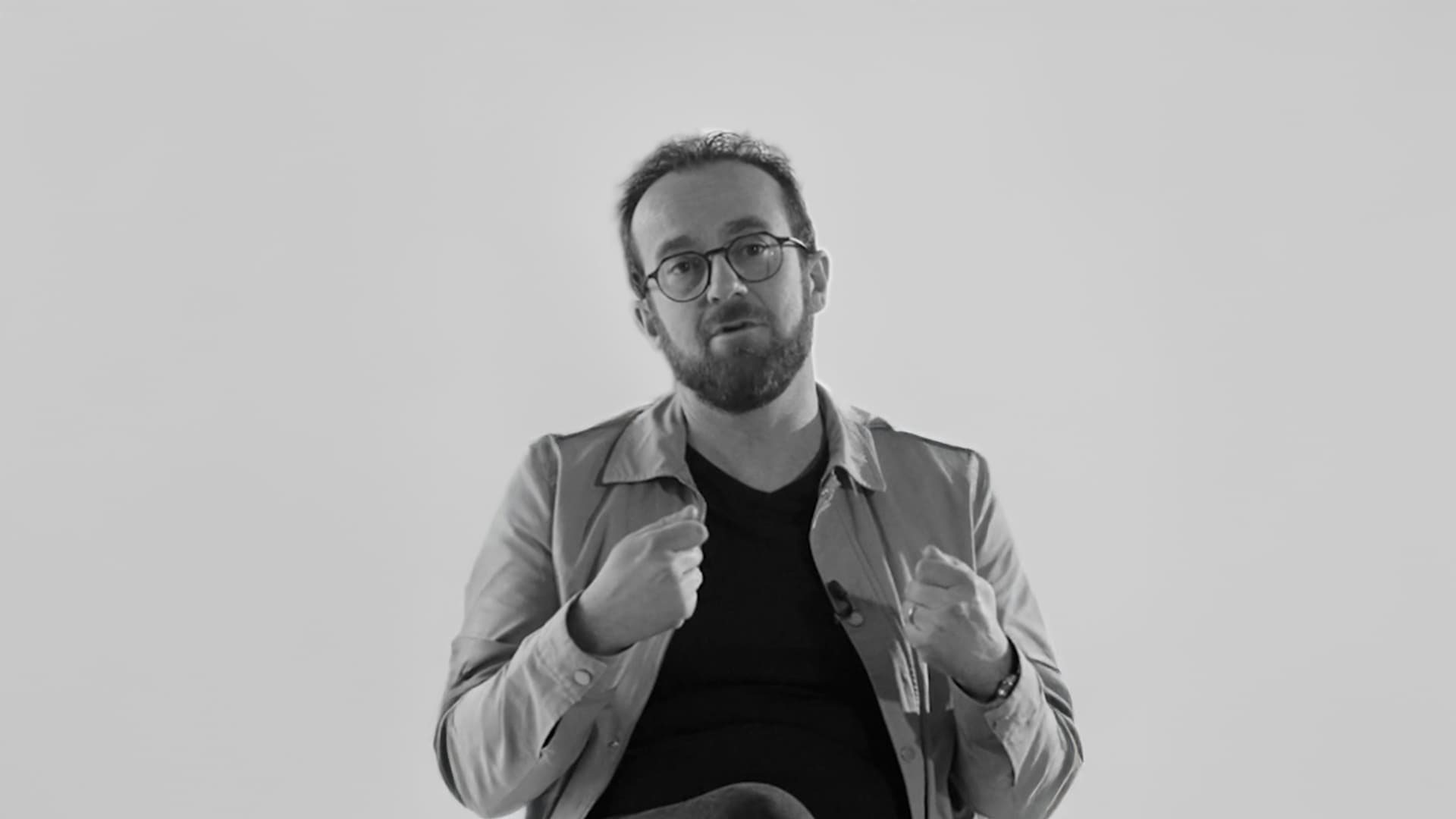
"We say on the application that it is 100% accessible,” explains Freddy Halet. “It’s because in reality, this is not an application made only for deaf young people or blind young people, or young visually impaired or hard of hearing individuals. It would be a great goal to say that everyone can use it, whether it’s a typical young person or one with a disability, whether it’s dysphasia, dyslexia, or a mental handicap. We also support families who are allophones or who do not have access to written French.”
A first at the national level, but also worldwide, as no application of this type, completely free, would exist, according to research conducted by the teams at the time of its creation.
"If thanks to the application, we manage to raise awareness in society to make the environment accessible, it’s a great showcase,” rejoices Freddy Halet. “Because our battle horse is also to make people understand that a person, when they have a disability, is primarily in a situation of handicap. If we make the environment accessible, then sometimes the handicap can disappear. And the SENS application can convey this type of message.”