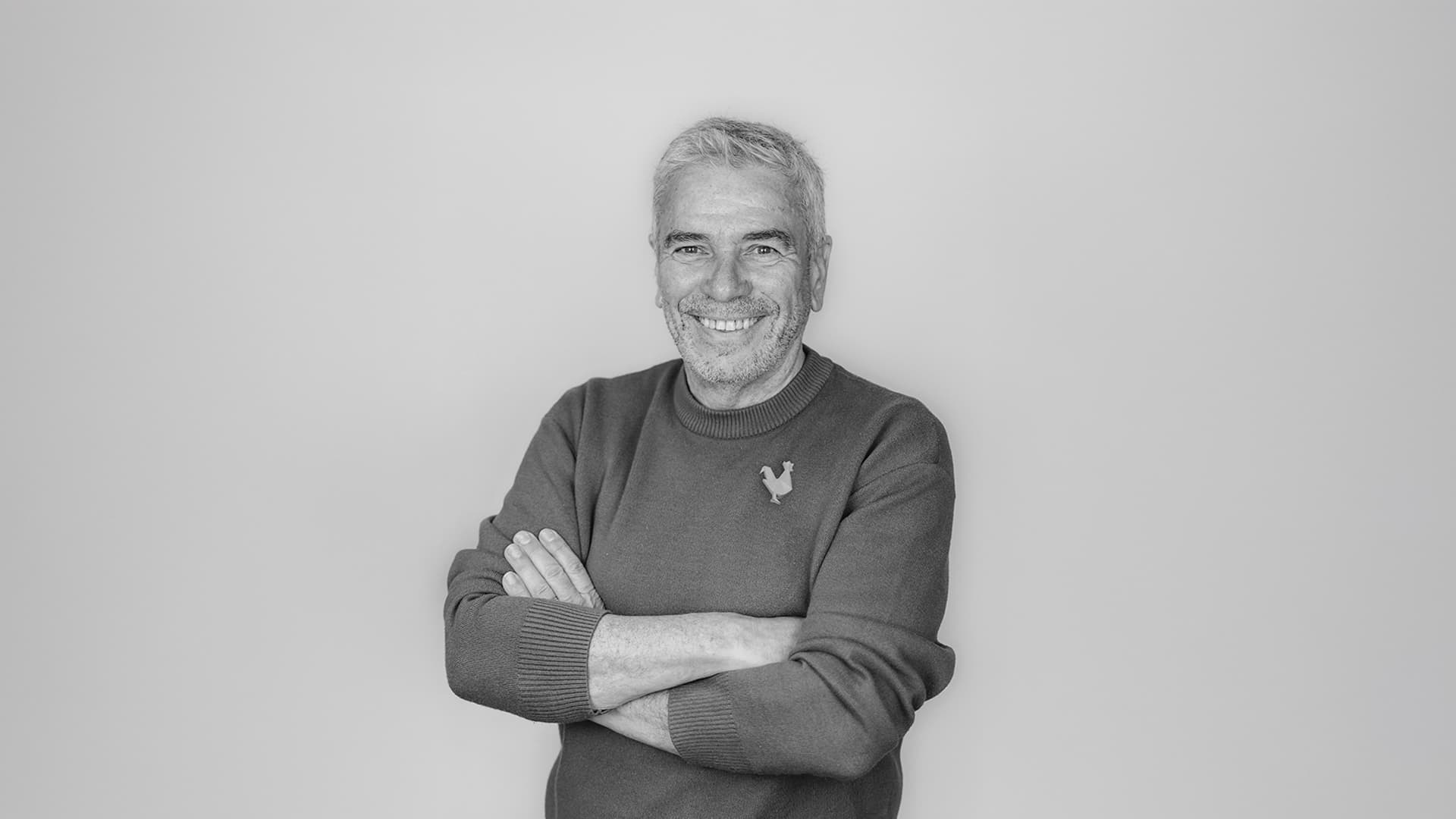
“In 10 years, we will put on our exoskeletons to work on difficult tasks, just like today we wear gloves or helmets depending on the activities,” predicts Pierre-André Foix. “So the idea was really to make a technology accessible, that doesn’t just stay in a closet, that is truly worn, all this concept that revolves around what we call usability, meaning innovation of interest, interesting only if it is used.”
Fox Innovation offers several types of exoskeletons to tackle the issue of MSDs, musculoskeletal disorders, which are the strains or pains related to repetitive movements, with or without load. We will look at whether we are putting more strain on the lumbar area or the scapular area, specifically whether we are dealing with back or shoulder problems, to equip ourselves accordingly.
All sectors are affected, where work is difficult or repetitive, including oyster farming, green spaces, early childhood, personal services, agriculture, and construction.
"It's everywhere the back is engaged, where there is a risk of injury, where there is wear and tear, everywhere there are notions of job retention,” specifies Pierre-André Foix. “But before job retention, there is the attractiveness of professions, as some struggle to recruit due to these issues.”
While workplace accidents tend to decrease, thanks to numerous safety standards implemented, MSDs are on the rise despite prevention efforts. Positions are becoming increasingly difficult, not to mention the extension of the retirement age.
“So the challenge of exoskeletons is to support the shortage of vocations in a sensitive profession, and also to accompany this inevitable extension of working time. And from a virtuous point of view, and this is somewhat one of the themes of CSR, it is about job retention so that when people retire, they are not just worn out by life and still have 10, 15 years to enjoy, that people live longer, but in good health,” concludes Pierre-André Foix.