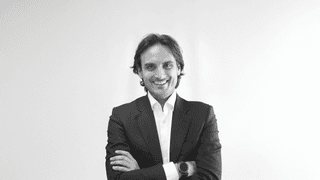
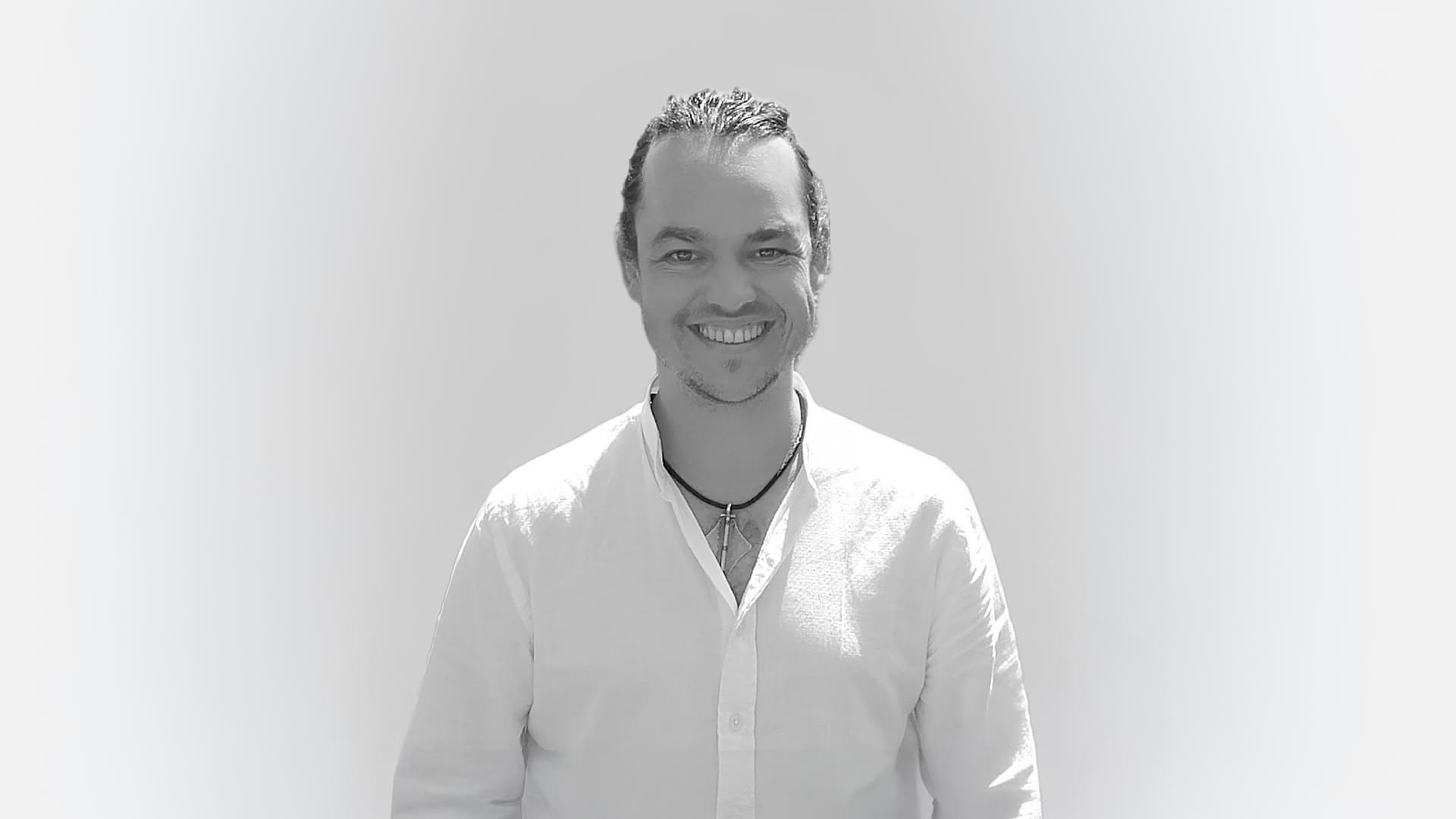
"Our mission is to offer readers concrete and original solutions for traveling differently, in a sustainable, ethical, and ecological way, and to introduce them to authentic and committed addresses and experiences,” announces Nicolas Breton.
Specifically, in the Tao guides, you will find a selection of ethical and ecological experiences for accommodation, dining, activities, as well as discovering initiatives for ecological and social transition, and opportunities for volunteering.
They are selected based on three main criteria: quality, respect for the environment, and benefits for local populations in social, economic, and cultural terms.
Beyond these good deals, there are also practical tips for preparing your trip, ideas for traveling in harmony with nature, living beings, and local populations, cultural articles to discover the destination, its inhabitants, its environment, its biodiversity, itinerary ideas, and information for traveling using soft mobility, meaning without planes or cars.
Two types of guides are offered: pocket-sized guides dedicated to a specific destination, such as Drôme-Ardèche, Corsica, or Catalonia, and larger cross-sectional guides, like the Tao France guide or the Tao Europe guide without planes, available in both paper and digital formats.
For each guide, the publishing house trusts a different author, always a specialist in their destination, to provide insider tips and good plans that only a local can know. The idea is to offer a journey based on encounters, sharing, and proximity, rather than consumption.
“The most important thing, if we want to reduce the impact of our travels, is to go closer to home or choose low-carbon transport,” emphasizes Nicolas Breton. Transport accounts for 70% of CO2 emissions in the tourism sector in France, according to a study by ADEME. These emissions are primarily due to travel by plane and car.
So to leverage practices, “I believe we really need to gradually reinvent our travel imaginaries, making them more sober while still desirable. For example, we can focus on experiences rather than destinations. Often, when we think about our next trip, we ask ourselves where we want to go. But we can instead ask what experiences we want to have. And that changes our approach to travel.”
“Because, by asking this question, it’s the experience that leads us to the destination and not the other way around. And the advantage of seeking experiences is that we realize what we want to live is often accessible in our own country. Our idea is to re-enchant proximity and try to find the pleasures of travel in slowness, in the unexpected.”
“Sustainable tourism has long been perceived as restrictive, and our goal is to show the opposite, that sustainable travel can be richer, more sensitive, and that the travel of tomorrow can be both more respectful and more exciting,” concludes Nicolas Breton.