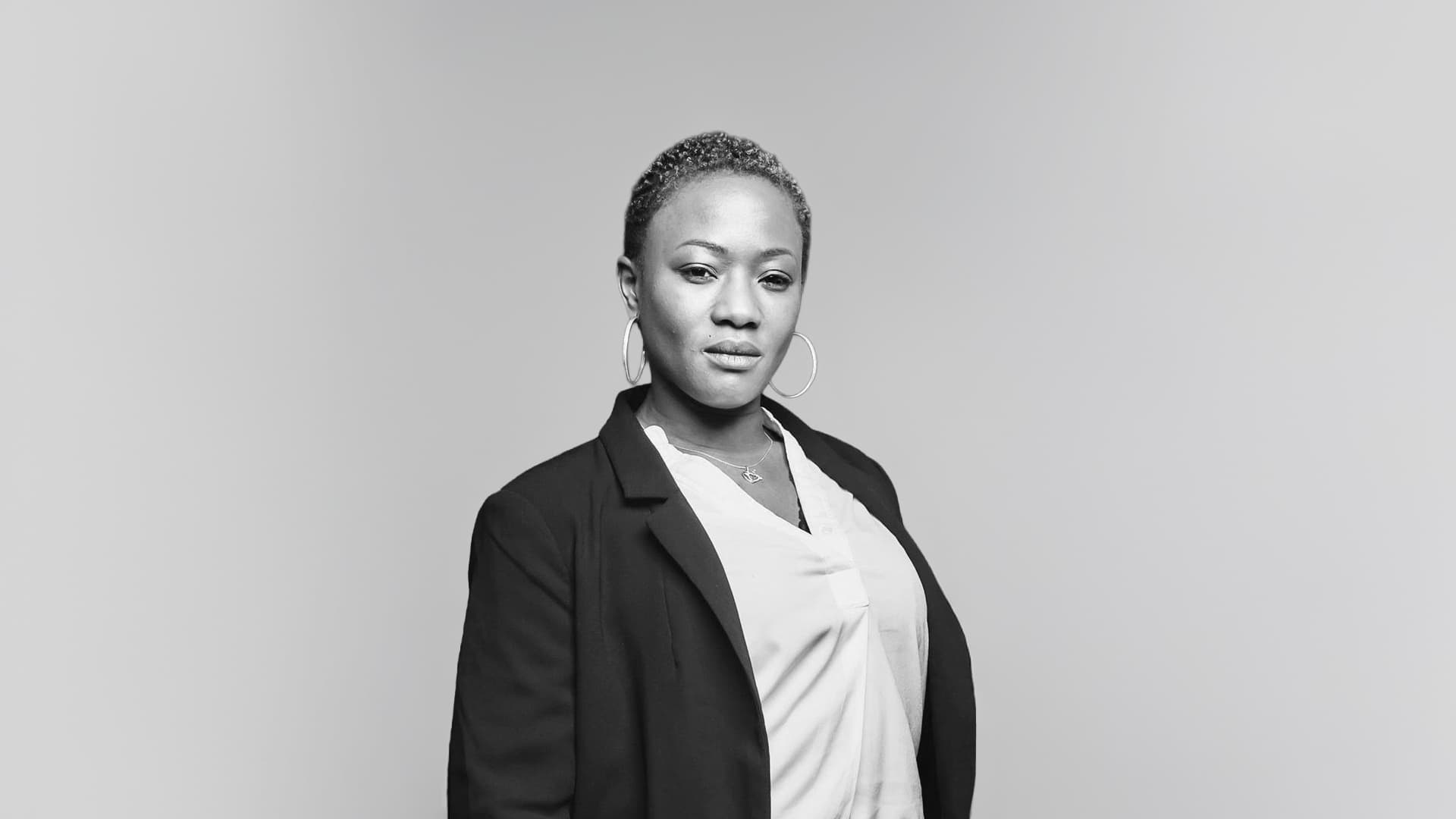
“So'Parks is named after Rosa Parks, a figure who inspired us greatly, who changed the world without realizing it. She simply decided that she didn't want to sit at the back of the bus. So, So’Parks is about saying, if you want to sit in the middle, at the back, or at the front, that's OK. The idea is just not to remain stagnant,” explains Aminata N'Daye Massengo.
And So for Social, meaning going wherever there is a social need, engaging with residents, professionals, and then redirecting to common rights when they exist, at least when they meet the needs.
The niche of So'Parks is to facilitate times, places, and exchanges between people, offering safe, welcoming spaces where various themes can be addressed, according to four axes: education, integration, citizenship, and parenting.
"And we are precisely going to harness collective intelligence, exchange ideas, and provide expertise when needed. The idea is really for people to reconnect and put humanity at the center,” emphasizes Aminata N'Daye Massengo.
So’Parks will target individuals, but especially institutions and associations. It will offer its services so that they can provide residents with spaces, workshops, and coaching.
"We also work a lot with professionals on posture, outreach, and how to welcome families, conducting introspective work to better understand how to support others,” notes Aminata N'Daye Massengo.
"What is interesting is that the first step is to raise awareness. During exchanges and workshops, we have young people who become aware of certain issues they attribute to others outside. In discussing, they realize that sometimes the problem may stem from a posture or their relationship with themselves. What is within our reach? What can we change ourselves, initially? And not necessarily wait for change to come from others.”
"Finally, the idea is also to work on this ambient atmosphere of distrust and blame, which is not very welcoming, and to acknowledge that we may not share the same ideas, we may not aspire to the same things, but we can still communicate, we can dialogue, we can even understand each other. And then, it's about how we can bring forth solutions for the person to seize and take their path, simply, and not remain stagnant,” concludes Aminata N'Daye Massengo.