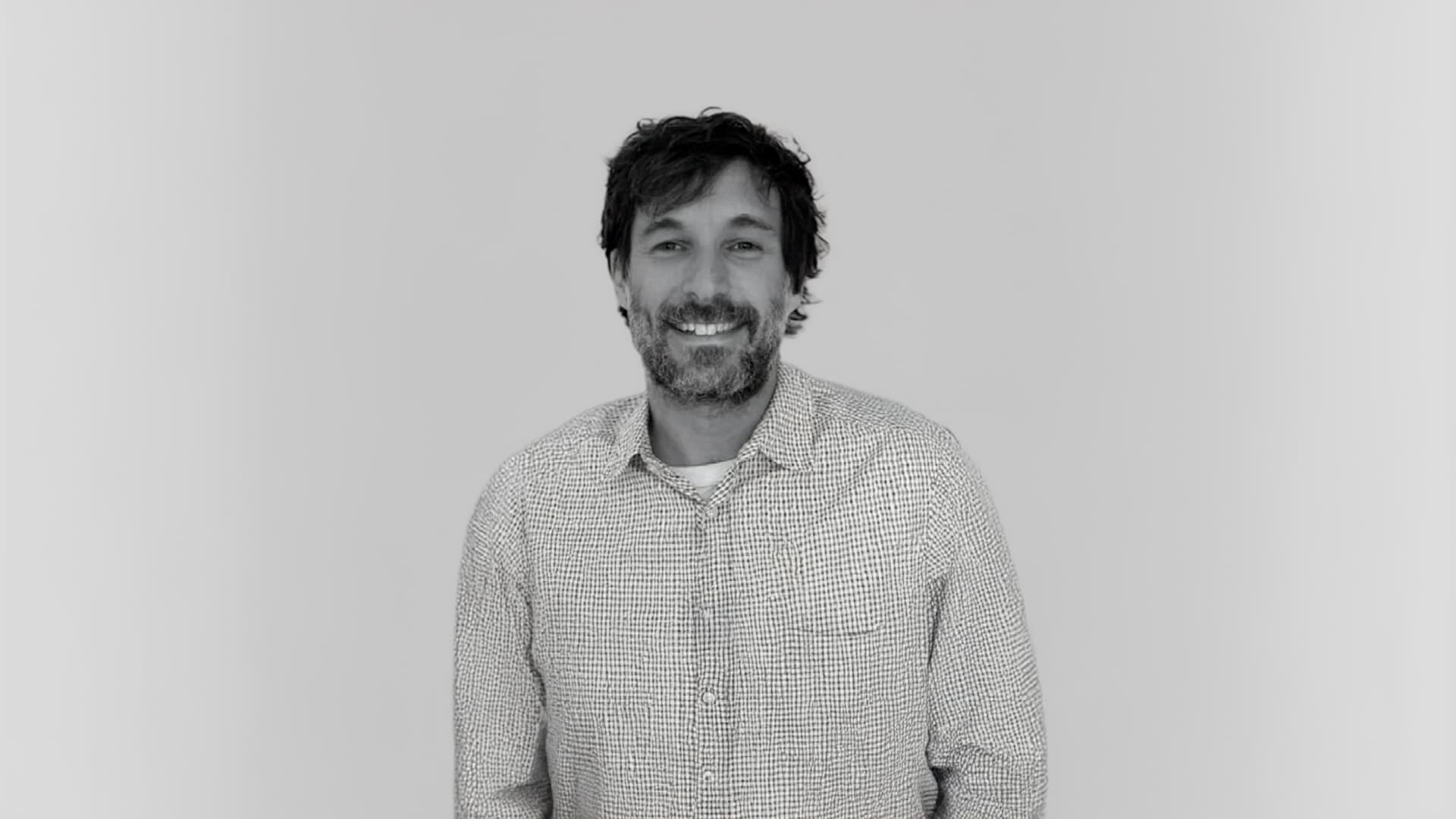
"How can we live together while being all different and ensure that everyone has the chance and the right to thrive, to have a voice, to have a place?", questions Simon Houriez.
“So we work on transforming spaces, experiences, and content to make them more accessible to people with disabilities. But also, and perhaps more importantly, we work on transforming the dominant society's appropriation of the principle of diversity, meaning that the person who arrives with an atypical need, with an unresolved issue, sheds light on a path of progress, of improving collective experience.”
The vision advocated by Signes de Sens is thus one of innovation through disability or diversity, which is more concretely manifested through actions of designing tools, practices, resources, or supporting stakeholders to help them transform proposals.
This can be exemplified by making buses more accessible, working on the access path to information on a museum's website, or collaborating with schools on inclusive practices, focusing on pedagogy and welcoming children with disabilities in classrooms.
Who knows that SMS was originally implemented in mobile phones for the deaf? Today, they are no longer the dominant users. In fact, there are more text messages exchanged than time spent on phone calls. This usage for a particular group has ended up overshadowing the obvious use of a phone for hearing individuals, which is to talk to each other. The same goes for subtitles in movies and series.
Signes de Sens will help private actors, such as companies, and the medico-social sector to meet by creating spaces for dialogue and mutual understanding, allowing projects to emerge that will advance accessibility or inclusion.
“For me, these are the blind spots in the question of accessibility. Each time, it is a dominant population wondering how it can bring the right message to a marginalized population. Inclusion is primarily about remembering that we have a common project, which is to live together. The problem is that we want to give to disability, instead of investing in disability, investing in the other,” concludes Simon Houriez.