
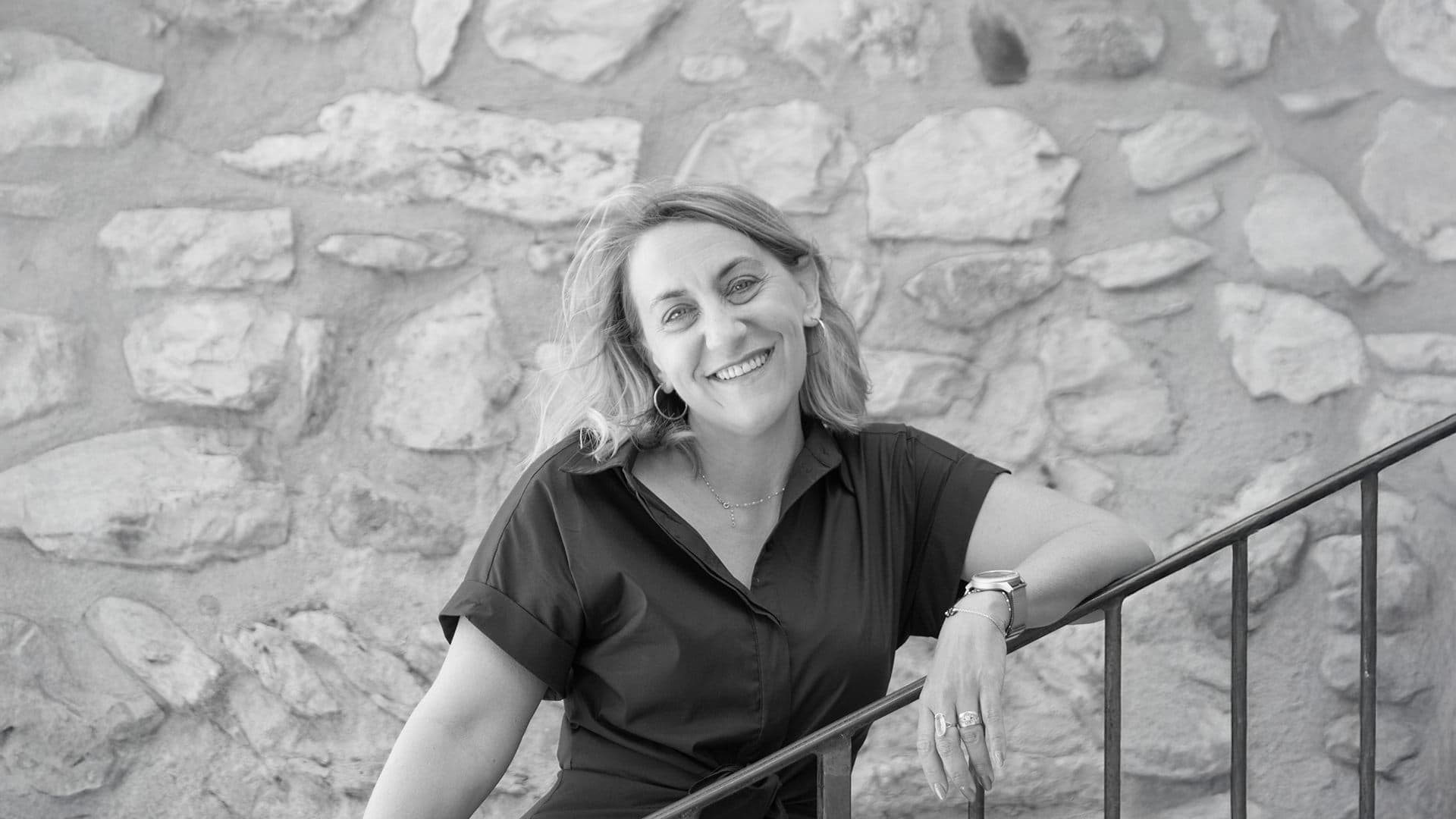
When leaving a situation of violence, one of the most important questions is where to go. “And we have this issue even more because in rural areas, not all information is as accessible as in big cities,” explains Sandra Barba. “We don’t have signs inviting us everywhere to call 39 19, 115, or to contact the gendarmerie. We face isolation issues, but we also have transportation problems. Here, without a car, you can’t do much.”
Moreover, in a village of 6,000 inhabitants, like the one hosting Transition'Elles, everyone knows everyone, including the local gendarme and the mayor. “So, there is a culture of shame and secrecy.”
To break this isolation, the association has decided to reach out to these women wherever they are, communicating extensively on social media, with businesses, in schools, bakeries, social grocery stores, in collaboration with the gendarmerie, CCAS, and town halls.
They also organize events, such as a contemporary art fair in the village, instructing artists to present at least one work on the theme of women, or gathering around 300 motorcycles for a clapping event in the central square.
The idea is to open the debate, but also to give a voice back, to restore confidence and dignity to these women. First, in the common areas of the shelter, “so they can start talking again, see that they can be appreciated, that they have the right to be happy, to smile, to make others laugh, that they are not crazy, as they have been told. We work a lot on self-image and rebuilding confidence,” says Sandra Barba. “They need to relearn how to be themselves, to choose, to take back control of their lives.”
A message to hammer home, even if it requires bold actions, even if it means “getting right into it.” “I think we are still dealing with deeply rooted stereotypes in rural areas, and we are trying to change things in every possible way,” concludes Sandra Barba. “It’s the recurrence of information that helps to instill a different perspective in people’s minds.”