
Stone Soup was born from the conviction that the social economy sector needed the tools of the consulting world without giving up its values. At a time when the words “consultancy” and “social” could hardly go together, its founders decided to create a hybrid structure: neither a non-governmental organization (NGO) nor a conventional company, but a social enterprise. This social enterprise has a parasocial agreement that limits dividend distribution and narrows the internal wage gap.
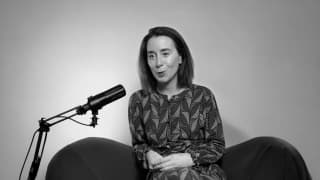
Today, Stone Soup supports organizations in building social programs, designing financial sustainability strategies, and strengthening their organizational capacity. However, its core activity is impact measurement. That’s why Sophie Robin understands well the mistakes that the sector continues to make. One of them is confusing activity with impact. Another mistake, even more common in recent years, is the reverse problem: organizations that measure with such detail and rigor that they no longer know how to simply communicate what they do or the lessons they have learned.
“There is a tendency to measure my impact, what I do, but in reality, we are working in systems. Now this notion of collective impact is emerging, and we need to move towards that, not focus on our own navel because we are not working in silos. What we do affects other sectors,” argues Robin.
In collaboration with