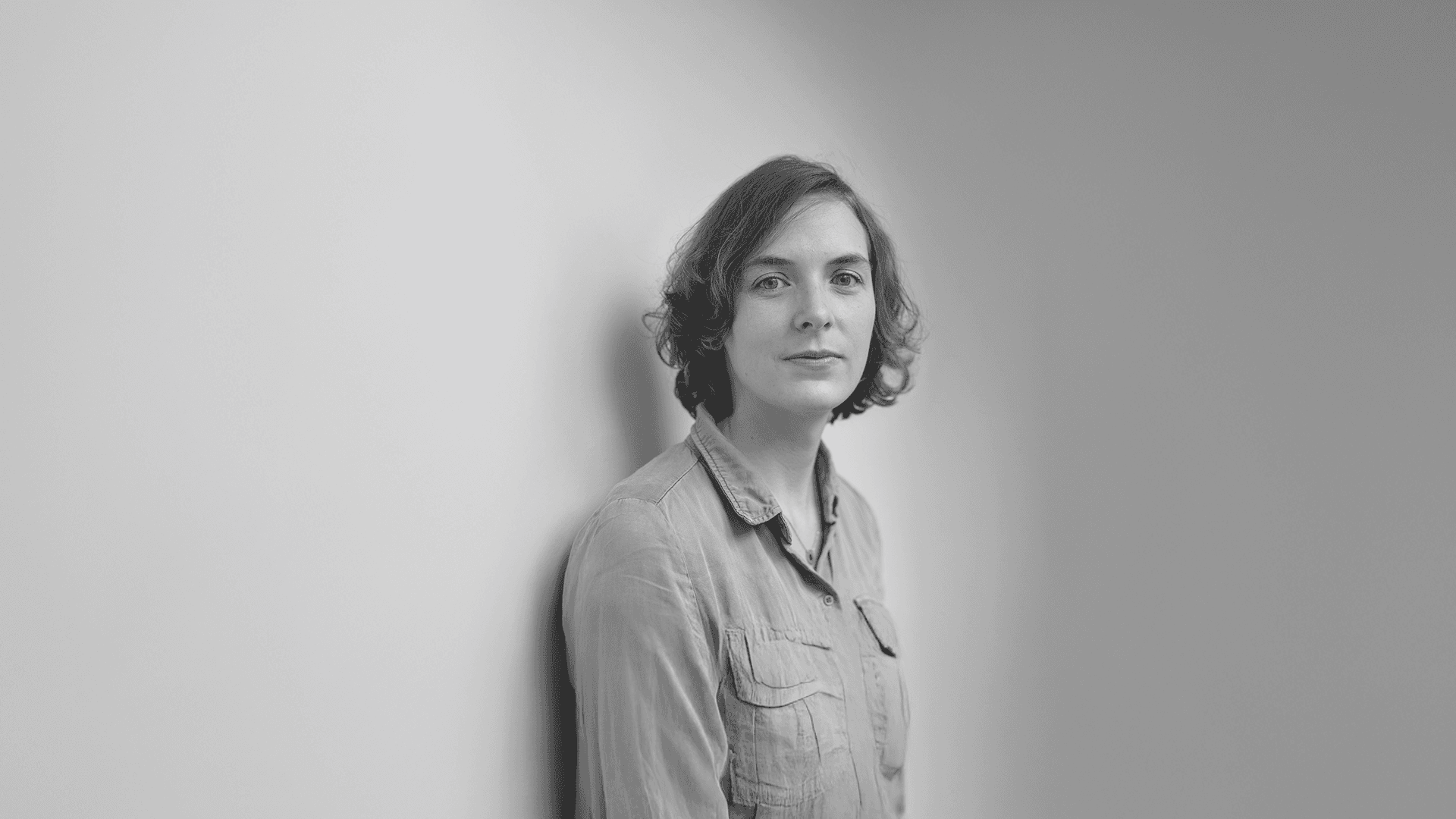
"At Secours Catholique, what we care about is truly placing the participation of the people we support at the heart of our action and strengthening everyone's capacity to act together,” explains Daphné Chamard.
Among the various forms of action, there is support for access to rights, learning French, parenting support, as well as addressing energy poverty and access to dignified food.
Another lever for action is advocacy, raising awareness among the public and especially among policymakers to propose long-term solutions to address the root causes of poverty.
This positioning has been enriched for over a decade by an ecological approach. "Thanks to our network of international partners, we have been alerted for more than 15 years to the consequences of ecological disruptions for the most vulnerable. In Bangladesh with the floods, but also in Africa with droughts or the issues of deforestation for indigenous peoples in the Amazon. We have understood that the ecological transition is imperative to fight against inequalities and to protect the most vulnerable, in France and elsewhere.”
In concrete terms, this is embodied in projects, for example, around food with solidarity grocery stores, partnerships with local producers to access organic baskets. “We will also advocate for an ambitious reorientation of food and agricultural support policies so that they serve health, the environment, farmers, and the most vulnerable households.”
Regarding mobility, this can also take various forms. For example, bike workshops with bike donations and learning to ride a bike. But also solidarity transport schemes, local mobilizations around accessible school transport for children.
Not to mention the international program called “Resilience Community,” in partnership with the French Development Agency, which supports 15 countries in various agroecology and indigenous peoples' defense projects.
“And I believe that the exchange between what the so-called Southern populations experience and what we experience here is essential,” insists Daphné Chamard. “This invites us to have a common reflection and to realize that the decisions we make here have an impact there and that what we are experiencing, others are also experiencing elsewhere. So it’s about participating in making the world fairer, more fraternal, but not just for our small territory, for the entire planet.”