According to estimates, between 15 and 20% of the global population exhibits some form of neurodiversity. This includes conditions such as autism spectrum disorders, attention deficit hyperactivity disorder (ADHD), and DYS disorders. Yet, despite their presence across all sectors, neurodivergent individuals remain largely invisible in the professional world.
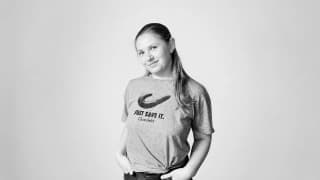
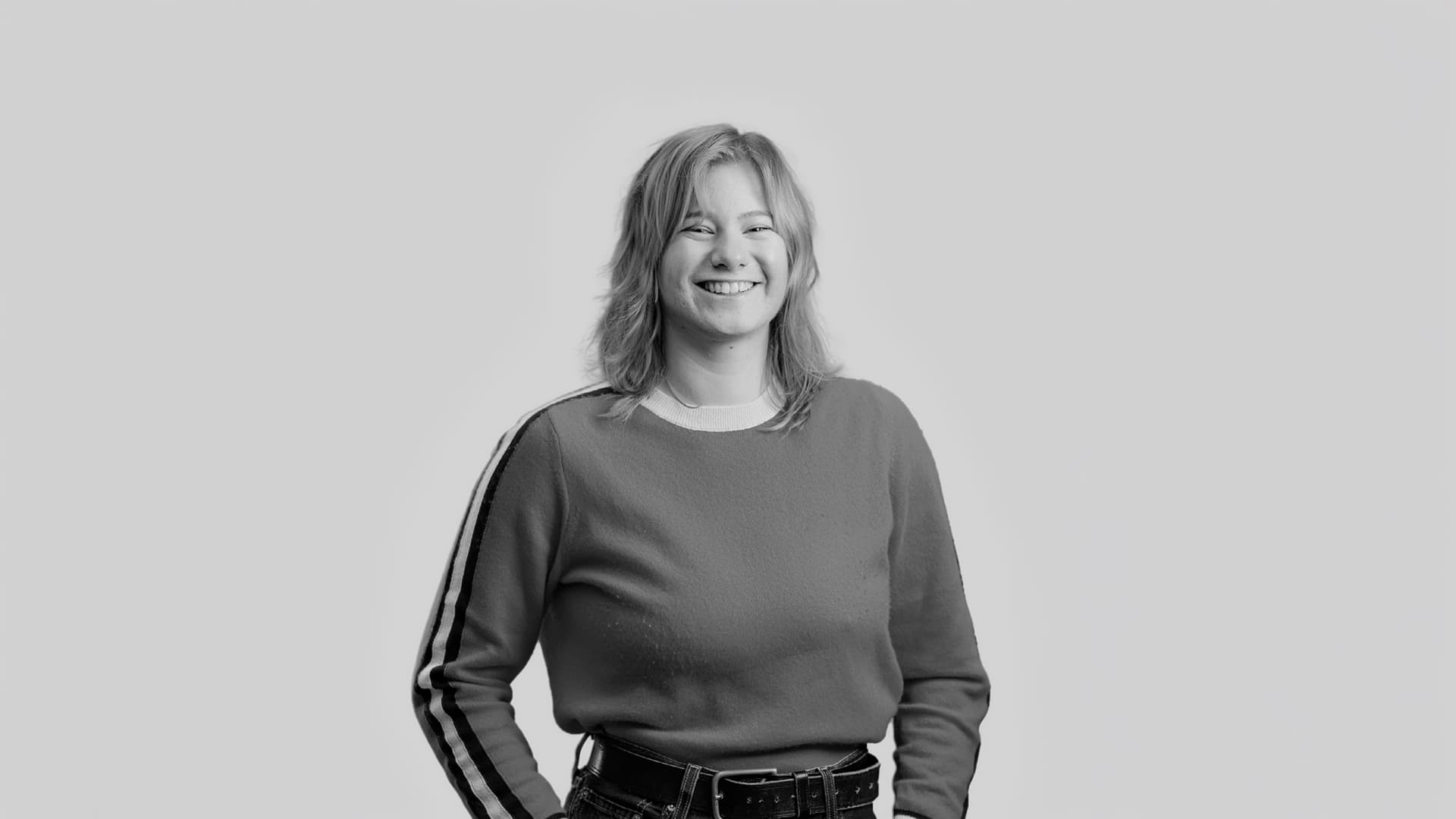
“Being neurodivergent means navigating a world that hasn’t been designed for our way of functioning. Very often, we spend our time adapting to codes that are not our own to appear as ‘normal’ as possible,” explains Mara Staub. This constant adaptation, often referred to as “masking,” involves learning and mimicking socially expected behaviors to avoid judgment or exclusion. It is a daily effort that requires considerable energy.
In response to this reality, Autypik was created with a dual mission: to facilitate employment access for neurodivergent individuals and to help companies create more inclusive work environments.
The company currently supports over 35 organizations through awareness-raising activities, training for human resources and managers, and workshops aimed at revising certain internal processes.
“The first step is to deconstruct preconceived notions. Many companies already have neurodivergent employees on their teams, but these individuals may not feel comfortable discussing it for fear of being stigmatized or misunderstood,” emphasizes the founder. For Mara Staub, neuro-inclusion should not be limited to a few individual accommodations. It primarily requires a comprehensive evolution of management and organizational practices. More flexible hours, better-documented processes, clearer communication, and adaptation of work methods are all changes that benefit not only neurodivergent individuals but all employees.
“Everything we implement to better include neurodivergent individuals actually improves the functioning of the entire company. We often see better communication, increased well-being at work, and enhanced collective efficiency,” she asserts.
The core of Autypik's activity also lies in its recruitment platform. This platform offers a different approach from traditional methods, which are often deemed too focused on social codes and interpersonal skills. Job postings are presented in a more detailed and explicit manner, while candidates can highlight their skills, needs, and ways of functioning without necessarily adhering to the usual formats of resumes and traditional interviews.
To accelerate change on a larger scale, Autypik has also launched Autypik Inclusion, the first fund dedicated to neuro-inclusion in the workplace. The goal is to finance educational tools, awareness-raising actions, and accessibility measures for a wider audience.
“Neuro-inclusion is gaining traction in public discourse, but it now needs to be made concrete and accessible. Some tools should be considered public goods and not solely dependent on the financial means of companies,” concludes Mara Staub.