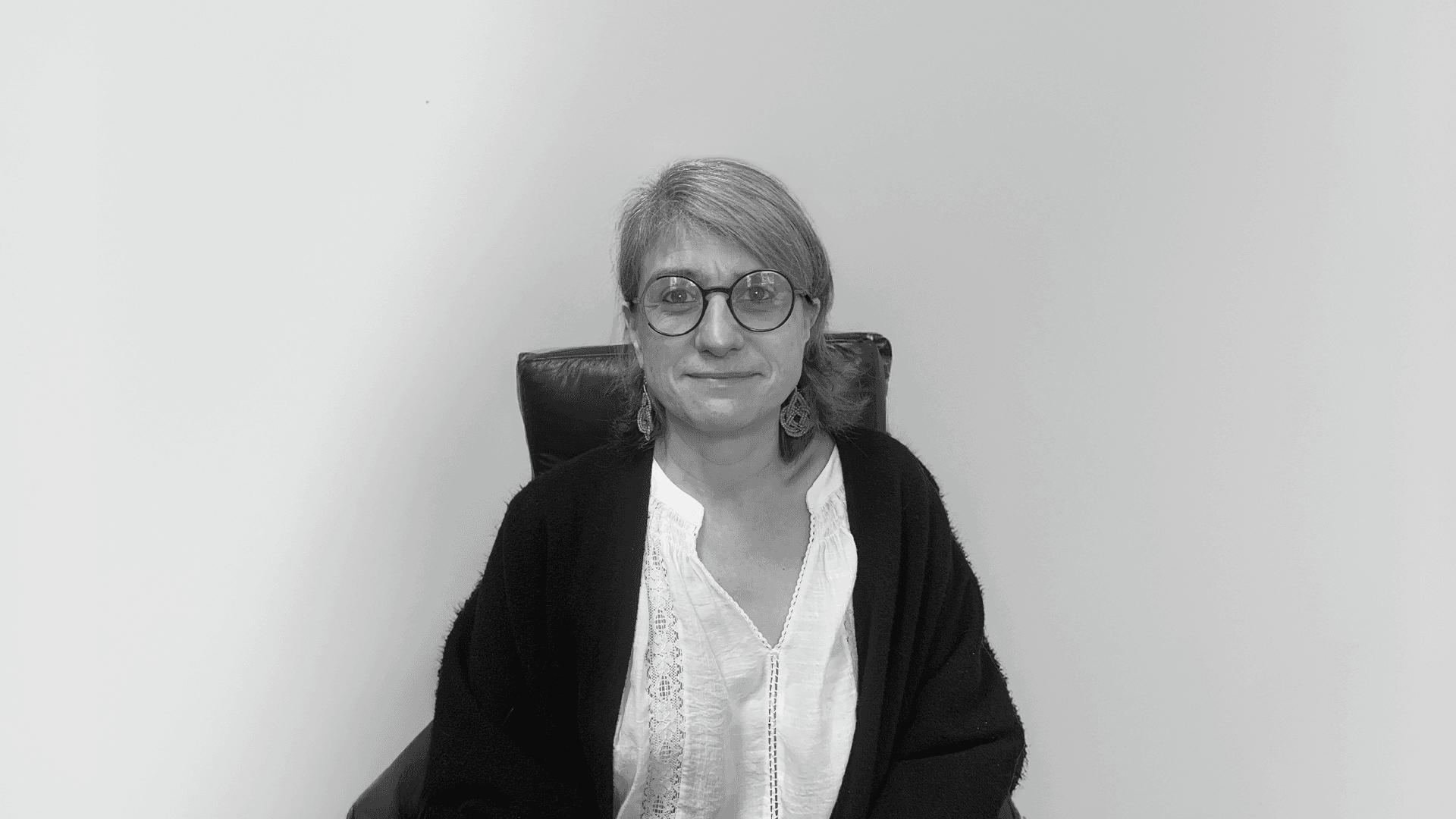
“The major difficulty in identifying victims of exploitation lies in the fact that the problem is inherently very invisible, as it involves criminal activities. By definition, it is clandestine,” explains Bénédicte Legendre.
However, several factors contribute to fostering these criminal practices, particularly for foreigners. It is the difficulty in obtaining a legal residence permit and a work authorization. A worker without a work permit will be subject to the power of the person providing them with work.
Other groups are affected, such as homeless individuals or those recently released from prison, as well as young people in vulnerable situations. Growing up in a difficult family environment, possibly with violence or sexual assaults, also plays a role. Additionally, the expansion of social networks and easily monetized sexual practices contributes to the issue.
The work of Ruelle will focus on identifying victims and helping them become aware of the severity of what they are experiencing. This identification work will take place through access to care services in hospitals, gendarmerie services, police services, CCAS, town halls, MDSI, by common law social actors, possibly lawyers, or through social welfare children's homes and child protection systems.
The support will occur in two phases. First, by providing shelter, distancing the victim from the perpetrator, helping them find accommodation, and accessing resources for food. Then, the work will focus on helping the person to rebuild connections.
“Helping them to navigate towards the job market, of course, when possible—and it often is—but also towards society, towards leisure activities, sports, pottery, whatever, in order to find anchor points where the person can have a social existence that not only brings them comfort and quality of life but also protects them from these controlling relationships,” concludes Bénédicte Legendre.