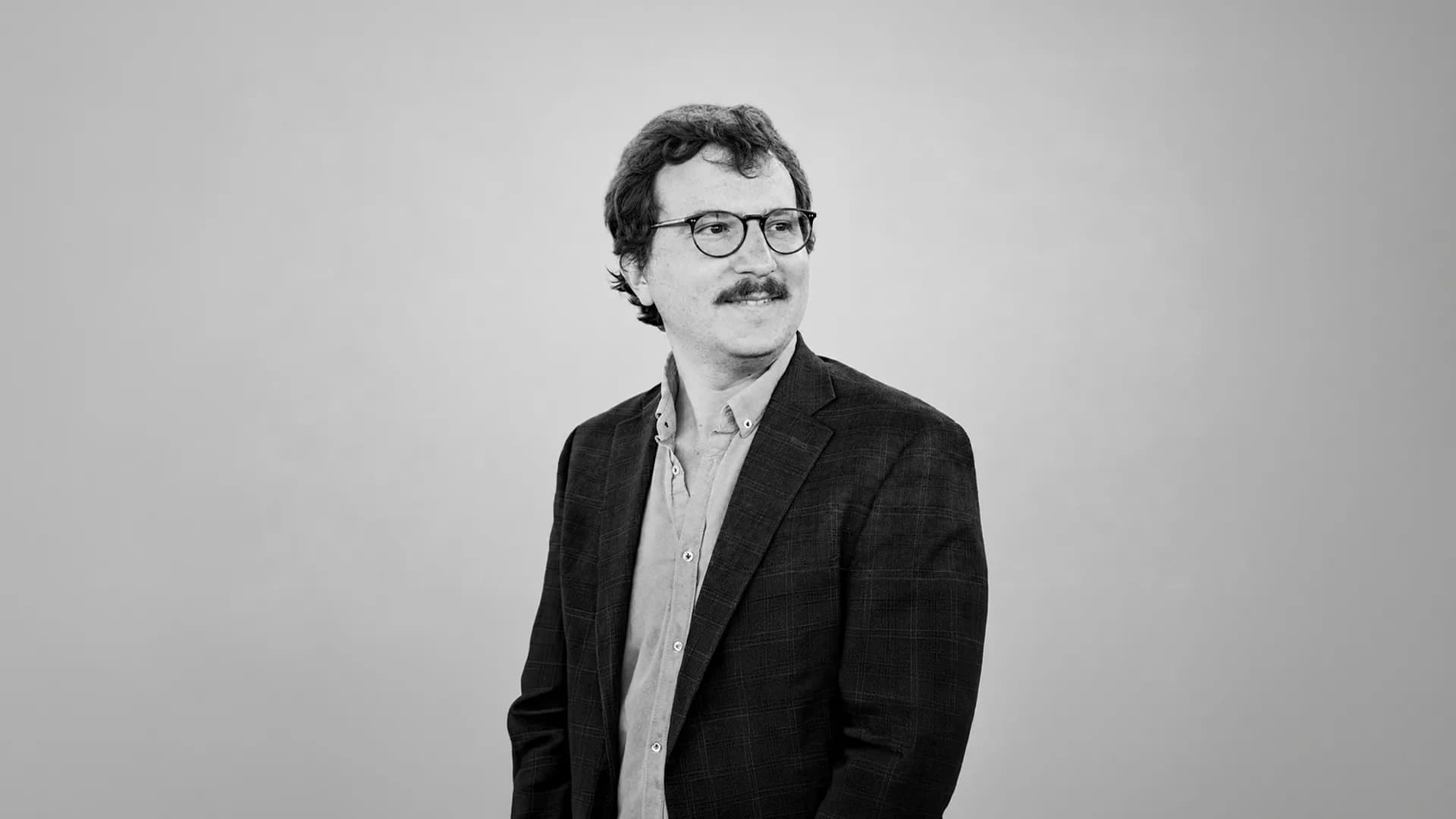
« The profession of farmer is really difficult; they work 80 hours a week, have no vacations, no weekends, and earn poorly, even very poorly,” noted Paul Charlent.
Born from the observation of the challenges in the profession, La Ferme de l'Envol guarantees its farmers a net income of 2,600 euros per month through a cooperative that secures production and brings together producers, local authorities, restaurateurs, AMAP, and citizens.
Beyond the social dimension, Fermcoop focuses on autonomy in water, seeds, and inputs, while developing mixed farming to limit environmental impacts. « Our farm does not pollute; we do not pollute water, we do not pollute soils, we enhance biodiversity,” explains Paul Charlent.
A model that demonstrates that another form of agriculture is possible, provided we integrate the real costs of our production methods. « And if we did a bit more of all this, perhaps society as a whole would be a bit better off, at least regarding our food,” concludes Paul Charlent.