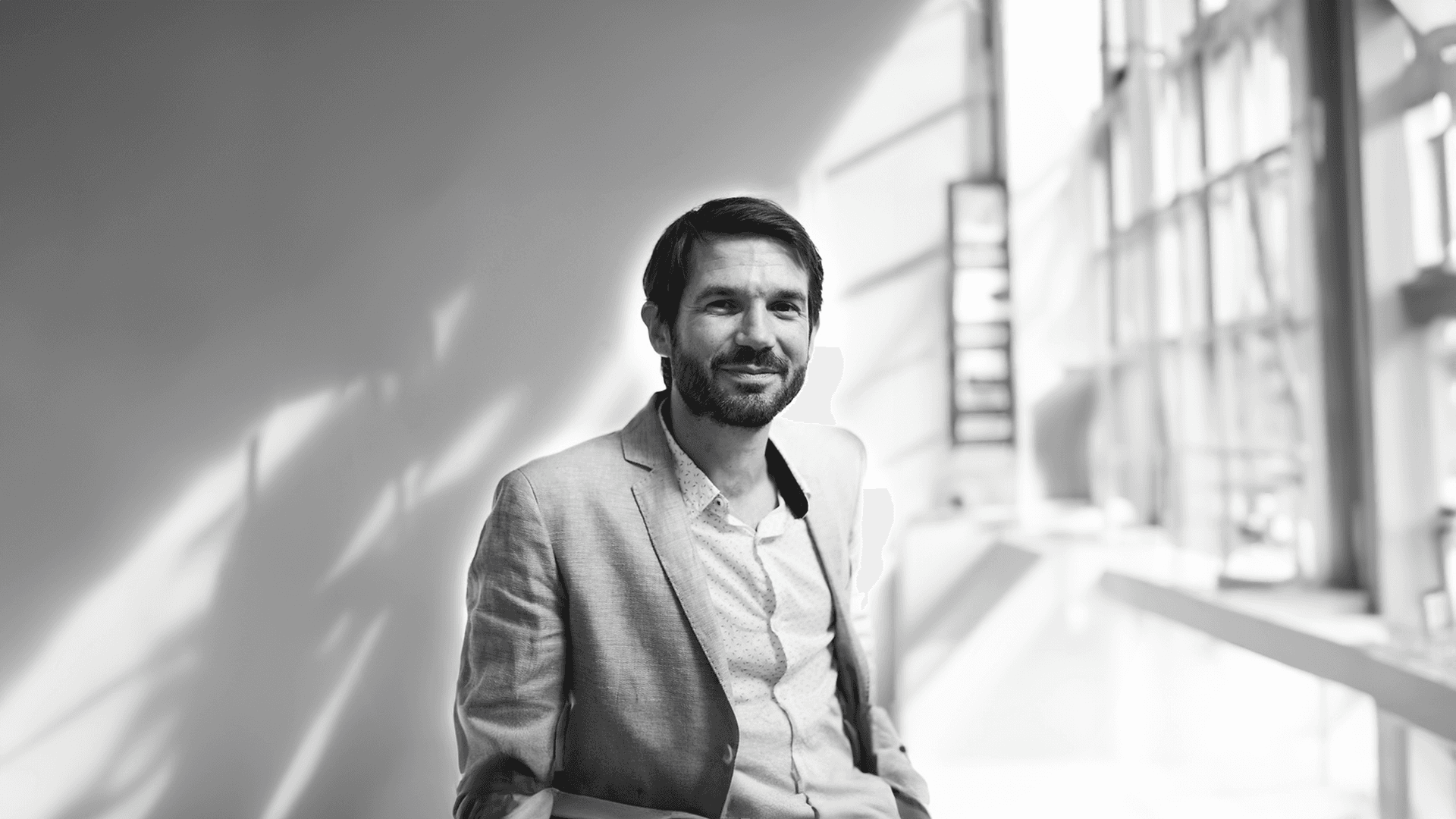
“Buying a refurbished product means avoiding 50 kilos of CO2 and saving 170 kilos of raw materials,” our guest Benoît Varin explains seriously. When he founded Recommerce with his partners in 2009, refurbishment did not have the same significance as it does today.
Consuming refurbished items - phones, computers, headphones, etc. - has become much more than just an economic gesture. In fact, it offers a multitude of advantages, particularly by reducing electronic waste and carbon footprint through the reuse of existing components - preserving natural resources - while also ensuring the quality of products restored by professionals.
The impact is such that the difficulty in encouraging people to consume differently is hard to understand. Yet, as Benoît Varin explains during this interview, our consumption patterns still need to evolve.
Our guest also discusses the important role of companies in this change and evolution, and how, through this consumption model, they have developed the most efficient circular economy business model on a global scale.
Through concrete examples, Benoît offers listeners the opportunity to reconsider their consumption habits while learning why this can positively shift the lines.