translate This article was automatically translated from its original Español version. Read the original
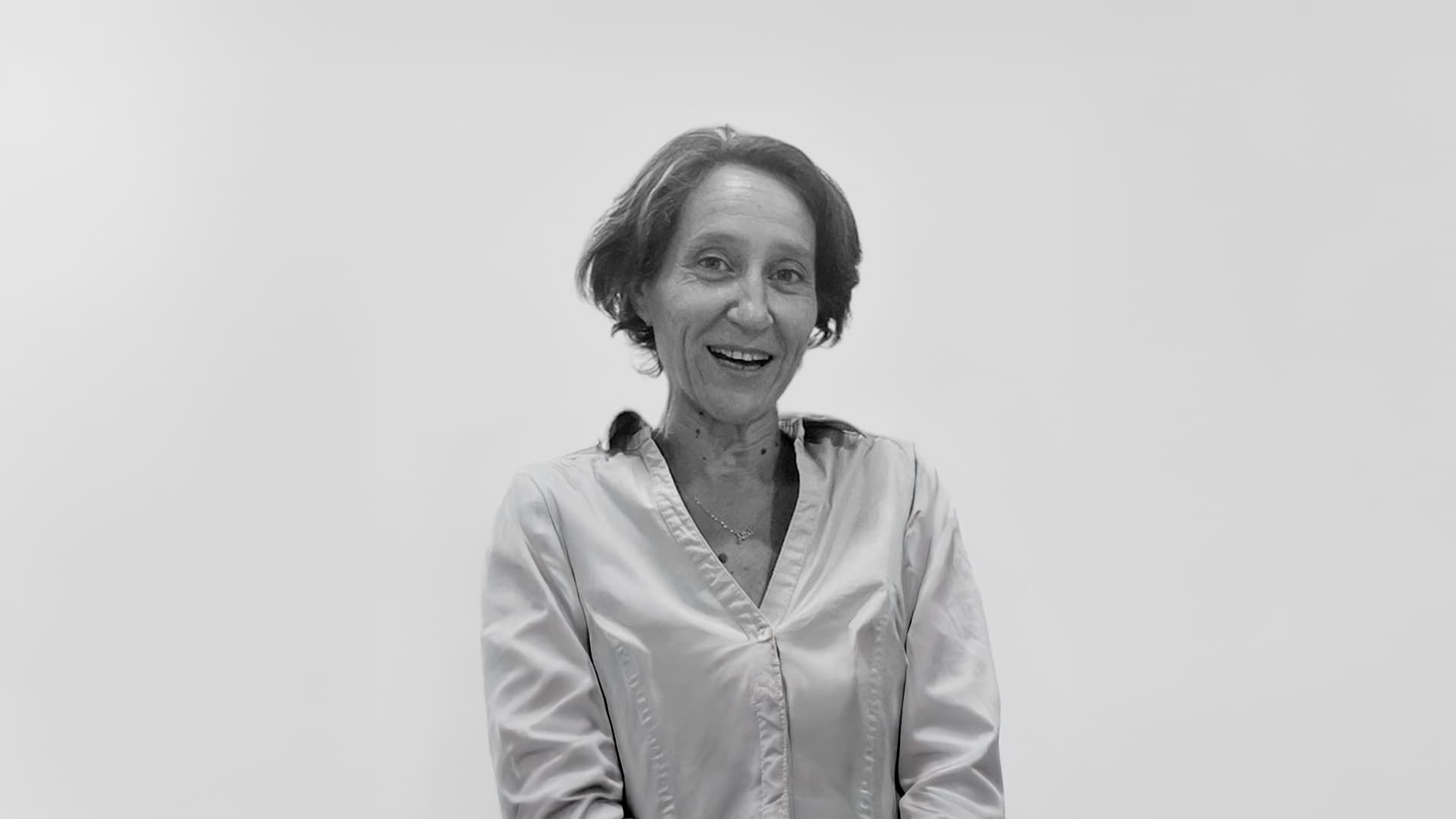
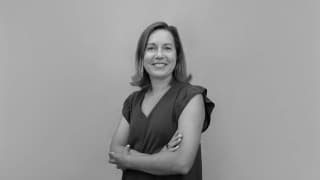
Alba Coma is the manager and promoter of Cartaes, a social insertion company based in Tàrrega that combines waste management with job creation for vulnerable individuals.
impact.info
Listen to the testimony of Alba Coma, manager and promoter of Cartaes.
María Díaz Valderrama
impact.info journalist
Published on 20 August 2026
Photo credit — Cartes
Transcript Audio in Español — text automatically translated· AI-generated transcript
0:00 Impact.info, another way to start a business. 0:07 Good morning. 0:09 Welcome to the podcast for entrepreneurs 0:11 who want to change things, 0:13 starting with their own companies. 0:15 Companies like Cartaes, 0:17 that demonstrate that the circular economy 0:19 can generate inclusive employment and transform communities. 0:24 Hello, my name is Alba Coma, I am the manager and promoter of Cartaes, 0:28 I am 49 years old and I was born in Tárrega. 0:31 To start, tell us briefly what Cartaes is 0:34 and what your main mission is. 0:36 Cartaes is a social insertion company. 0:40 Let me explain what a social insertion company is. 0:42 We are a company like any other, 0:45 with an economic activity. 0:46 Ours is to produce goods and services 0:49 related to waste management and the reuse of it, 0:54 promoting a real circular economy. 0:57 But we have a social objective, 0:59 which is to insert into the labor market 1:02 people who have been excluded from the ordinary labor market. 1:05 These are people with very complex life trajectories 1:09 and we offer them a contract, 1:12 a job in a real work environment, 1:15 with support, assistance, and training. 1:19 They can stay in our company for a maximum of three years 1:22 and when they are ready we prepare them 1:25 to positively transition to the ordinary labor market. 1:30 So, our ultimate goal 1:32 is the insertion of these people into the ordinary labor market. 1:36 How did the project start? 1:37 Was there a social need that you saw needed to be addressed? 1:42 Social insertion companies, as the law that regulates us states, 1:46 must be promoted by social entities. 1:48 We were promoted by Cáritas, Tárrega, 1:52 that is the entity that promoted us, 1:54 and the story is very beautiful, 1:55 because in the end it has been driven by civil society. 1:59 It was a person from Tárrega, an elderly lady, 2:01 It was called Emparse Garra, 2:02 which gave money to Cáritas to create jobs 2:07 for people at risk of exclusion in the city of Tárrega. 2:10 The Board back then came to look for me 2:13 to create this project from scratch, 2:15 and, obviously, I responded to a social need in Tárrega, 2:20 in the territory, 2:21 since back then, we started in 2011, 2:25 in the area where we operate there was no company 2:29 that generated jobs for people at risk of exclusion. 2:33 We started in 2011 with the people we worked with, 2:38 there were two people at risk of exclusion, one contract, 2:41 and six structural people, 2:42 and by 2025 we have an average of 35 people 2:46 with insertion contracts and we are 11 structural people. 2:50 So, the project has been growing 2:52 and responding to a social need in the territory. 2:55 Cartaes combines two missions, 2:56 socio-labor insertion, as you mentioned, 3:00 and the management, the reuse of waste. 3:04 How does this dual objective align in your daily model? 3:07 The goal, as you say, is socio-labor insertion, 3:11 socio-labor insertion is done with contracts, 3:14 and contracts have to be paid, 3:15 therefore we need an economic activity. 3:19 We do this through comprehensive waste management 3:22 and everything known as circular economy, 3:25 we work with all types of waste. 3:29 The main activity and the golden goose 3:34 is that we manage the clean point of collection, 3:37 where we collect all the waste that the people of Tárrega do not want. 3:43 It is worth noting here that one of the management activities of the clean point 3:47 is through a reserved contract, 3:49 that is, the town hall of Tárrega pays us to manage the clean point, 3:54 this is already an important source of income for Cartaes. 3:57 But in addition, we focus on waste 4:02 that has greater potential for reuse 4:05 and an opportunity to sell in our second-hand store. 4:10 With this whole process, from the collection of these waste at homes, 4:14 we also offer the transportation service, 4:17 its management and treatment, 4:19 its preparation for reuse and sale, 4:22 we generate these jobs. 4:24 We focus a lot on waste that has reuse potential, 4:29 such as textile waste, bulky waste, and appliances. 4:34 Right now we are in a moment of economic model transformation. 4:41 The linear economy, dominant until now, 4:45 is being strongly questioned 4:47 due to the dependence on non-renewable resources, 4:50 giving way to the circular economy, which is what we promote, 4:56 slowly transitioning, and not as quickly as we would like. 5:01 But we are in a moment where the circular economy is trendy. 5:05 We started generating 150,000 euros in our activity 5:10 and we are now generating one million euros 5:13 through our waste management activity. 5:16 The people who come to shop in our stores, 5:18 at first were people without resources, 5:21 now they are people with economic resources, 5:24 but with environmental sensitivity. 5:26 Before buying, they think and buy second-hand products 5:31 that are of perfect quality and contribute to the environment. 5:36 How great. 5:37 And in your labor intermediation service, 5:40 you offer personalized pathways for each person with difficulties. 5:46 I wanted to ask you what those key moments are 5:50 that allow a person in a vulnerable situation 5:53 to move towards stable employment. 5:55 We always start from the situation each person is in. 5:59 The people who follow a pathway do not go in a straight line. 6:06 You can hire a person, 6:09 they are productive, the company works very well, 6:12 something happens in their life, 6:15 they lose their way, lose their home, face eviction, 6:18 this is what happens to us day to day, 6:21 gender violence, something vital happens in their life, 6:24 and then it sets back their pathway. 6:27 We create flexible pathways, 6:30 where the person is the protagonist. 6:32 And with the person, we set 6:35 where they want to reach professionally. 6:38 Throughout this process, we accompany this person. 6:42 We offer them transversal training, 6:45 from computer literacy, 6:48 job search techniques, social skills, 6:51 professional training in waste management, 6:54 warehouse, transportation, and also regulated training. 6:59 I want to get my forklift license, 7:01 I want the food handler's license, 7:02 I want the leisure monitor license. 7:04 Depending on where they want to direct their professional career, 7:09 we train them to achieve their goal. 7:15 We are talking with Alba Coma, manager of Cartaes. 7:19 I also wanted to ask you 7:20 how you balance the social nature of the company 7:24 with the need, ultimately, to generate income 7:28 and compete in the recycling market. 7:32 What added value do you offer 7:34 compared to other companies in the waste management sector? 7:39 I start with the added value we offer. 7:41 Insertion companies have demonstrated, and among them Cartaes, 7:46 that another way of doing business is possible. 7:49 Putting people at the center, 7:51 offering quality employment 7:54 and, in addition, contributing to the economic 7:58 and social development of the territory where it operates. 8:00 On the other hand, this balance you mentioned, 8:03 between the social and the economic, 8:05 I always, when I talk about insertion companies, 8:07 like to make the parallelism, 8:09 that we are like a catamaran, we have two hulls, 8:12 the social and the economic, and the economic activity, 8:15 and we have to find the balance, 8:17 otherwise we drown in the depths of the sea. 8:20 As for the social aspect, 8:24 it is true that insertion companies 8:26 receive support from the public administration 8:29 in the form of subsidies, 8:31 but this support is by no means a privilege, 8:35 but rather a basic and necessary tool 8:39 to ensure our competitiveness. 8:41 with the open market that operates in our same sector. 8:46 Impact.info, another way to start a business. 8:52 In Spain, 18 years is the legal age 8:54 to be able to create your own company. 8:57 Where did you see yourself when you were 18? 9:01 My dream was to be a psychologist, 9:03 I had always been interested in understanding people 9:07 and helping them, I wanted to do clinical psychology. 9:11 But life has taken me down different paths, 9:14 or perhaps complementary ones, from this first vocation. 9:18 My first job, when I finished university, 9:21 I found a job quickly, this was lucky, 9:24 perhaps in my time it was easier to find a job, 9:28 and I started working in a center for people with disabilities, 9:33 and this very enriching experience 9:37 made me realize the real value of inclusion 9:42 and the potential that each person has if given the right opportunity. 9:46 This surely, after X years, after 10 years, 9:50 now it has been 15 years that I have been working at Cartaes, 9:54 we started the project from scratch, I told you I was a psychologist, 9:57 so, regarding all the economic aspects, 10:00 what a balance sheet is, 10:03 counting results, I had no idea. 10:05 And being the manager of a company that has a dual perspective, 10:09 the social and the economic, 10:11 which is not, but when you see the results, 10:15 you see that with your actions you transform lives 10:17 and contribute to a fairer and more sustainable world, 10:20 then it is worth it. 10:22 Thanks to Alba Coma, manager of Cartaes. 10:25 You can listen to this interview on the impact.info website. 10:35 Impact.info, another way to start a business. Embed this interview on your site
Show this player directly on your site to share the interview with your audience.
Copy embed code View generated code