translate This article was automatically translated from its original Français version. Read the original
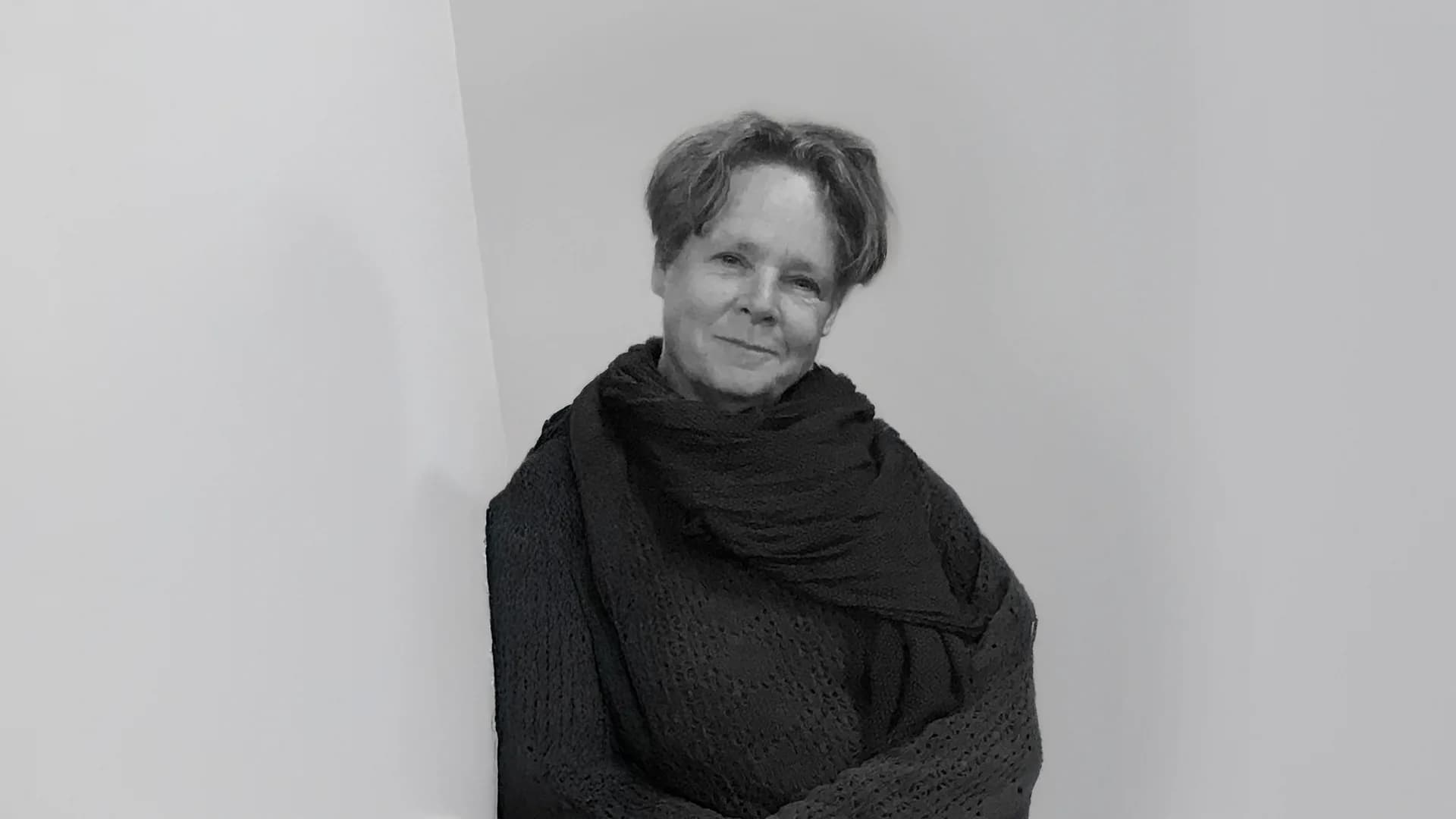
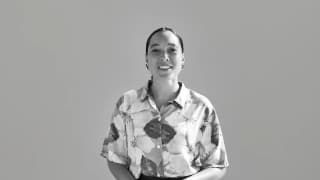
Astrid Ursem works at the sawmill La Scie d'Ici, a cooperative where employees are the majority partners, in Puy-de-Dôme.
During the summer break, the teams at impact.info invite you to (re)listen to one of our episodes published this year.
This episode highlights the testimony of Astrid Ursem , an employee of La Scie d'Ici .
Enjoy listening!
Frequently asked questions What is a SCOP and how does it work? A SCOP, or Société Coopérative de Production, is a company where employees are also the majority shareholders. This means they participate in decision-making and share responsibilities, which promotes a more horizontal and democratic functioning within the organization.
Why is sustainable forest management important for the environment? How does La Scie d'Ici commit to the environment? What impact does the cooperative structure have on employee well-being? Who is Astrid Ursem and what is her role at La Scie d'Ici? Florence Jaillet
impact.info journalist
Published on 14 August 2026
Transcript Audio in Français — text automatically translated· AI-generated transcript
0:00 You can feel that the people who stay, who work with us, 0:03 they take responsibility. 0:05 This is our company, all of us. 0:07 We're not just employees, we're more than that. 0:15 Hello and welcome to the podcast for those 0:18 who want to change the game within their company. 0:21 SCOPs, Société coopérative de production, 0:24 are companies where the employees are the majority shareholders. 0:28 An organization that allows for unique democratic, 0:30 social, and sometimes environmental commitments. 0:33 Astrid Ursem. 0:35 Ursem, Astrid. 0:37 I was born on December 21, 1961. 0:42 Here, I handle everything related to administration, quotes, accounting 0:46 and I also work in the sawmill. 0:49 La Scie d'Ici, what is it? 0:51 La Scie d'Ici is a sawmill. 0:53 We started in January 2022. 0:57 It's a SCOP, so it's a cooperative, 1:00 a workers' cooperative. 1:03 There were already several people who had worked together 1:07 on a wood platform and who said, 1:09 we need to create a sawmill ourselves as a SCOP. 1:13 In the end, it didn't happen that way, 1:16 but one of the four who were there, 1:19 he found, where we are now, the sawmill for sale. 1:23 It was a factory mainly for making pallets 1:28 and packaging crates. 1:30 So, he started this SCOP together 1:34 with someone from outside who financed it 1:37 and me who worked from the very beginning as well. 1:41 And one of the people who was in the old project, 1:44 he came in as an employee, but he didn't want to become a partner. 1:47 And two and a half years ago, he also left 1:50 because he had other projects, 1:51 but he was there to help us at the beginning. 1:53 So, everything that was pallets and crates and all that, 1:56 and the business assets for that had been sold. 1:59 So, we were left with the land, the building, 2:03 a large saw and maybe another saw, 2:06 not many machines. 2:09 So, we bought machines and all that. 2:11 We started sawing raw wood, 2:14 but very quickly, we also installed a dryer 2:17 to do all the machining. 2:19 So, we make parquet floors, paneling, 2:22 decking boards, shutters, lots of things like that. 2:27 So, what makes one day, 2:28 you go from being an employee to a SCOP? 2:32 How do you say to yourself, hey, I'm going to do it myself? 2:36 What wasn't right before 2:37 that we want to improve ultimately? 2:39 In a SCOP, you share responsibilities, 2:41 you share tasks. 2:43 It's much more horizontal. 2:45 There isn't really a boss telling you what to do, 2:48 although Éric, the manager, who also worked on the platform, 2:52 took the initiative, he manages. 2:55 And if things aren't going well, he's the one who talks to people 2:59 if things aren't working out, all that. 3:00 But we are quite horizontal, 3:03 also in terms of salaries, quite horizontal. 3:06 Yes, you can feel that the people who stay to work with us, 3:10 they take responsibility. 3:12 It's our company, it's all of ours. 3:14 We're not just employees, we're more than that. 3:16 Was there also a desire 3:18 to have more environmentally friendly practices? 3:21 Oh yes, that's why they wanted to leave the other platform 3:25 because it was starting to get a bit complicated over there. 3:28 For us, 80% of our wood comes from within 5 km. 3:33 It's very, very local. 3:35 We try to avoid clear-cutting. 3:37 It's not always possible, especially not for Douglas. 3:41 A lot of people want Douglas, 3:42 but that's really production, production wood. 3:45 We don't treat our heating system, our heated dryer with wood waste. 3:53 We sell everything, all the waste. 3:56 Everything is used, so we have no waste. 3:59 And a bit more personally, 4:03 We have coffee, papers, etc. in organic, ecological and all that. 4:08 And from the beginning, that’s what we wanted. 4:11 So, what does that change for the people who will come to buy from you? 4:16 How is it going to work? 4:17 First, we just have a sawmill that also does machining. 4:21 That’s rare. 4:22 That’s also an ecological part. 4:24 We work with hardwoods. 4:25 That’s rare for a sawmill. 4:27 And for softwoods, we really push the sale of fir trees. 4:32 That’s the most abundant wood here, in the area. 4:39 And we mainly work with lunar firs. 4:42 They are cut at the right moon phase. 4:44 These are little things that you normally don’t find in a sawmill. 4:50 There are people who come here just because it’s a sawmill. 4:53 There are people who come here because it’s a scope. 4:55 There are people who come here because there are young people, not me. 4:59 And there are many people who come because they know that our approach, 5:04 is an ecological approach, a local wood approach. 5:08 There’s a mix of everything. 5:10 We are part of a network, especially me, I have a very large network around. 5:16 And so, there are a lot of people who know us because they know me 5:20 or they know us or through word of mouth. 5:25 In what way, in your opinion, does this approach change things profoundly for you already 5:32 and then for the forest, for the planet? 5:37 For us, because I would never want to work in a normal company. 5:42 So for me, it’s a pleasure to come to work. 5:45 And also, for example, that’s nice. 5:48 I’ve heard that often, when men have children, 5:53 it’s complicated to take an hour because the child is sick 5:57 or they need to be taken to school and all. 5:59 For us, we have... 6:00 I’m the only woman and the others have children. 6:05 There’s never a problem. 6:06 We know that if someone takes an afternoon off because the child is sick, 6:11 they will work another day. 6:13 Almost all of us are part-time. 6:15 For the company, that’s not the best thing, but for the staff, that helps too. 6:21 We do a lot of popular education. 6:24 We talk, for example, if people want Douglas fir inside their house, 6:28 I explain why it will be better to work with fir and not with Douglas. 6:33 We work with the park. 6:34 We are in this regional, natural park, 6:37 which also created a little booklet on why to work more with fir. 6:42 So, we distribute it. 6:44 We also talk about glasses. 6:46 We talk about clear-cutting, why we want to avoid that. 6:50 And with the France Relance plan, 6:53 in the last two or three years, there has been a lot of clear-cutting here. 6:57 People are really fed up with it. 6:59 So, when I talk to them about it, they say, 'Oh yes, that's great!' 7:03 or there are people who come to us because they are fed up with clear-cutting. 7:07 It does raise people's awareness about forest management a bit. 7:13 We work with a few managers who manage the forest separately. 7:18 We work with several associations that advocate for sustainable forest management. 7:25 So, we held open houses and discovery days with them 7:30 and with the managers where we can go see forests where we do reasoned cuts 7:36 to raise awareness among our clients, the public. 7:40 I think all of this makes people think 7:44 and also gives people the opportunity to buy their wood differently. 7:49 There is almost no Syria like us. 7:51 I think we are three at the moment in France who are really very, very local 7:56 and who try to avoid clear-cutting. 7:59 So, there is almost nothing, but at least we are here and people can come locally to buy. 8:06 Impact.info, doing business differently. 8:10 Astrid Ursem, you are part of the Syria La Cidici, 8:14 which is a SCOP, a cooperative production company. 8:17 16 years old is the age in France to start your own business. 8:20 At 16, what were you doing? 8:22 Did you want to embark on this type of project? 8:25 What did you ultimately want to pursue in your life? 8:28 What were you thinking about? 8:29 What were you doing when you were 16? 8:31 At 16, I was in school, in high school 8:34 and I dreamed of doing organic market gardening. 8:36 Then, I went to agricultural university, I am an agronomist, 8:40 where I quickly realized that organic market gardening, 8:44 you don't learn that at university. 8:46 And ultimately, I became a sociologist for rural development. 8:50 It was for developing countries. 8:54 It's working in a multidisciplinary way, developing development projects. 9:00 I was mainly looking at the social aspect to ensure it went well. 9:06 I never thought about working in a sawmill. 9:08 I didn't know anything about it, and it was chance that brought me here. 9:13 I mainly came to help the scope for the sawmill. 9:18 I love working with wood. 9:20 For the first two years, I think I was mostly in administration. 9:25 At 16, and even now, I haven't fully accepted it 9:31 because being a woman and being in administration 9:35 with all the men in the sawmill, well... 9:37 For about a year now, I've been working more and more in the sawmill too. 9:41 Of course, I have to work on that side to get the job done, 9:44 but like the first two years, it's also about setting up the whole system 9:50 and we're a bit more seasoned, so it takes a bit more time too. 9:53 And I love being on the other side, and I love when clients say, 9:57 'Oh, but you work there too?' 9:59 'Oh, I didn't think so and all that.' 10:00 And I say, 'Yes, of course.' 10:01 That's my feminist side that I had at 16 and that has resurfaced. 10:07 I am totally accepted on the other side too. 10:10 No relation to being 16, I always wanted to be in nature. 10:13 I always wanted to be in ecology. 10:16 I think I'm still there 10:19 and I've done a lot of things around, 10:21 but in the meantime, even though I didn't think about wood, I'm happy where I am. 10:27 Thanks to Astrid Ursem from the sawmill La Scie d'Ici, 10:31 which is a SCOP, a cooperative production company. 10:34 You can find this podcast on our website impact.info.