
Refugee Food is now both an association, a training organization, and a social integration enterprise. Its mission is based on a simple belief: meeting others is one of the best ways to combat prejudice.
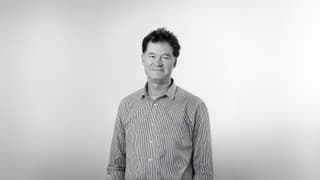
“Our goal is to change the perception of refugees while promoting their social and professional integration in the restaurant industry,” explains Julia Colin.
The adventure began in 2016, during a time marked by the arrival of many Syrian refugees in Europe. In response to the anxiety-inducing discourse surrounding migration, the founders of Refugee Food chose to create spaces for connection around a universal language: cooking.
This is how the Refugee Food Festival was born, held every June. The concept is simple: refugee chefs collaborate with local restaurateurs, whether they are small neighborhood canteens or gourmet establishments. Through these culinary creations, the public discovers both flavors from afar and the stories of those who bring them to life.
However, the association quickly realized that beyond raising awareness, another need emerged: access to employment. The restaurant sector appeared particularly relevant. On one hand, companies struggled to recruit. On the other, many refugees sought to build a new professional life in France. Refugee Food then created its own cooking school to offer pre-qualifying and qualifying training tailored to the needs of the sector.
“Cooking allows individuals to maintain a connection with their history, culture, and culinary heritage while integrating into a profession that is hiring,” explains Julia Colin.
Since 2017, over 500 refugees have been trained through this program. A new school will open in the 20th arrondissement of Paris at the beginning of 2027 to further strengthen this initiative.
The health crisis of 2020 marked a new stage in the organization’s development. In response to growing food insecurity and unused stock in closed restaurants, Refugee Food envisioned a third activity focused on solidarity-based food. The goal is to provide people in precarious situations with meals prepared from raw, quality products, far from the ultra-processed foods often distributed in food aid programs.
Beyond food and employment, Refugee Food also works in middle schools through the program “Le Goût des Autres.” Aimed primarily at eighth-grade students, this initiative combines philosophical workshops, media education, and culinary discovery to raise awareness among young people about the realities of migration and combat stereotypes.
“Cooking is a wonderful educational tool. It allows us to discuss identity, culture, transmission, and openness to others,” believes Julia Colin.
The impact of these actions is first measured through the journeys of the individuals supported. Thanks to comprehensive follow-up that includes housing issues, French language learning, children's schooling, and access to employment, Refugee Food boasts a sustainable integration rate of between 75 and 80%.
“Finding a space where one is recognized, where one can contribute to society and build new human relationships is essential. This is what allows refugees to regain their place and dignity,” concludes Julia Colin.
Refugee Food is an initiative that was suggested to us by operation Milliard, one of whose missions is to make visible the organizations of the Just Transition.
In partnership with