
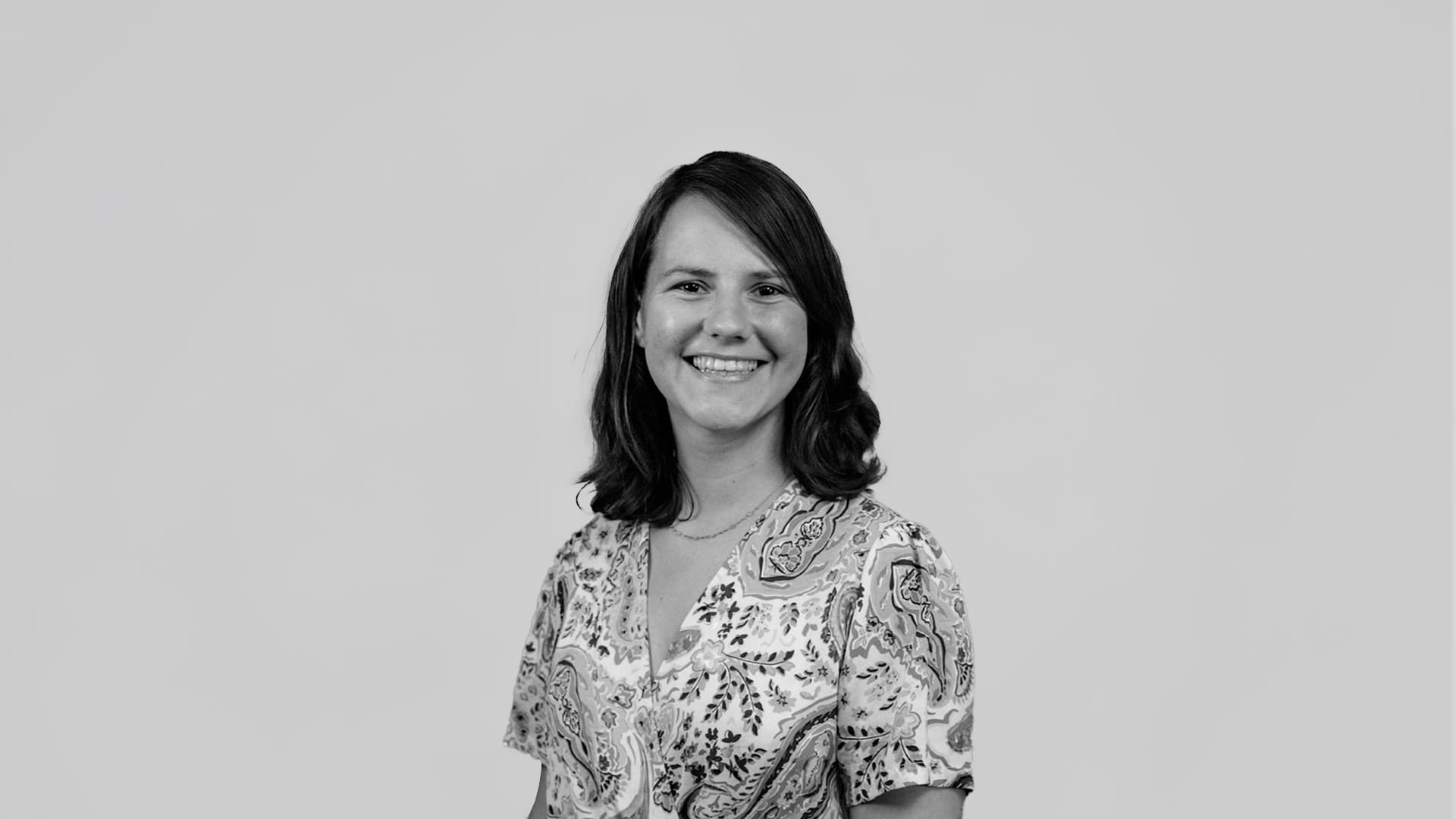
Ticket for Change supports those who have a vision to develop, projects that matter to them, related to ecological and social transition. To achieve this, 4 target groups are identified.
Entrepreneurs of all ages who have an idea and want to take action will be better equipped to realize this project. There are also experienced entrepreneurs with an ongoing project that has existed for at least 4 years, who need to take care of themselves, focus on their mental health, and reignite their passion for their project. Additionally, the organization believes that change can also happen within companies, so it works with employees and leaders.
Finally, it targets a young audience aged 18 to 28, with a 4-month program, particularly aimed at those who do not always have access to opportunities, especially young girls in rural areas or in politically sensitive neighborhoods, facing economic hardship. “This is a group that faces a lot of self-censorship and many obstacles,” explains Laura Chateigner. The program is free thanks to a network of partners, patrons, and companies that contribute a portion of their apprenticeship tax.
"Beyond supporting a project, we primarily support the project holder,” emphasizes Laura Chateigner. “There’s the whole part of “tools” with methodologies related to impact entrepreneurship, but we also help the project holder learn to know themselves better, define the causes they care about, the reason for their commitment, and identify their talents, so they can rely on them later.”
"Young people particularly need meaning, to feel useful in a world that is in deep crisis and in a context where it is very complicated to navigate the uncertainty of tomorrow,” explains Laura Chateigner. “That’s why they need to take action, to engage, and that’s why we support this generation.”
Support is largely provided through collective efforts and mutual aid, for a generation that is perceived to experience more loneliness than its predecessors. “We created a collective program so they can work with others their age and mutually support each other.”
"When I see the impact it has on participants at the end of a program and what they tell us, we can talk about a real change at the individual level,” explains Laura Chateigner. “We don’t aim to make all of them entrepreneurs, but we do aim for them to develop this entrepreneurial mindset and self-confidence through the experience they will have, enabling them to realize their projects, their dreams, and to see a bit bigger than perhaps what they were promised or taught during their childhood and adolescence.”