
La Maison de Tom Pouce was created in 1987. It aimed to provide a family for any pregnant woman in distress, to welcome her, help her take time for herself, create a bond with her child, regain her independence, and calmly orient herself towards professional life.
Young women live there in community and share all the small daily gestures: learning to change a diaper, preparing a bottle, reassuring their baby, offering games, and fostering development.
They are surrounded by an educational team composed of specialized educators and childcare assistants, so these women can prepare to live alone, but peacefully, with their child.
French classes, professional coaching workshops are also organized to help them regain their place in the job market or return to school, special "pregnant women" yoga classes to help them relax, childbirth preparation courses, as well as adapted sports.
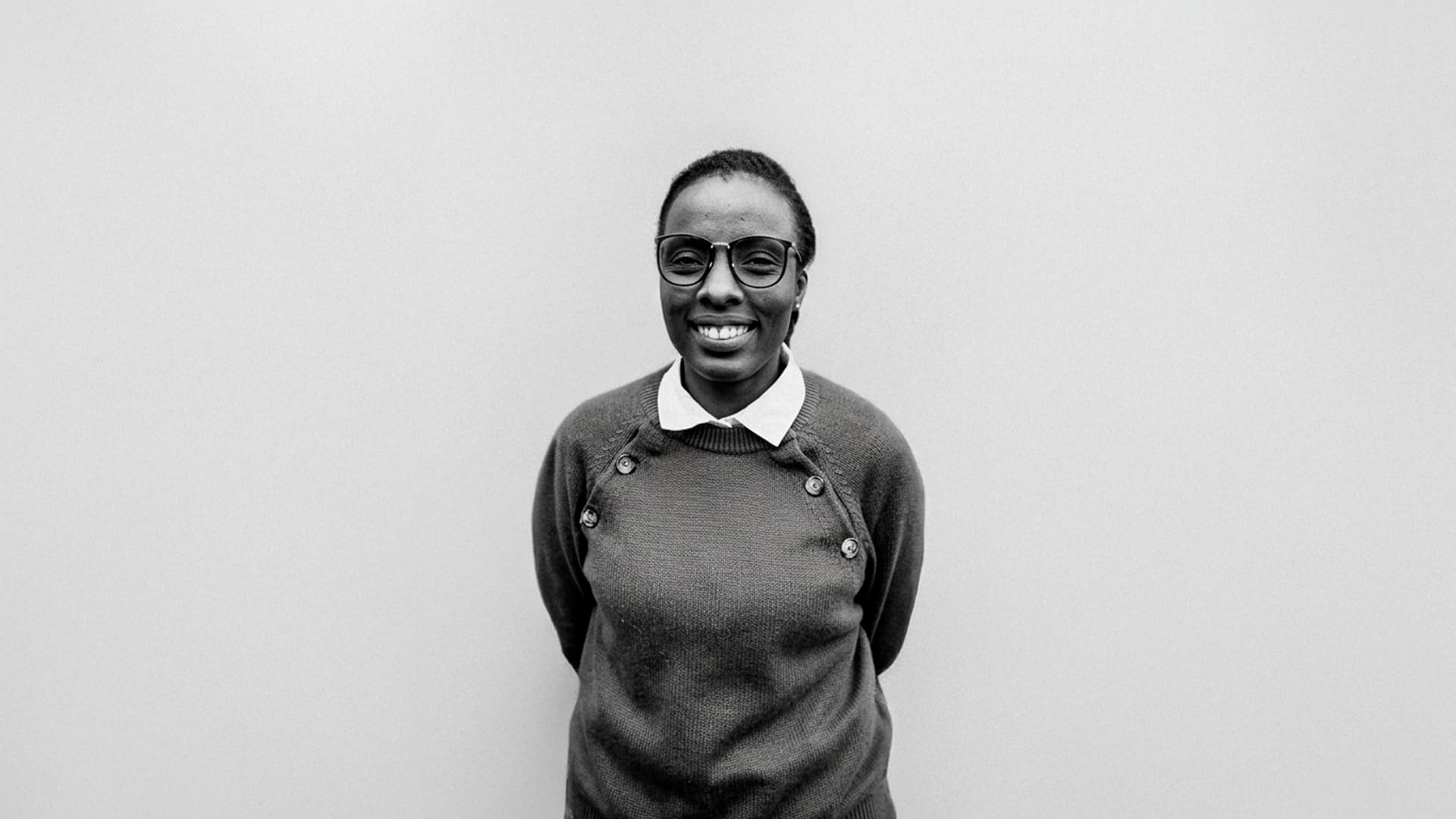
“We try to fill their daily lives so that they are always active, but at the same time waiting and preparing for the arrival of their baby and gradually building their project with the educational teams,” explains Urielle Ohoukou.
The house is a cozy cocoon where the teams stand by their side to accompany them to all their appointments, answer all their questions, soothe their anxieties, and allow them to calmly prepare for the arrival of their child, “and collective life, family life, community life allows for that.”
Support is personalized according to each situation and profile. Then, depending on their progress, the young women may be directed upon their exit to other mother-child accommodation centers, in semi-autonomy or full autonomy.
On average, 80 mothers pass through La Maison de Tom Pouce each year, along with about forty babies. Since its opening, over 3,000 mothers and nearly 2,000 babies have been welcomed there.
“I believe our role is truly fundamental in the sense that we help these young women grow, first as women, and also as mothers in parallel. And this creates young women who will be much more confident, much more balanced, and who will be able to raise children who will make up the society of tomorrow,” concludes Urielle Ohoukou.
In partnership with