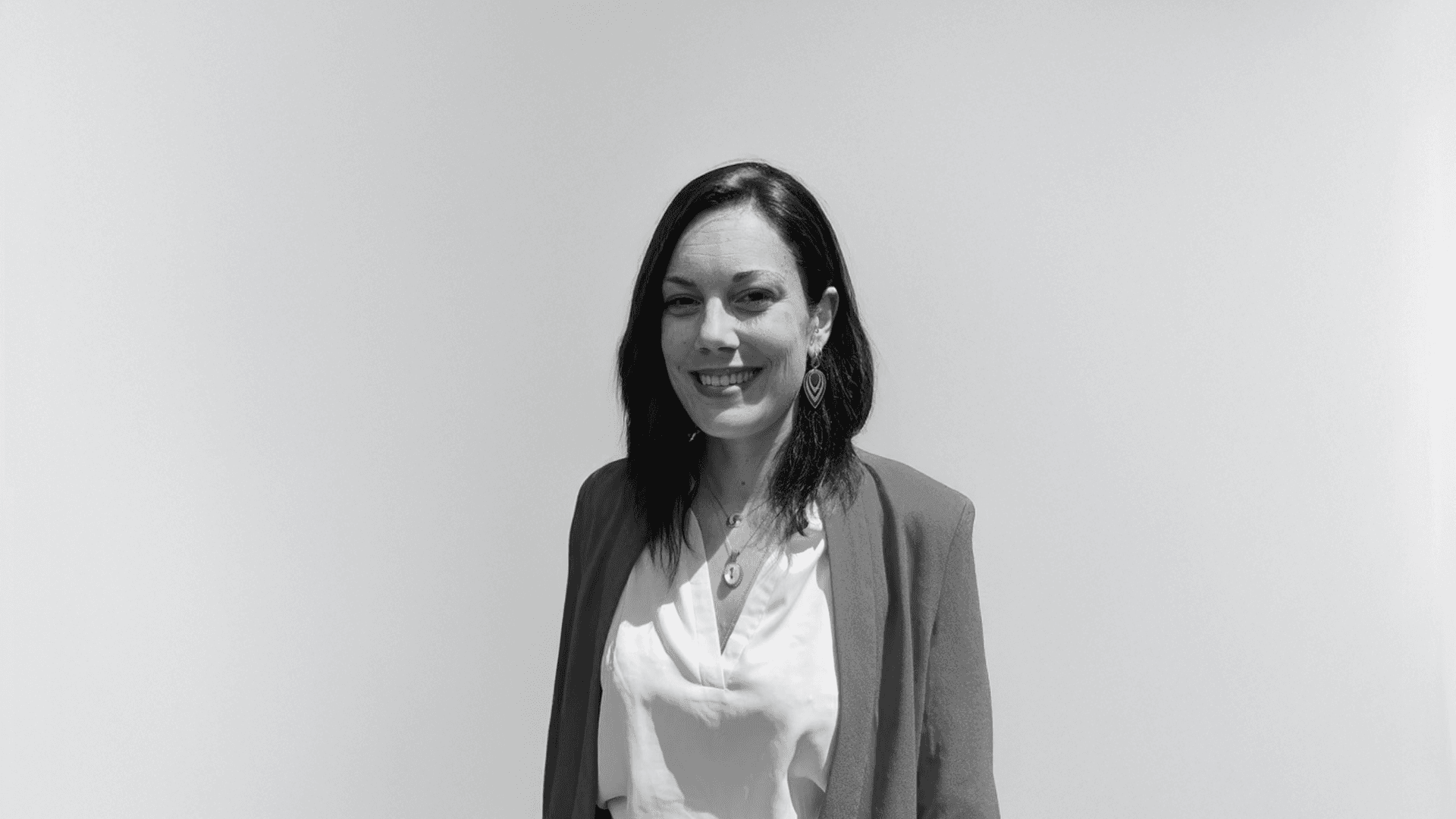
Etymologically, the word “Palais” means “a large official building made available for the public good.” Because, when envisioned, Le Palais des Louves was meant to be a large house with communal living spaces, bedrooms, and offices for reconstruction workshops, well-being, kinesiology, art therapy, for educators, and for therapy. “I wanted to include this dimension of housing, this vastness and this official aspect, made available specifically for people,” explains Chloé Roueau.
And then there’s the wolf, because in symbolism, we find the principle of freedom, but also that of the pack. “And the wolf also has this ability to growl, to show its teeth for itself, but also for its young.”
The association Le Palais des Louves thus offers several types of support, including housing, emergency shelter, and comprehensive support, with a mediator who coordinates the entire journey of beneficiaries, in connection with all other structures or institutions, about fifty partners, who may be involved depending on the themes addressed.
Therapy is also available, which is based on a neuroscience assessment, allowing for an understanding of how the person functions and thus providing better support; and on sensorimotor therapy. “Here, the idea is to bring attention, awareness, and curiosity to what the body might have wanted to do at the moment the trauma occurred.” The goal is to eventually integrate the trauma and be able to move forward.
“Here, at Le Palais des Louves, we have everything,” emphasizes Chloé Roueau. “We are capable of being highly responsive. And I think what is also unique in our approach is this consideration of the entirety of all the senses of the body. We realize that everything is connected. With neuroscience, there is no longer the psyche on one side and the body on the other. They have this ability to link the human being that we are, both in its spiritual and earthly dimensions.”