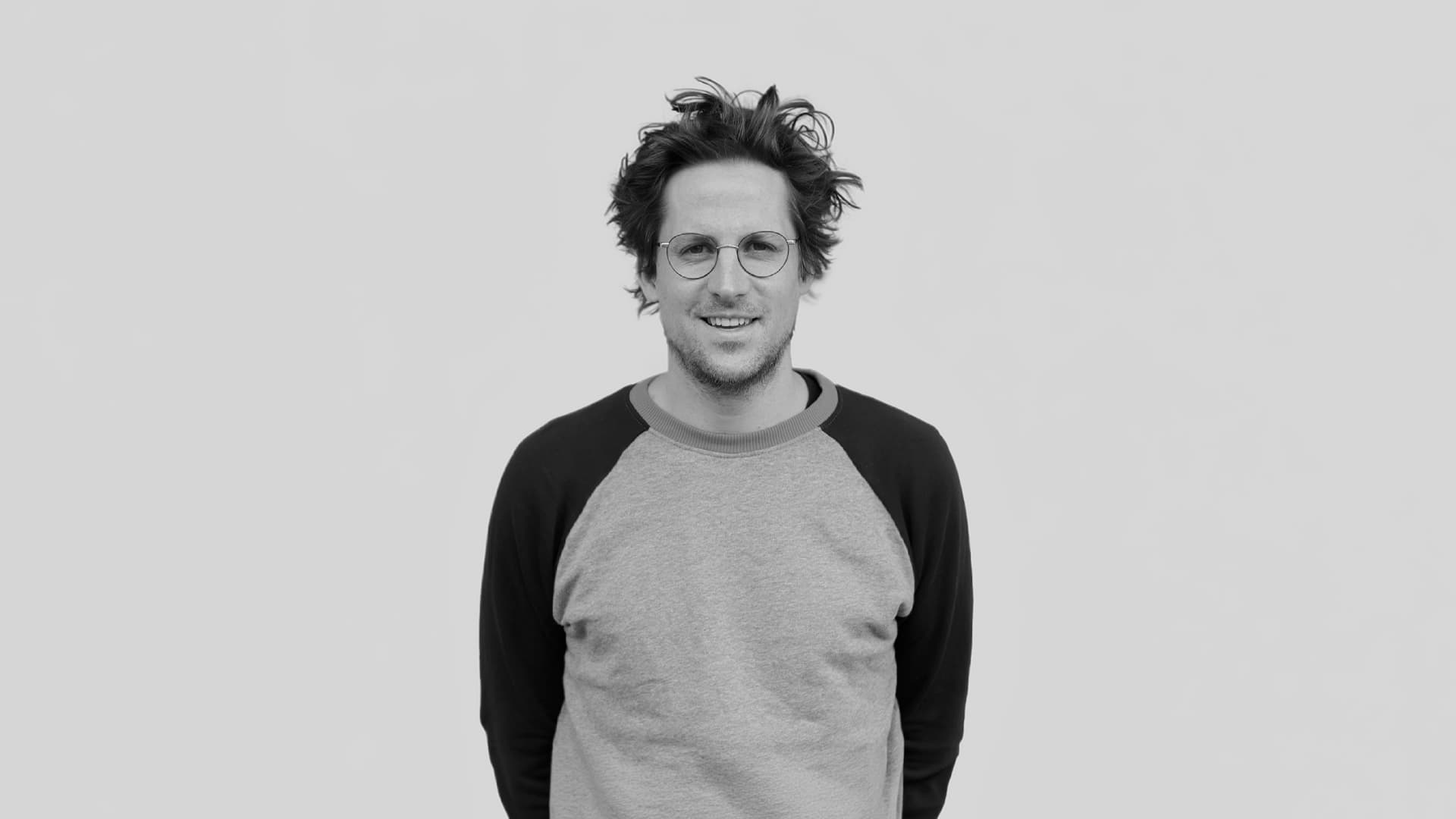
What started as a project during his studies became a reality after graduation. Since 2022, Goldeimer operates under responsible ownership. The company is and will remain non-profit. This means that everyone who works there leads the company. The employees understand that the toilet, as it exists today, will not function in the long term. The flushing system, which consumes a lot of water for flushing, will no longer be feasible in the future. Water on Earth is becoming scarce. In Germany alone, toilet flushes consume about 1 trillion liters of water annually. Therefore, a sanitation transition is necessary, according to Malte Schremmer. He compares this to the energy and mobility transitions. Initially, it requires high investments and is not the cheapest alternative. But the more research, experimentation, and implementation occur, the worse the current energy-intensive model looks. The alternative, the dry toilet, is gaining popularity. The company is driving this process forward with its work.
With its nearly 90 dry toilets, the Goldeimer team travels from one festival to the next during the summer, supported by many volunteers in operations and educational work. They have already reached many people. However, festival operations alone are not enough to finance Goldeimer sustainably, and not all age groups are reached. To address this, the team has established a shop that started with printed toilet paper and now includes both ready-made dry toilets and kits. Educational efforts are not limited to informative toilet paper. Press and lobbying work, as well as social media campaigns, also play a role. Few people know that the major challenge of toilets is the value chain, as Schremmer has discovered over the years.
The current cycle roughly looks like this: Food and drink are digested, urine and solids are excreted during a toilet visit, water flushes everything through the flushing system to a sewage treatment plant, where the water is then treated with high electricity and chemical consumption. Malte Schremmer has a better solution that he wants to make socially acceptable again. The contained substances phosphorus, potassium, magnesium, and nitrogen should not be lost. This is possible with the dry toilet. Instead of treating contaminated water laboriously, dry material is used to “flush,” and the contents of the Goldeimer are then used as fertilizer.
The commissioning of the Goldeimer recycling plant exemplifies that the circular economy concept is also possible with toilets. This can save a lot of water, and part of the synthetic fertilizer can be replaced with organic alternatives. On a small scale, Schremmer is already implementing this with his team. With the money generated, the GmbH supports sanitation projects around the world. About 3.5 billion people lack access to secure sanitation, and the Sanitation Fund aims to help find a way out of the sanitation crisis through waterless, decentralized, and circular sanitation solutions. Schremmer operates on both local and global levels but wishes for more popularity and significantly more companies to engage with the topic, produce dry toilets, and bring them to market.