Mentoring is an individual relationship between a young person and a volunteer known as a mentor, who will support this young person for at least 6 months, listening to their needs and expectations while helping them navigate their educational journey and transition into the workforce.
A mentor can support a child aged 6, a teenager aged 13, a high school student aged 17, or a young adult aged 27, addressing issues related to schooling, guidance, cultural openness, or professional integration.
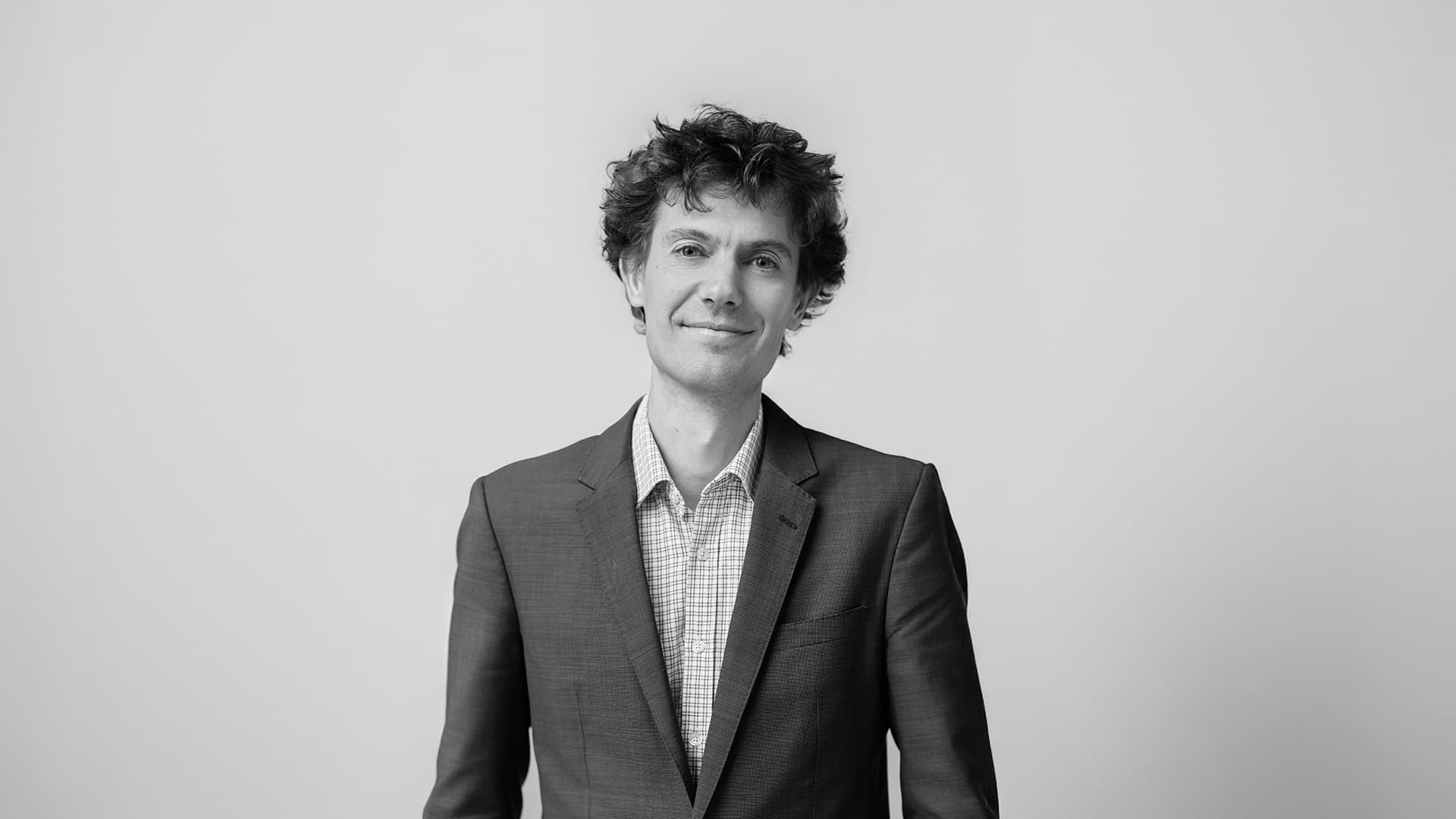
"But more broadly, mentoring aims to open up the field of possibilities and perspectives for these young people, helping them think further, dream bigger, to break down the barriers they may face, any potential self-censorship, and especially the social determinisms they may endure," emphasizes Nicolas Viennot.
Just as the mentees come from diverse backgrounds and ages, mentors can be high school students, university students, working professionals, or retirees. Among working individuals, there are employees, as well as self-employed individuals or public agents.
"The key takeaway is that anyone can become a mentor as long as they are willing to engage, listen to a young person, and dedicate some of their time to accompany them for at least 6 months with regular meetings," explains Nicolas Viennot. "So, there is no need for technical skills to become a mentor. However, one must have the curiosity and the vocation to be attentive and open".
Each year, 160,000 young people are supported by the associations of the Collectif Mentorat and 160,000 mentors. "Thus, mentoring has a broader impact on society, beyond the individual relationship, as it involves 320,000 people each year," explains Nicolas Viennot.
"This creates a mass effect, and mentoring contributes to building a society of connections between different generations, as the mentor is often older than the young person, weaving links between people from different social backgrounds, since young people often come from less privileged backgrounds than their mentors. And all of this contributes to building society and fostering dialogue between generations and social classes. Thus, it helps to heal a fractured society".