
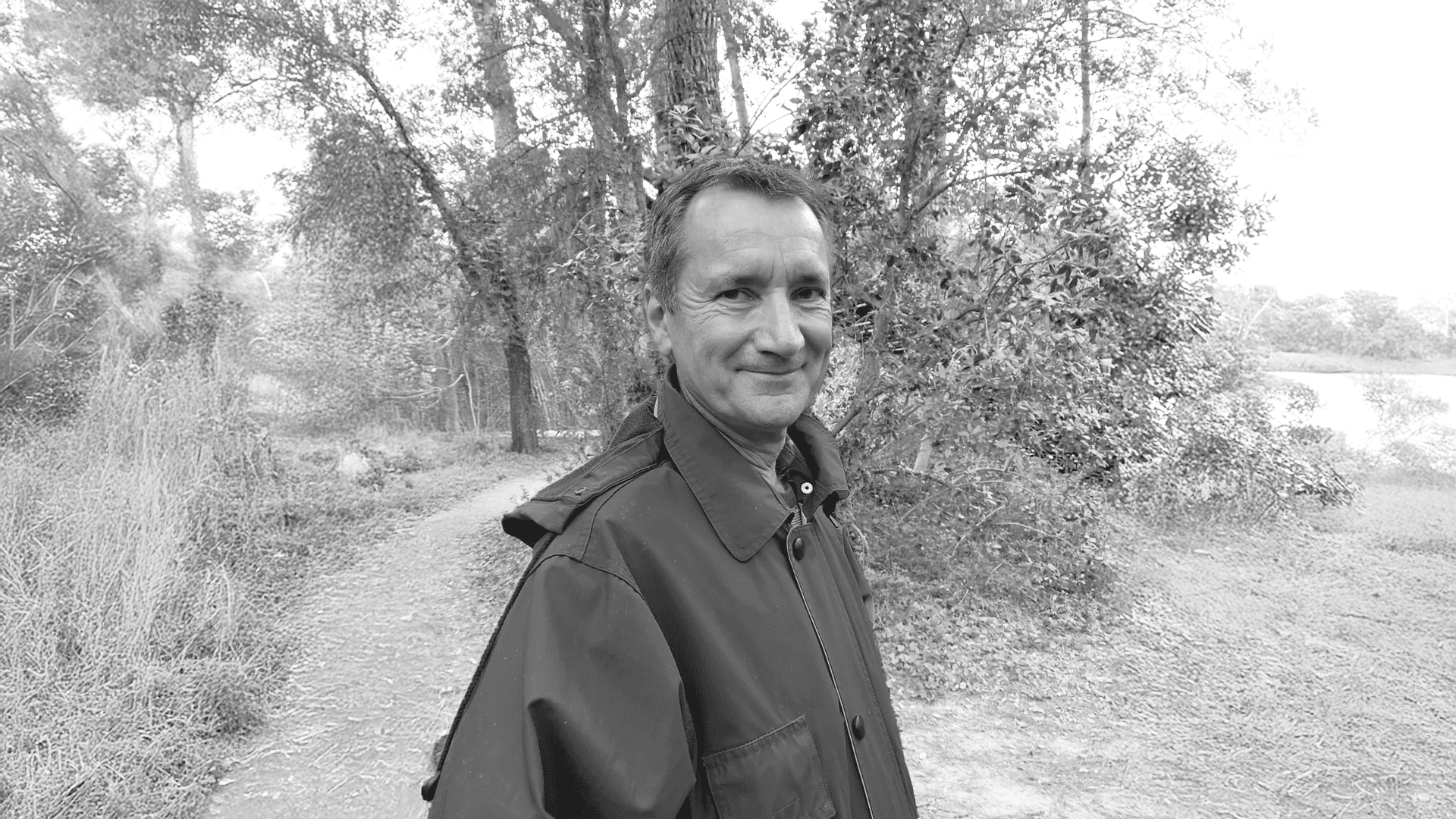
Within 5 years of leaving prison, 65% of former inmates reoffend. It is based on this observation and a deep conviction that Gabi Mouesca created La Ferme de Baudonne, one of the 300 Emmaüs member organizations nationwide.
Here, women under judicial supervision benefit from a 26-hour work contract paid at the minimum wage, are provided housing, and receive enhanced social support. Every morning, they work the 3 hectares of fields and greenhouses to engage in organic farming.
“The act of planting, nurturing the growth of plants, harvesting, selling, or using them in cooking,” shares Gabi Mouesca, “all of this awakens sensations that these women have rarely experienced in their lives, if ever, doing something that, over time, brings the satisfaction of doing something positive.”
Farming is used as a tool for reintegration, helping to regain codes that may have been forgotten after many years in prison or never acquired at all. It fosters collective living, teamwork, responsibility, and trust, which is extremely empowering.
Other alternatives to incarceration are fervently advocated by Emmaüs. “We believe that prison is a clear failure that disproportionately affects the same demographic, the poorest and most vulnerable. By keeping prison at the heart of our social system, we are shooting ourselves in the foot,” asserts Gabi Mouesca.
“We position ourselves as opponents to the idea that prison is a necessary evil. We are demonstrating that we can sanction people without generating humiliation, fear, or violence. We know what kind of breeding ground that creates. Here, we respect people, we help them stand up again. And I know that this trust and respect towards these individuals will eventually cultivate something positive.”