L'Hermitage is a former large agricultural estate, initially transformed in the 1950s into a hospital for leprosy patients, which later became a training center for an international NGO focused on equitable development of territories. Since 2015, the site has been taken over by a collective of social entrepreneurs to create a third place for rural and civic innovation.
This is a collective structured around various legal entities, whether for-profit or not, within the framework of a common cooperative society. The goal is to help reconsider the role of rural areas in our societies, particularly not to view them solely as producers of organic matter.
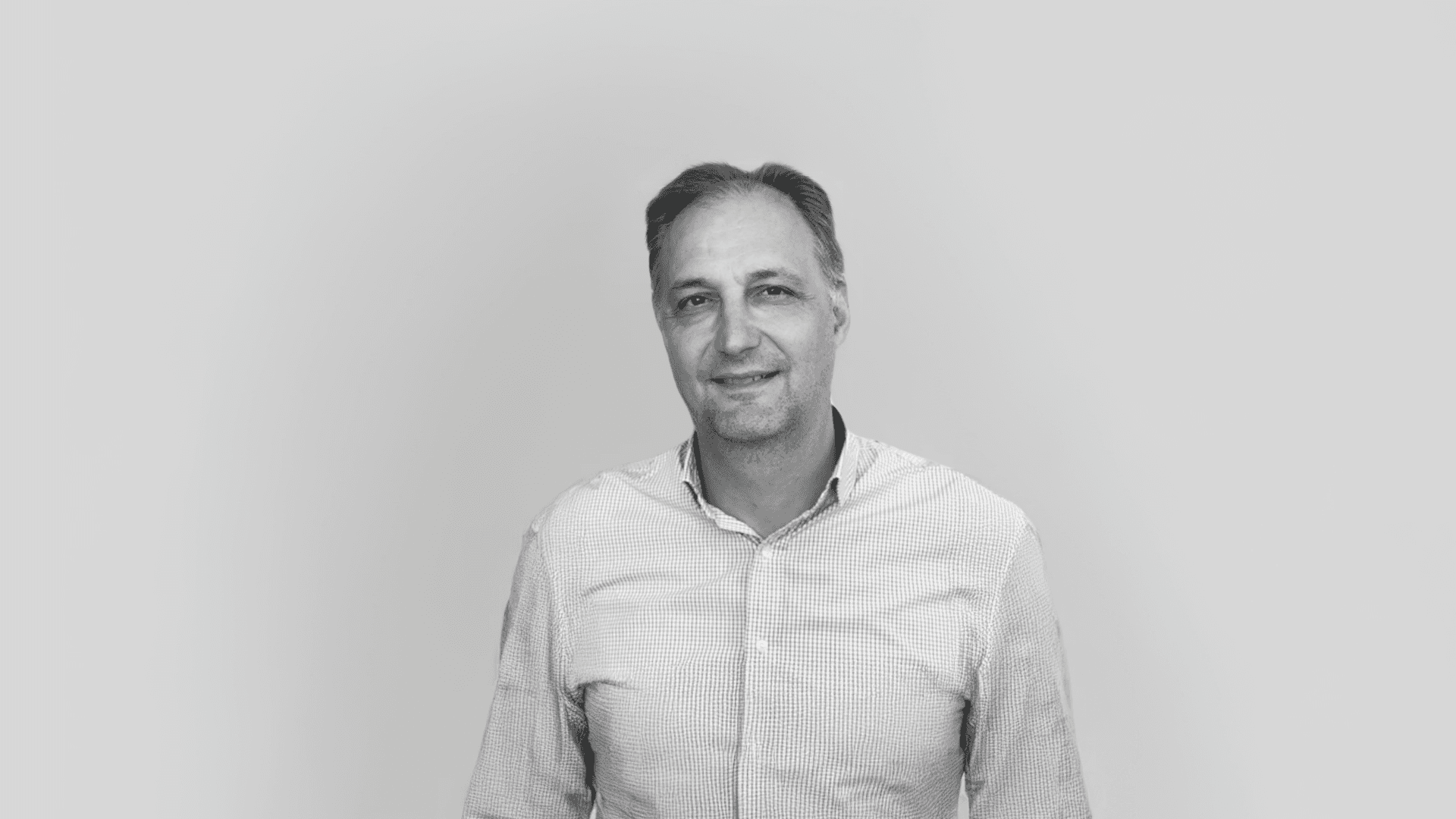
“We believe that the imaginations we have assigned from the city to rurality are inappropriate, that the rural world is truly the future of humanity, and consequently, we need places that exist and are profitable in the territory,” explains Jean Karinthi. “L'Hermitage is a case study, a kind of laboratory for what these third places can be.”
Here, agroecology is practiced on 2 hectares of market gardening land and 22 hectares of forest. We also work on transforming buildings around energy savings. L'Hermitage has also developed an activity for hosting training sessions and seminars. "A place where we experiment with the transformation of land and its collective reuse in the territory.” A study office allows these experiences to become knowledge and expertise.
Finally, L'Hermitage is a general interest association, a place for animation, social, cultural, and local life where nearly 200 people gather.
“We are 'cracking' the model and demonstrating, with other places in France, - like the Hameau de Montrieux with which they are associated-, that it is possible. We are in a very small village far from decision-making centers, attractiveness, and imaginations of economic prosperity, and we show that not only does it have a future, that this future can be crucial in the transition of the territory, but that it can also be profitable.”
Through the connection with the living. “The rural world is a whole issue of reappropriating the territory, which will play a strategic, essential role in the sovereignty of ecological transitions, since it is here that the largest reservoir of life is found.”