LiveArts began with a primary goal of providing visibility to artists who offer performances, as well as to professionals who provide access to adapted sports, all compiled in a catalog.
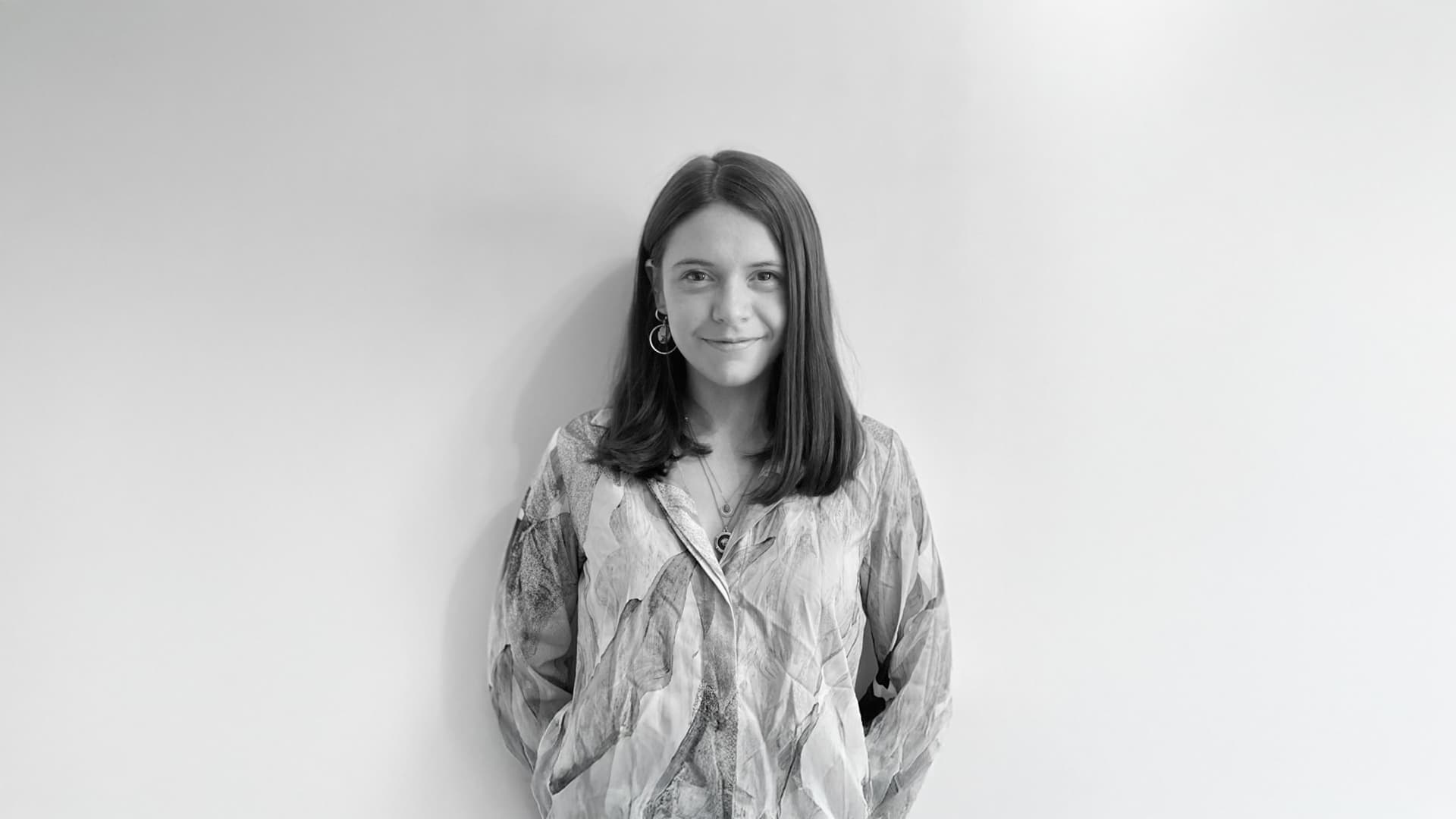
“I was fine-tuning my project when Covid hit,” says Amanda Blyau. “I was wondering how to distribute my product and to whom. And I got the answer with the lockdown, which shone a spotlight on seniors who needed regular activities.”
The catalog was then adapted to meet the needs of seniors in care facilities, EHPAD, autonomous residences, and service residences, offering them both live performances, semi-therapeutic activities, adapted sports, and numerous other activities.
The primary mission of LiveArts was to connect facilities with quality professionals. Additional tools were introduced to help facilities manage their animation services from A to Z, including budget tracking, agenda management, and communication among different structures within the same group regarding these animation issues.
The offerings will adapt to the type of accommodation as well as the desires of the residents. “But the common thread in caring for a senior is taking the time,” explains Amanda Blyau. “That's really the most important thing, and it's what is lacking, especially in home care, which is timed and must cover from one place to another. Here, we have the opportunity to sing a song they love a second or third time, or to let them take their time to play with paint during an art therapy workshop, for example.”
“And above all, what is crucial for seniors is that they engage in activities, that they do not remain passive. So, a lot of animations, as much as possible and of the highest quality,” emphasizes Amanda Blyau.
Engaging in adapted activities and cognitive exercises regularly has a significant impact on health, well-being, and autonomy.
“In terms of health, we can note up to 5 years of delay in the onset of chronic diseases like Alzheimer’s or Parkinson’s,” points out Amanda Blyau. “Regarding well-being, 80% of seniors, for example, practicing memory games, reflection, or mental calculations, will feel an improved quality of life and a stress reduction estimated at about 20%.”
“And where it gets quite impressive is that we can extend autonomy by 3 to even 5 years, with a decline reduction of up to 50%. And this is something that has really become part of our mission: from a certain age, it is very important to receive medical support, but what will almost take precedence in the last years of life is being well in mind and body. For a senior, that is what gives them the health and strength to continue,” concludes Amanda Blyau.