
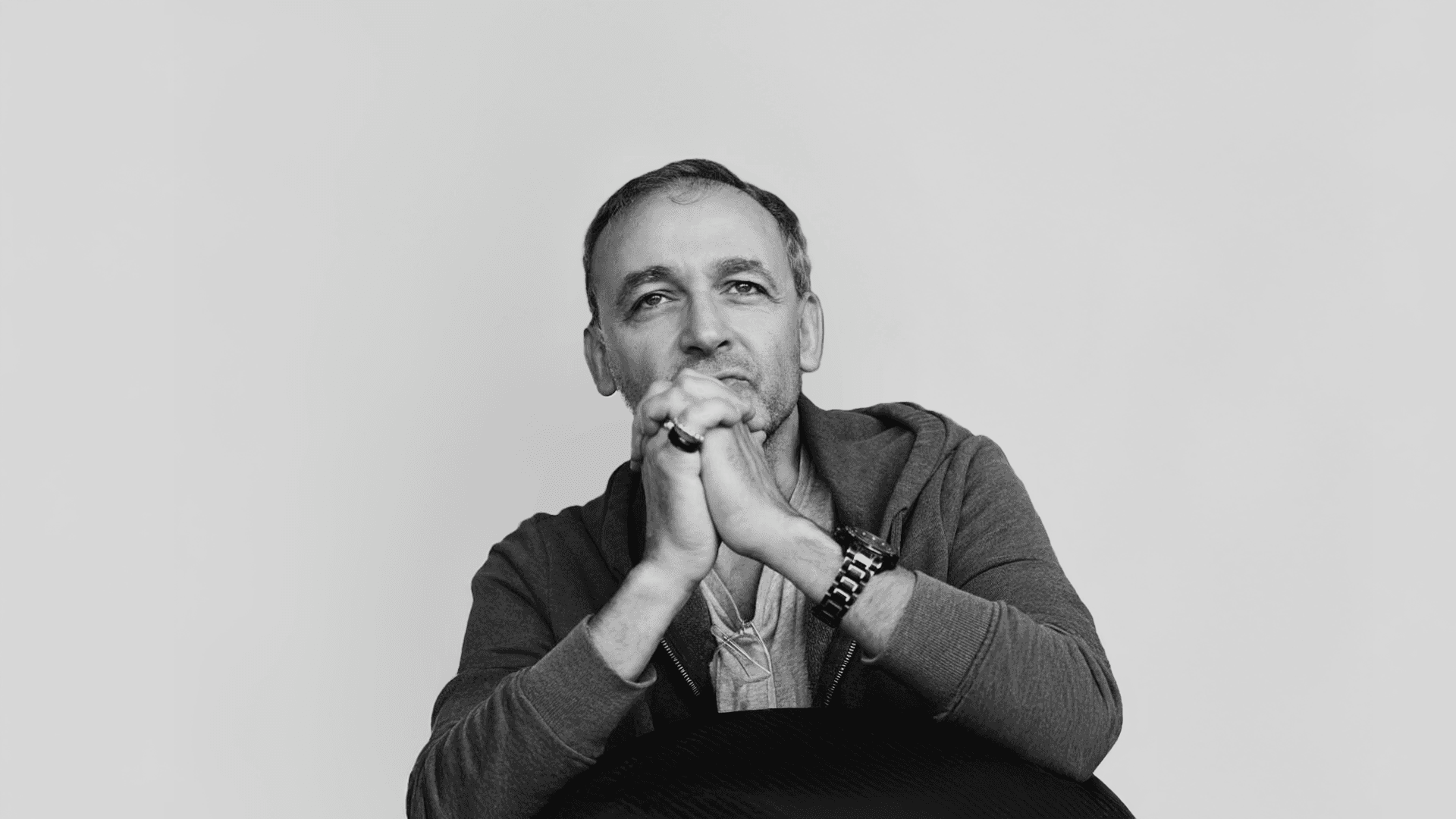
Gynécologie sans frontières was founded in 1995 by four obstetrician-gynecologists who, at the time, felt that there was no specific care for women provided by so-called generalist humanitarian NGOs; this has changed since then. The association began to collaborate with organizations such as the Order of Malta, Medical Aid International, and Doctors of the World, before launching its own missions in the fields of development and training.
“We will support and train local healthcare professionals for the care of pregnant women,” explains Richard Matis, “to prevent maternal mortality, which includes mortality before, during, and after pregnancy, a scourge that affects 500,000 women each year.” Gynécologie sans frontières thus intervenes at the request of institutions, primarily in sub-Saharan Africa.
At the same time, the association developed a mission in France as early as 2006 dedicated to the care of victims of violence, initially focusing on female genital mutilation, always aiming to raise awareness among healthcare professionals for better care of these women they encounter in consultations; then victims of all forms of violence, particularly domestic, sexual, and intrafamilial violence.
“When we started, healthcare professionals were really the last link in the training chain, because they were simply not prepared to address these types of issues, which are not strictly medical,” explains Richard Matis. “So, our goal has been to truly raise awareness among these professionals about the role they have to play in giving a voice to these situations of violence during maternity care.”
Psycho-trauma can lead to epigenetic changes, resulting in decreased immunity, which makes these women more susceptible to chronic conditions that may seem unrelated, such as diabetes, heart failure, cancer, and endometriosis.
“That’s why addressing the impact of these violences through appropriate psychotherapies is astonishing,” explains Richard Matis. “Chronic conditions like diabetes, which seemingly cannot be cured, disappear with the right care. This is where these healthcare professionals can have a significant preventive impact.”
A platform, Violence santé femme, dedicated to healthcare professionals, has been established so they can find all the tools, know what to say and do when faced with a victim, as well as what not to do or say, without forgetting the keys to assess the risk of violence and refer to appropriate structures, psychotherapists specializing in psycho-trauma, associations, and women's shelters.
“There are about 1,300,000 healthcare professionals in France,” counts Richard Matis, “so if we can train this huge group of professionals, it may help advance things, at least to talk about it and prevent it.”