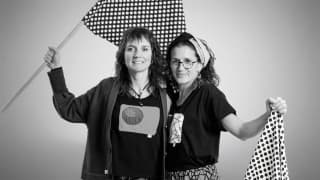
The idea behind the association Les Impactrices is to promote the role of women in accelerating ecological transition and to democratize the concept of ecofeminism in France through various activities. First, there is a media platform that highlights the voices of women who are agents of change, to inform and raise awareness on gender and climate issues.
The association also organizes an annual festival, The Spring of Impactrices. The next one is scheduled for October 18, 2025, with the theme "There Are No More Seasons.” Among the action areas is the ecofeminism fresco co-created with the association CliMates.
There are also training sessions to help members with leadership and economic empowerment issues, as well as for companies and organizations that wish to adopt these behaviors within their structures.
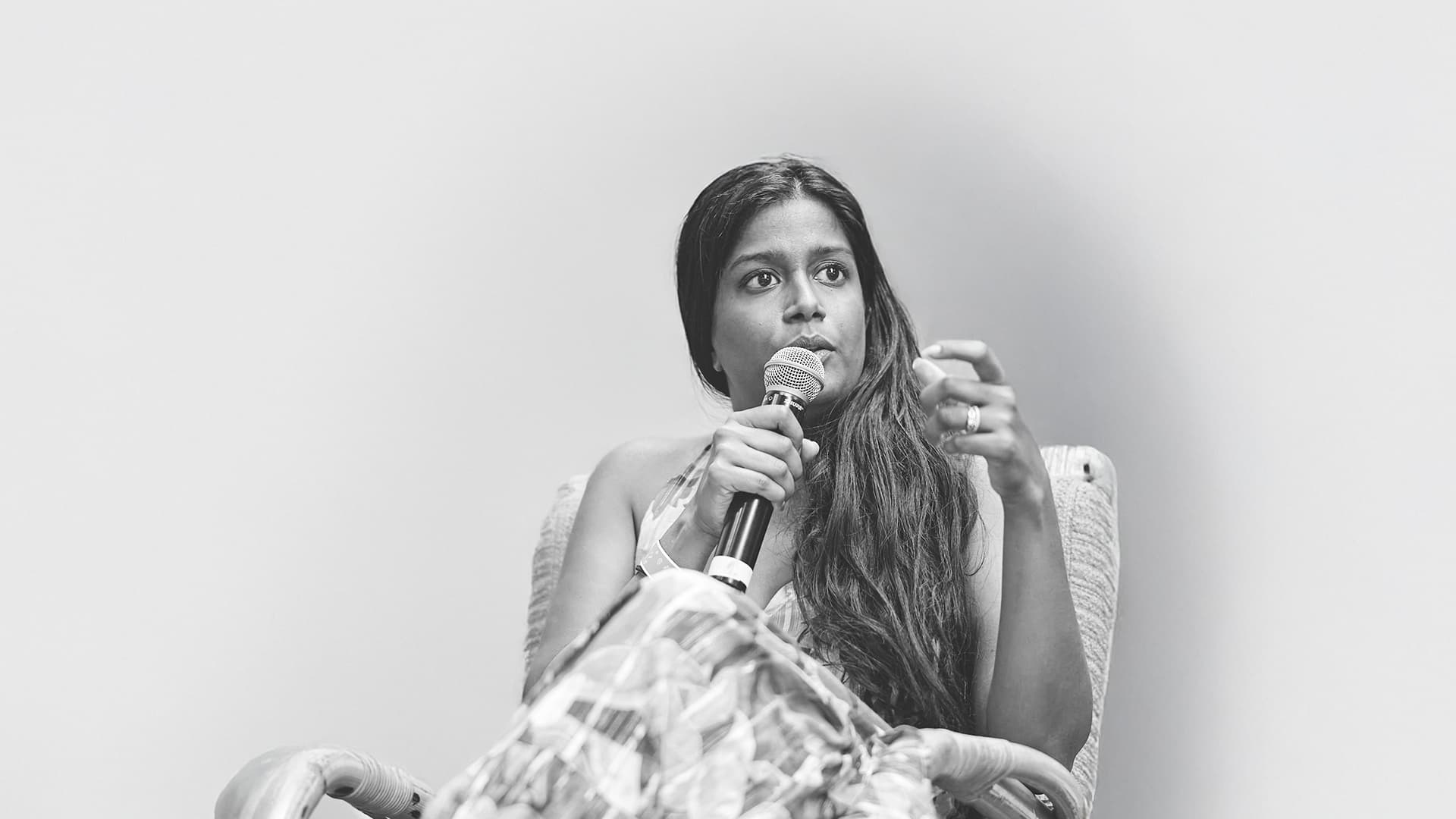
The idea of ecofeminism is to link the system that exploits the planet with the one that exploits women. Women, just like the Earth, are the first to be impacted by climate disruption. According to Oxfam and UN Women, women are up to 14 times more likely to die in the face of a climate disaster. “Why?” questions Souba Manoharane-Brunel. “Well, because we live in an unequal society, these inequalities will be exacerbated whenever there is a crisis, whether it is climatic, political, or during a war.”
Women are therefore on the front lines, yet they are very few at the decision-making tables to voice their concerns on these issues. “That means we are the first impacted. We are also the most engaged. For example, we are twice as likely to vote for green or progressive parties. Even in the social and solidarity economy, which is supposed to be exemplary, 73% of the people working in it are women, yet only 13% of them are in management positions. This shows that even when we are overrepresented, we remain employees or on the ground, but we do not yet have access to decision-making tables. And if we are not at the decision-making tables, we will end up on the menu,” Souba Manoharane-Brunel often reminds us.
“This is really the issue, as we are literally depriving ourselves of the creative potential, the innovative potential, and the intellectual potential of more than half of humanity, which we desperately need to tackle the great climate challenge that lies ahead.”