How can Europe turn ambitious climate commitments into everyday action? Reducing emissions depends on decisions made by governments and businesses, but also on choices people make every day: how they travel, what they buy, what they wear and what they do with the things they no longer use.
Across Europe, entrepreneurs, associations and local governments are testing new ways to address these challenges.
Europe's climate transition faces a gap between ambition and everyday behaviour.
In France, the average carbon footprint is 8.2 tonnes of CO2 per person each year. This is four times the 2-tonne level generally considered compatible with the Paris Agreement.
Reaching that level will require change at every level. Companies need to measure and reduce their emissions. Governments need to finance the transition, especially in countries most exposed to climate change. Consumers also need access to more sustainable options, from drinking water to repairing a broken washing machine.
These challenges are closely connected.
A company cannot reduce its emissions if it does not measure them. A country highly exposed to climate change may not receive enough funding to adapt. A material cannot replace plastic at scale if it cannot compete on price. And when a broken appliance is thrown away instead of repaired, the carbon emissions linked to its production are wasted.
Climate action therefore depends on many different levels. It starts with everyday choices and extends to companies, governments and global finance. Each level depends on the others.
Solutions already exist.
In France, Spain, Germany and the United Kingdom, entrepreneurs and organisations are testing new ways to make sustainable choices easier, improve corporate accountability, protect natural ecosystems and direct investment where it is most needed.
Here are twelve approaches that show how Europe can turn climate ambition into everyday action.

1. Turn walking into a climate habit
WeWard was created in response to the decline in physical activity around the world. Its founders chose to use technology to encourage people to walk more.
The idea is simple: users receive points and rewards when they walk.
Unlike apps designed to keep people on their screens, WeWard aims to encourage people to spend more time walking. “Our objective is not screen time, it is walking time,” explains co-founder Tanguy de la Villegeorges.
10,000 steps a day is a well-known target. But de la Villegeorges points to recent studies showing that 7,000 steps a day can already provide significant physical and mental health benefits.
Walking can also reduce emissions when it replaces car journeys. “At first, we were mostly thinking about health. It was only later that we measured our ecological impact,” he says.
WeWard now has more than 30 million users worldwide.
For its co-founder, the impact is easy to understand. “When we hear from someone who thanks us for getting them walking again, we know we are having a real, positive impact.”
Key idea: Encouraging a simple daily habit at a large scale can improve both public health and mobility.

2. Turn citizens into a wildfire early-warning network
Ten years ago, a young volunteer firefighter faced the same problem again and again: people did not have an easy way to find reliable information about wildfires.
He created Feux de forêt to address this problem.
“At that time, wildfires were mainly concentrated around the Mediterranean region. Today, they affect a majority of French départements,” says founder Anthony Montardy.
The app relies on reports from citizens. After contacting emergency services, anyone can report a fire and share photos or videos.
The reports are checked using an AI-generated reliability score and then reviewed by a team of volunteers.
“We do not replace firefighters or the prefecture. We bring together, in one place, information that today is scattered across many sources,” Montardy explains.
The app also focuses on prevention. Users can check whether a plot of land is subject to mandatory vegetation clearance and see the exact area concerned.
“Feux de forêt helps raise awareness that this risk exists, that people need to stay informed, and that they need to prepare,” Montardy says.
The app now has close to 800,000 users.
Key idea: Bringing citizen reports together in one verified source can make wildfire prevention a shared responsibility, rather than a task carried only by emergency services.

3. Turn forests into common goods, protected forever
Three-quarters of French forests are privately owned. Most private owners hold less than one hectare. Many of them live far from their land, sometimes in another country.
Forêts en Vie was created to change what happens to these small forest plots when ownership is transferred.
The organisation acquires small forest plots through donations, gifts and legacies. It then protects them permanently from speculation.
Once acquired, the forests remain permanently protected. They belong to a non-profit organisation recognised as serving the public interest. They are made available to local associations that also serve the public interest.
The forests cannot return to private ownership. They remain available for collective use.
“We make these forests we acquire available to associations from the area,” says Nathalie Naulet, project development coordinator at Forêts en Vie.
“It is truly about local roots, a commitment to making sure the woods and forests generate wealth, not only financial wealth, but human, ethical and ecological wealth too. All these activities should really be carried out by people who live there.”
“Forests are the water we drink,” Naulet explains. “They generate water, and where there is more forest, there is more water. They are also the air we breathe, a remarkable air filter. Without them, you get serious problems with dust and with winds no longer slowed by trees. They are also where a whole range of species meet, both animal and plant.”
Forêts en Vie is a citizen movement. Anyone can contribute through a donation or by starting a project.
Naulet also highlights the importance of fair pay for local workers, including loggers and skidder operators.
Key idea: Taking small private forest plots permanently out of the market can turn them into a shared and lasting resource.

4. Turn a company's carbon footprint into a management tool
In France, the average carbon footprint is 8.2 tonnes of CO2 per person each year. This is far above the 2 tonnes considered compatible with the Paris Agreement.
For Anouk Jugla, reducing this figure cannot depend only on individual behaviour.
Companies also need clear and useful information about their own emissions. Measuring these emissions is the first step toward reducing them.
“We cannot over-blame individuals for a problem that is global,” she says.
Individual choices still matter. But the ecological transition also depends on companies and public policy. The goal is to avoid what Jugla calls the “triangle of inaction”, in which each group expects another group to act first.
For companies, the process starts with a carbon audit. It identifies the main sources of emissions and the possible actions to reduce them. These actions vary from one sector to another.
“What we can measure, we can reduce,” Jugla says.
The recent reduction in the scope of some European CSRD requirements has slowed certain obligations. But Jugla believes the wider movement is continuing.
More large companies, banks and local authorities are asking suppliers to provide carbon audits or are including non-financial criteria in their tenders.
Carbo applies the same principles to its own organisation. The company publishes its carbon audit, encourages train travel for business trips and has tested a four-day working week since 2023.
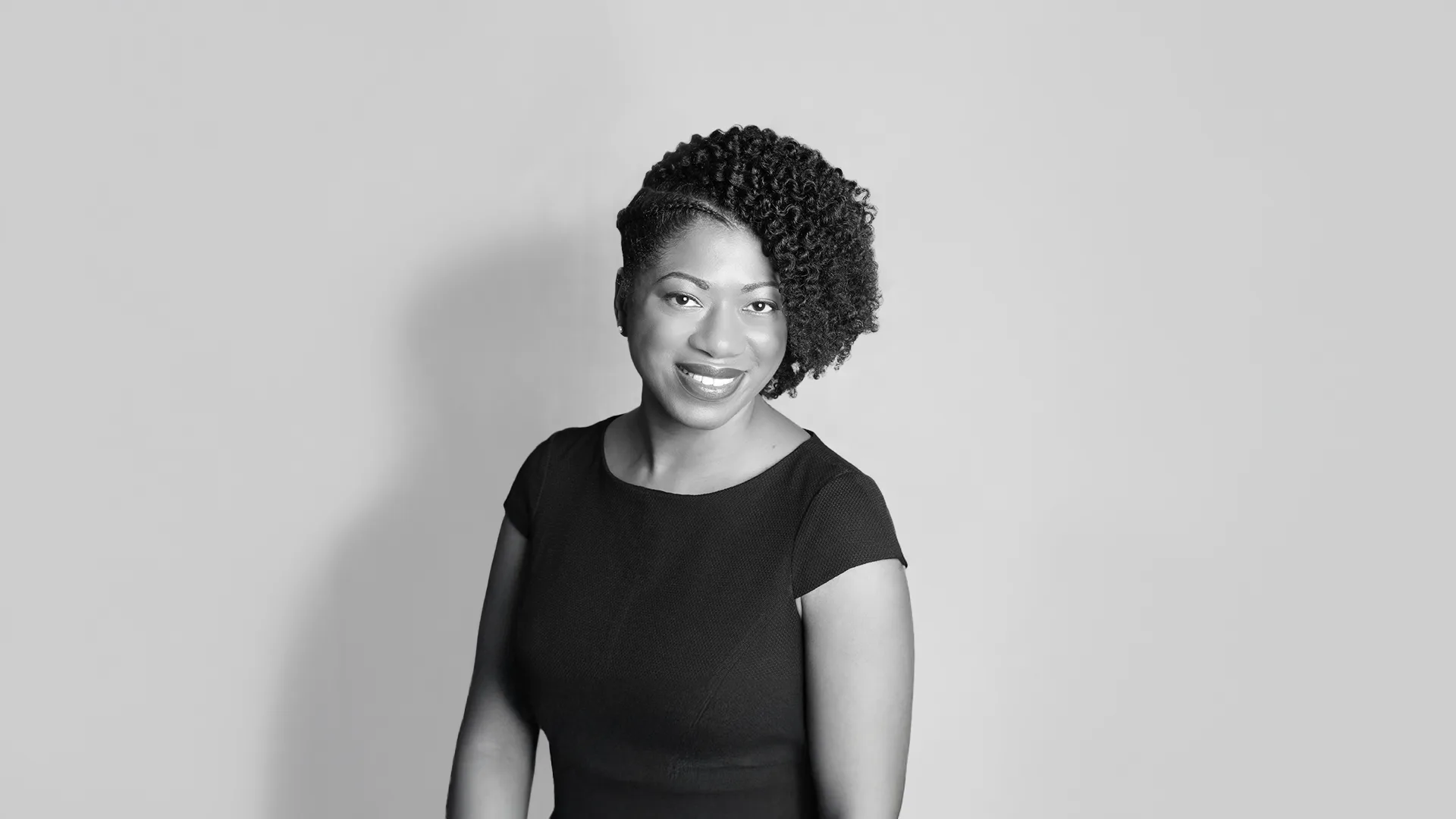
The objective is not only to reduce environmental impact. It is also to give employees more time.
“Reclaiming time is a lever for a happier kind of ecology,” Jugla explains.
For Carbo's HR lead, creating a greener company also means creating a model that is more transparent, more collaborative and more attractive. The aim is to combine economic performance, employee wellbeing and environmental responsibility.
Key idea: A carbon audit turns a general climate commitment into a measurable management tool that companies can use to take action.

5. Turn climate finance toward the global south
Only 3% to 15% of climate finance reaches lower- and middle-income countries. Yet these countries face some of the strongest impacts of climate change and account for much of the growth in emissions.
The Climate Finance Fund aims to reduce this gap.
Its goal is to show investors that financing climate solutions in the global south is not only a risk. It can also represent an investment opportunity.
“We are behind the scenes, funding opportunities for change in the financial system,” explains Marilyn Waite, managing director of the Climate Finance Fund (CFF).
“We want to make sure the market rules work for people and planet, which they currently don't. The inertia of the system is that it does not properly factor in all those negative externalities of fossil fuels and polluting agriculture, for example. We also participate in the market directly to prove that something perceived by investors as not feasible for climate action actually is.”
Social justice and equity are central to CFF's work. They also highlight the limited amount of climate finance reaching the global south.
“Between 3 to 15% of climate capital crosses the border into lower- and middle-income countries known as the global south,” Waite says.
“So it's a real challenge, because the global south is where the majority of the emissions growth is, so that's actually where most of the action in terms of greenhouse gas mitigation is needed. It's also where climate change has the largest impacts.”
Waite recently chose Jamaica to host the Global Climate Finance Forum. She points to the country's exposure to climate change and what she calls its “climate genius”.
“There’s been remarkable innovation. Jamaica was the first country, for example, to issue a climate disaster bond.”
Investors may also be missing financial opportunities by avoiding emerging markets.
“Emerging markets offer outsized returns for a number of financial asset classes. In 2019, for example, Jamaica had the highest-returning stock market in the world. So lots of money is being left on the table by excluding the global south from one's portfolio.”
CFF has also supported a publicly accessible database of listed climate-solution companies across the global south.
It includes companies working in areas such as wind power in Jamaica, geothermal energy in Indonesia and solar power in Namibia.
“We need to help motivate and incentivise investors to allocate the capital to those areas,” Waite says.
Key idea: Directing climate finance to the regions most affected by climate change can support climate action while also creating investment opportunities.

6. Turn captured carbon into building material, fuel and food
Nicholas Chadwick, Shiladitya Ghosh and Gaël Gobaille-Shaw are a chemist, a chemical engineer and an electrochemist.
They came together around a shared observation: excess CO2 is a major cause of climate change, while the same molecule can also be used as a raw material.
Their idea is to capture carbon dioxide directly from the air and use it, rather than simply store it underground.
Mission Zero uses Direct Air Capture technology and custom engineering to remove CO2 from the atmosphere.
The captured CO2 can then be used by other industries instead of being treated only as waste.
Possible applications include building materials, food and aviation fuel. It can even be used to make vodka.
Each application gives the captured carbon a practical use.
As the three founders put it: “[Humanity] is facing an extinction event largely caused by excessive amounts of CO2, when we have endless uses for that CO2.”
Key idea: Capturing CO2 becomes more useful when the captured carbon can be used as a raw material by other industries.

7. Turn plant waste into a material that leaves no trace
Plastic is made from artificial molecules and is designed to be durable. This makes its disposal difficult. Much of it is not recycled and ends up in the environment.
Traceless aims to provide another option.
The company uses plant residues from food and bioethanol production to create a natural alternative to plastic.
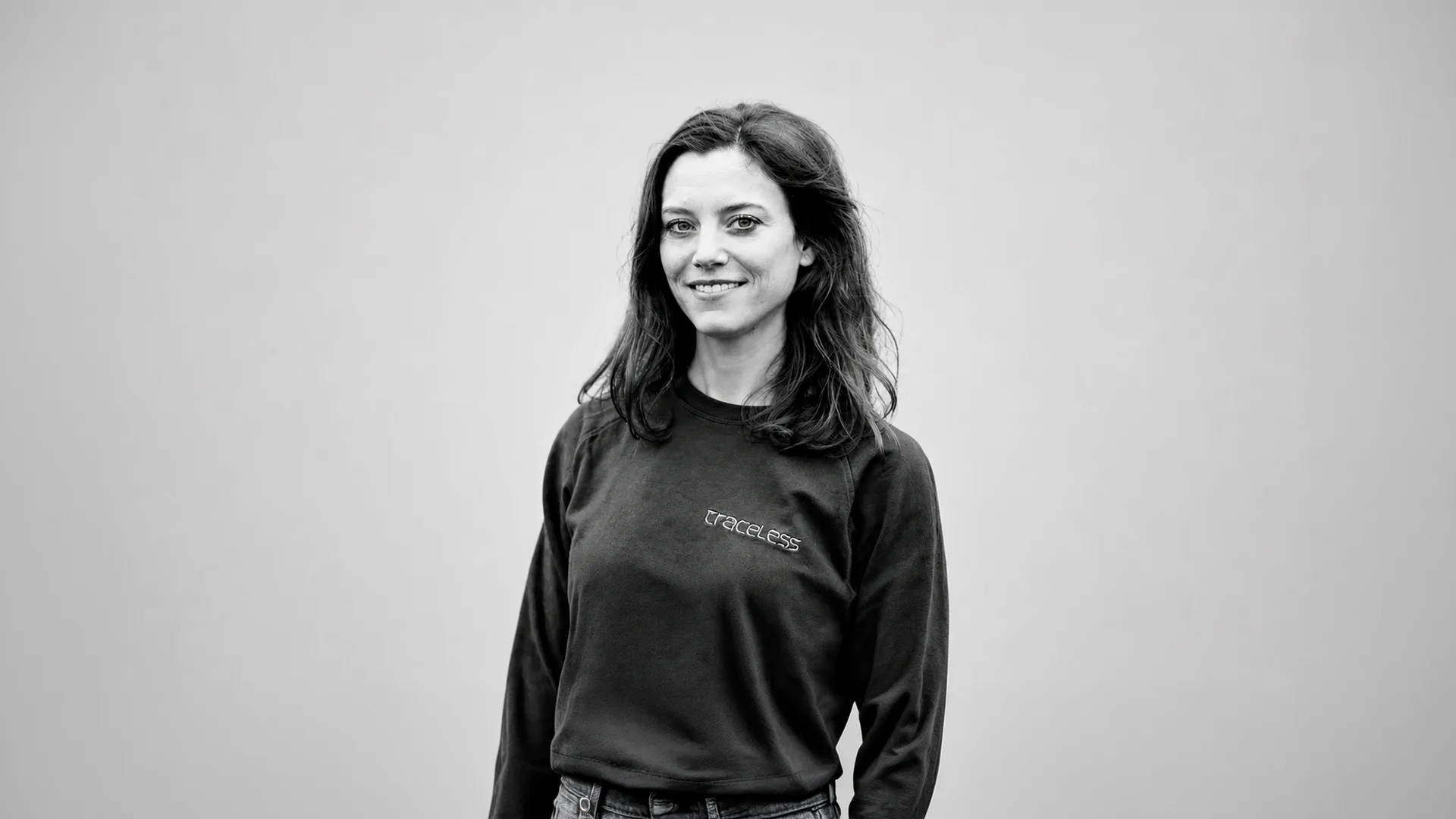
Anne Lamp developed the original process for transforming these plant residues into a new material. She later founded traceless in Hamburg.
The company has grown from this idea into a small industrial company with a global market.
“Traceless means leaving no trace. That is the great advantage of our materials: they are designed to integrate into the biological cycle. That means they are 100% natural in origin, and after use they leave behind no harmful trace,” Thoma explains.
The material is produced in the form of granules. It is neither conventional plastic nor bioplastic. It belongs to a different category.
“The technically correct term is a natural polymer, that is, a natural substance that formed at the molecular level in nature. What we do is take natural molecules that grew in the plant, extract them from these plant residues, and use them exactly as they are in our materials.”
According to Thoma, the material looks and performs like plastic.
It also has several other advantages. It is made from natural materials, can return to the biological cycle after use, requires relatively little energy to produce and can reduce dependence on fossil raw materials. It is also biodegradable and can be composted.
For the material to be used on a larger scale, Thoma believes that regulations also need to change.
Plastic remains cheaper than natural alternatives such as traceless, even after recent price increases. One way to encourage companies to invest in bio-based materials would be to change the way CO2 is priced.
Key idea: A material can replace plastic at scale only if it offers comparable performance and a competitive price. This makes the price of carbon an important part of the transition.

8. Turn "ugly" produce into a market of its own
Nearly 11 million tonnes of food are thrown away in Germany every year, according to the Federal Environment Agency.
Some food waste starts with the way fruit and vegetables are sorted.
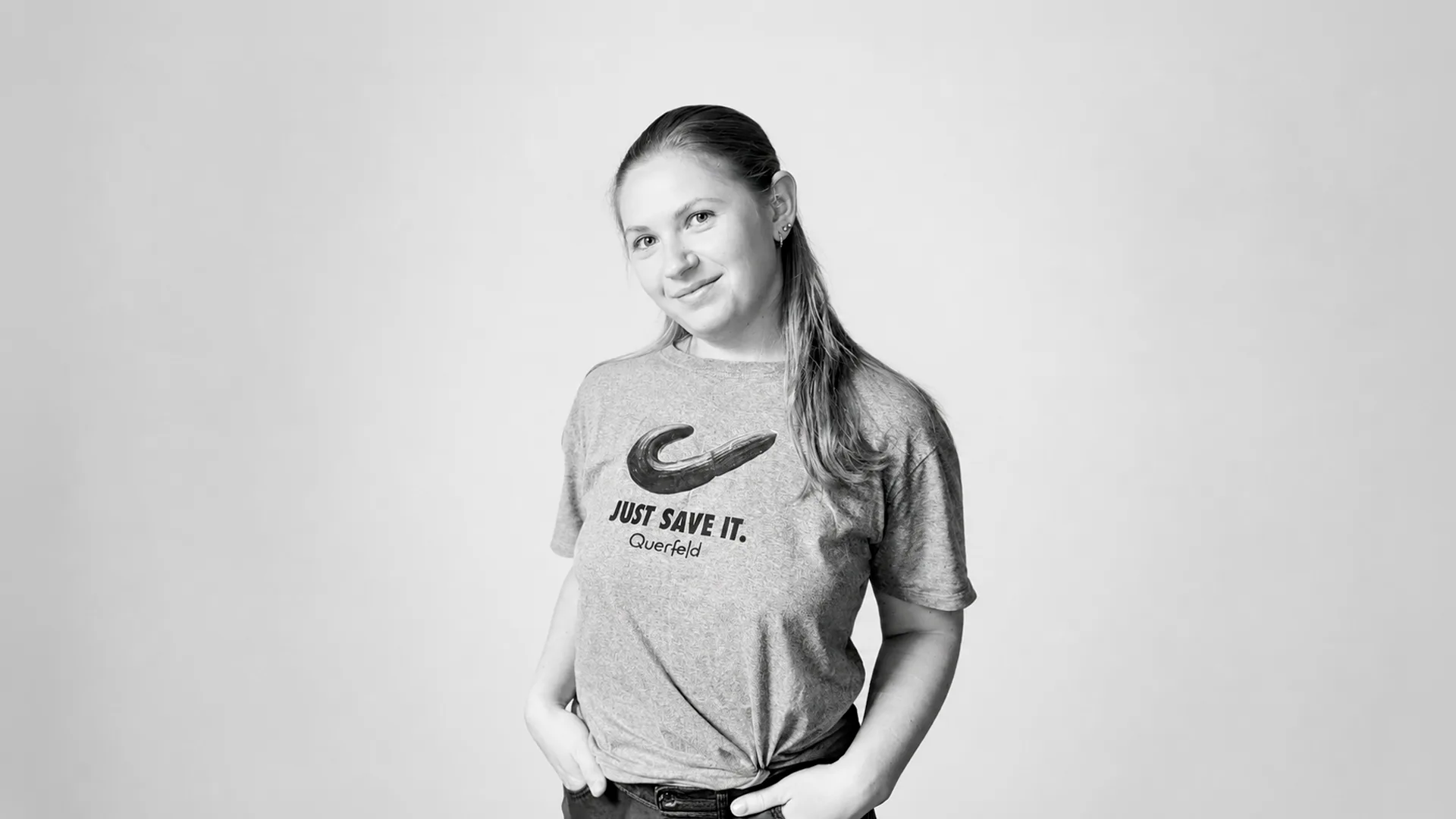
The idea behind Querfeld is to give fruit and vegetables that do not meet cosmetic standards a real market instead of sending them to waste.
Fruit and vegetables must meet certain standards, mainly for weight and shape, to be classified as “A-grade”.
Produce that is misshapen, scarred, too large or too small is classified as “B-grade”, even when it is perfectly suitable for consumption.
Querfeld was initially created as a marketing company to raise awareness of this type of food waste and the lack of value given to such produce.
It later became a wholesale business. Today, Querfeld sells B-grade produce to customers including daycare centres, canteens and restaurants.
“We explicitly want to avoid stockpiled goods. That's why we don't order large quantities and just hope they get bought, because then we're back to the very food losses we're trying to avoid,” explains Yana Graf, Querfeld's coordinator.
The process is organised around demand. Querfeld shares producers' offers with customers. Customers place their orders, and the produce is delivered after harvest.
“Over the last ten years we have definitely rescued 2.4 million tonnes of food, specifically B-grade produce. But we also sell A-grade produce from our producers, so that the logistics are worth it,” Graf says.
For Graf, efficient logistics are essential. Delivery routes need to be organised in a way that keeps transport efficient, affordable and as low in CO2 emissions as possible.
Customers also need to understand that B-grade produce still requires the same resources as other food.
“The plant was planted, it used land, it needed water to grow, people harvested it and transported it. All of that costs the same. It's simply sold a little cheaper because of its shape,” she explains.
Initiatives such as Kantine Zukunft are helping to promote organic and B-grade produce. But making the model economically sustainable remains difficult.
Graf hopes this will change and continues to work toward that goal.
Key idea: Food waste can begin with appearance rather than food quality. Creating a market for imperfect produce helps preserve the value of food that is still perfectly usable.

9. Turn bottled water into wells for people who have none
The founders of Auara saw first-hand the lack of access to drinking water in countries such as Ethiopia and Cambodia.
They also saw its consequences for health, education and nutrition.
They decided to use an everyday product, bottled water, to finance water infrastructure.
The idea is simple: sell bottled water like any other brand and use part of the profit to finance wells, sanitation systems and rainwater collection in vulnerable communities.
Once operating costs are covered and part of the profit is reinvested in the company's growth, the remaining profit is used to finance these projects.
“We wanted to compete with a real product and prove that it is possible to do business while generating positive social and environmental impact,” explains Pablo Urbano, co-founder of Auara.
For more than ten years, the company has supported hundreds of projects in several countries and helped provide drinking water to thousands of people.
In a market dominated by large multinational companies, Auara also uses recycled packaging and circular-economy practices.
Its model shows how an everyday purchase can contribute to social and environmental change. It also shows that profitability and impact can be combined within the same business.
Key idea: An everyday product can generate regular funding for essential infrastructure when part of its profit is dedicated to social and environmental projects.

10. Turn sewing into a lesson about what things are worth
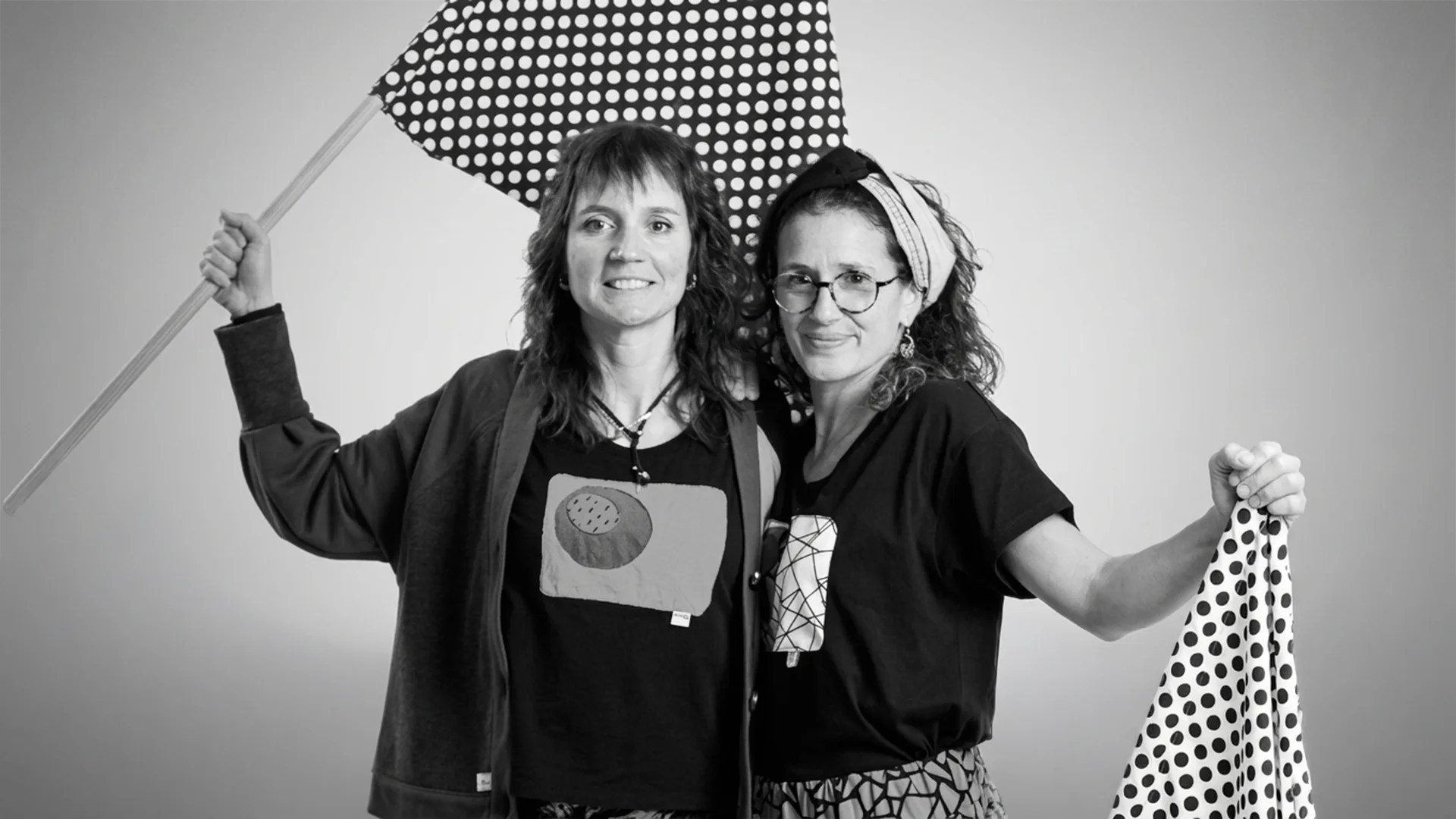
Planeta Dots visits schools, villages, companies and rural communities.
Its goal is to use sewing as a way to help people think about the value of everyday objects.
The workshops encourage participants to slow down and understand how much time and work goes into making the clothes they wear.
“Sewing makes the value of things visible. We live surrounded by clothes, we rush past them, we consume without thinking, but we have no idea how much time that work actually takes,” explains Roser Giralt.
The workshops bring together primary school children, employees and other groups.
“We look at each other's faces, and suddenly the child who once had time for this, for stopping and making something, is born again.”
In 2022, a serious breakdown left the project's travelling caravan unable to operate.
The incident became a test for the community around the project. The response from its network showed the founders the strength of these relationships.
“These are impacts that don't fit on a spreadsheet, but we know they matter,” the founders acknowledge.
“A project needs values, strategy, financial sustainability, the ability to adapt. Much of our growth has come from lifting our eyes from our own workshop and looking among the people around us to build alliances,” say Lorena Heras and Roser Giralt, the two founders.
They also warn that good intentions alone are not enough to build a successful circular-economy project.
Key idea: The impact of a project is not always easy to measure. The community it creates can become an important source of strength, especially during a crisis.

11. Turn used cooking oil into cleaning products, on-site
Souji was created to address a common problem: what to do with used cooking oil.
Catalina Trujillo, co-founder of the company, saw this waste as an opportunity to create value and reduce environmental impact.
The idea is to allow restaurants and hotels to transform their own used cooking oil into cleaning products on-site, instead of transporting the oil elsewhere as waste.
Together with her partner Sergio Fernández, Trujillo adapted traditional knowledge about making soap from fats into a modern solution.
After more than three years of research, they developed a formulation that can transform used oil into cleaning products within minutes.
The process does not require corrosive or toxic substances and does not require heat.
As Trujillo explains, it makes it possible to “get the same result, that transformation of oil into cleaning products, but in a harmless way... no corrosives, no toxins, in just a few minutes.”
Souji now focuses on the hospitality sector.
The company has developed a device that allows restaurants, hotels and cafés to transform their own waste into products they can use every day.
The model can reduce transport and waste-management costs. It also changes how one of the most common waste streams in the food sector is managed.
Key idea: Processing waste where it is produced can reduce transport and turn a disposal problem into a useful product.

12. Turn appliance repair into a strategic skill
Guy Pezaku and his four co-founders wanted to address a specific problem: too many household appliances are thrown away instead of being repaired.
At the same time, France has fewer and fewer trained repair technicians.
Their idea was to build a nationwide repair network with salaried technicians and create training programmes to develop new repair skills.
“At the start, we wanted to solve the problem of over-consumption of household appliances,” explains Guy Pezaku.
“So we came together with my four other co-founders to build a repair service that works efficiently everywhere in France, with salaried technicians.”
The shortage of technicians led the company to create its own training organisation.
Murfy now allows nearly 60% of French households to find a technician who can come within 24 hours to repair an appliance.
The company is the leader in out-of-warranty appliance repair in France. It repairs appliances in more than 83% of cases. In one case out of two, no replacement part is needed.
“Because the best fridge is the one already in your kitchen,” Pezaku says.
The company later expanded its activities to home energy.
“We then asked ourselves how to go further with our social and environmental mission,” Pezaku recalls.
“So we launched activities around home energy: installing and maintaining solar panels, as well as heating systems such as heat pumps.”
Producing a washing machine generates around 300 kg of CO2, including emissions from material extraction, manufacturing, assembly and distribution.
Repairing a washing machine instead generates around 12 kg of CO2.
“So it is both a question of French sovereignty and household independence, and a way to reduce our environmental footprint by cutting our CO2 emissions,” Pezaku explains.
“We are part of a whole movement of companies trying to change things, and it is the sum of all these collective efforts that creates change,” Pezaku says.
“We are proud of what we do, and that is what motivates our teams every day. For 30 years we have told young people that progress means buying cheap products made on the other side of the world, so we stopped training people for technical trades. Developing these skills across French regions is a strategic issue for the country.”
Key idea: Training more repair technicians can make repair easier to access and reduce the environmental impact of household appliances.
Twelve approaches, one European challenge
These twelve initiatives address different parts of Europe's climate transition.
WeWard encourages people to walk more. Feux de forêt uses citizen reports to improve wildfire information. Forêts en Vie protects small private forests as a shared resource. Carbo helps companies measure their emissions and identify ways to reduce them.
The Climate Finance Fund works to direct climate finance toward the global south. Mission Zero uses captured CO2 as a raw material. Traceless uses plant residues to create an alternative to plastic.
Querfeld creates a market for fruit and vegetables that do not meet cosmetic standards. Auara uses profits from bottled water to finance water infrastructure.
Planeta Dots uses sewing to help people understand the value of everyday objects. Souji transforms used cooking oil into cleaning products on-site. Murfy trains technicians and makes appliance repair easier to access.
These initiatives do not follow a single model for Europe's climate transition.
Instead, they show that climate action can begin at many different points.
It can start with everyday habits, such as walking, choosing a product or repairing an appliance.
It can depend on companies and investors that measure emissions and environmental impact and then act on that information.
It can require new approaches to materials, energy and waste, so that resources are reused instead of discarded.
It can also depend on protecting natural ecosystems such as forests, which support the wider climate transition.
The initiatives presented here come from France, Germany, Spain and the United Kingdom.
They use very different tools: a walking app, a carbon audit, a climate finance database, a new material or a repair network.
But they share a common idea.
Reducing emissions is not only a question of ambition. Climate action becomes effective when the right habits, materials, capital and protections are available to the people and organisations that can act.
Europe does not need to invent every solution from the beginning.
Some of these solutions already exist.
The challenge now is to make them better known, connect them and help more people benefit from them.