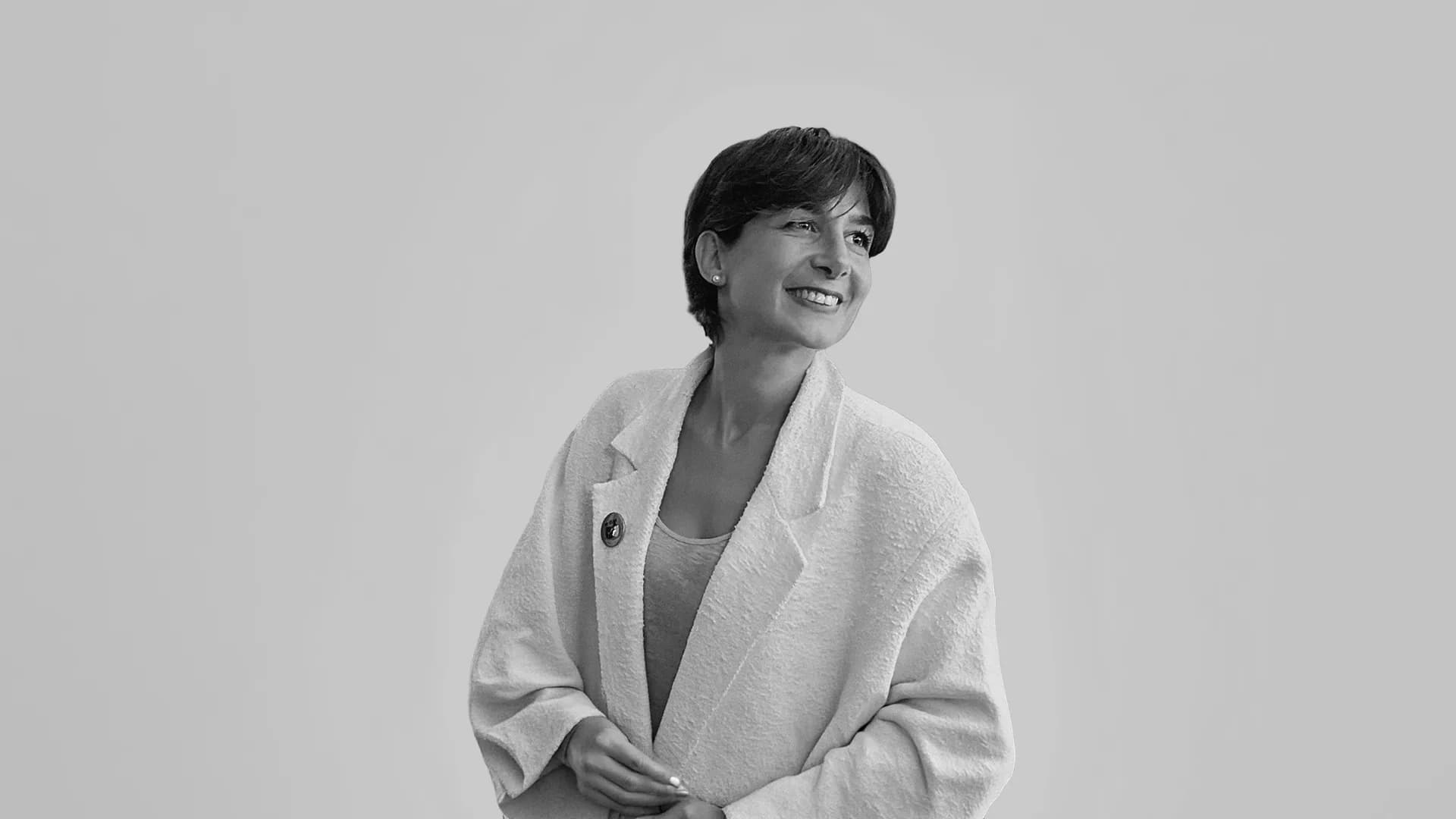
The association was founded in 2006 in Vénissieux, near Lyon, following the urban riots of 2005, which were triggered by the deaths of two teenagers, Zyed and Bouna, in Clichy-sous-Bois. Positiv was born from the observation that professional exclusion and distance from the job market could foster a sense of marginalization. "If people are sometimes victims of discrimination, it might be easier to find clients than an employer, so we help them create their own businesses," explains Claudia Ruzza.
Since then, the association has expanded to 170 neighborhoods across France. It supports residents at every stage of their project, from the idea to the creation. It also focuses on building confidence and motivation. Over the past 20 years, it has assisted around 30,000 people and contributed to the creation of 13,000 businesses.
The projects are mainly related to the local economy, including construction and public works (BTP), transportation, bakeries, hairdressing, catering, and services. "We support projects in the local economy, in daily life, which are sometimes seen as small projects, but in reality, they are not small at all," emphasizes Claudia Ruzza.
For the CEO, entrepreneurship also helps change the perception of these areas. According to estimates, 25% of residents in these neighborhoods are engaged in entrepreneurial activities. "We rarely talk about the normal life" of these neighborhoods, she laments. Neighborhoods are also home to "people who live, create, work, produce, and ultimately keep a part of France running, quite simply," concludes Claudia Ruzza.