
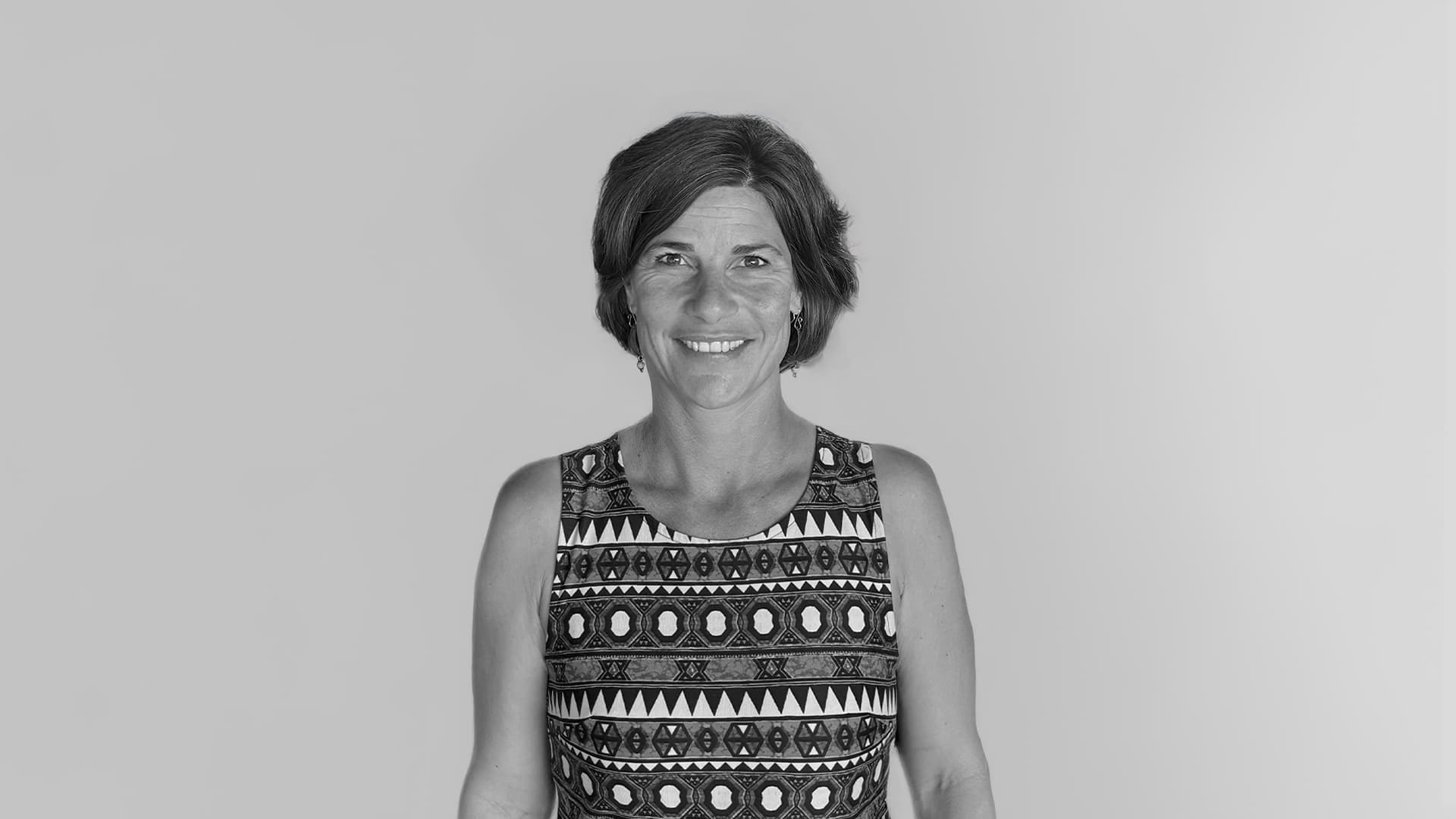
"Our core business is washing glass containers, wine bottles, juice bottles, beer bottles, kombucha, milk, and some jars and pots,” explains Valérie Dumesny. “Dirty bottles come to us. We wash them and then send them back to the producer and the distributor to refill them.”
A technique that is ultimately quite simple and well-known to older generations, now making a comeback: the deposit system! “This is a sector that had completely disappeared from the economic landscape since the arrival of plastic in France,” notes Valérie Dumesny. "At Locaverre, established in 2007, we have simply reinstalled an entire sector.”
Indeed, washing bottles is just one part of the chain. First, it is necessary to convince bottlers and producers to offer reusable glass containers in their range at the source, thus allowing them to benefit from the "reuse" logo to stick on labels, which informs consumers that their bottle will be reusable.
Next, a network of collection points must be implemented to allow consumers to return these glass containers to organic stores or producers, and increasingly to large retailers.
These practices need to be reinstated, as the effort is worthwhile. “To produce a new glass bottle, about 75 centiliters of water are needed, while we only use 33 to wash it,” explains Valérie Dumesny. “And then, to create a new bottle, a furnace must be heated to over 400° for more than 24 hours. We heat the water to 80°.”
Since the creation of Locaverre, 4 million bottles have been washed, equivalent to the waste of 5,200 people saved over a year. This translates to 70,000 showers and 4,000 tons of CO2 avoided, or 400 times around the Earth in a gasoline car, according to Valérie Dumesny.
"These savings in the use of natural resources address today's crucial challenges,” emphasizes the CEO of Ma Bouteille. “Furthermore, through the cooperative principle and the territorial network, we encourage people to meet. We highlight local producers, contributing to the dynamics of local economic relocalization.”
Locaverre plans to wash 2 million bottles by the end of the year; 10 million by 2030. "This will involve various approaches. But also, citizens need to accept to take this important step for ecology.”