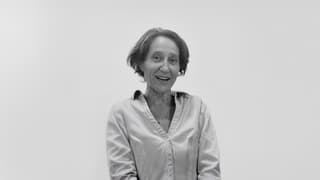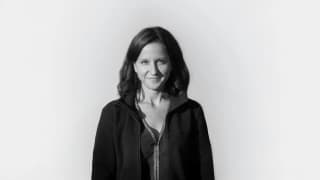
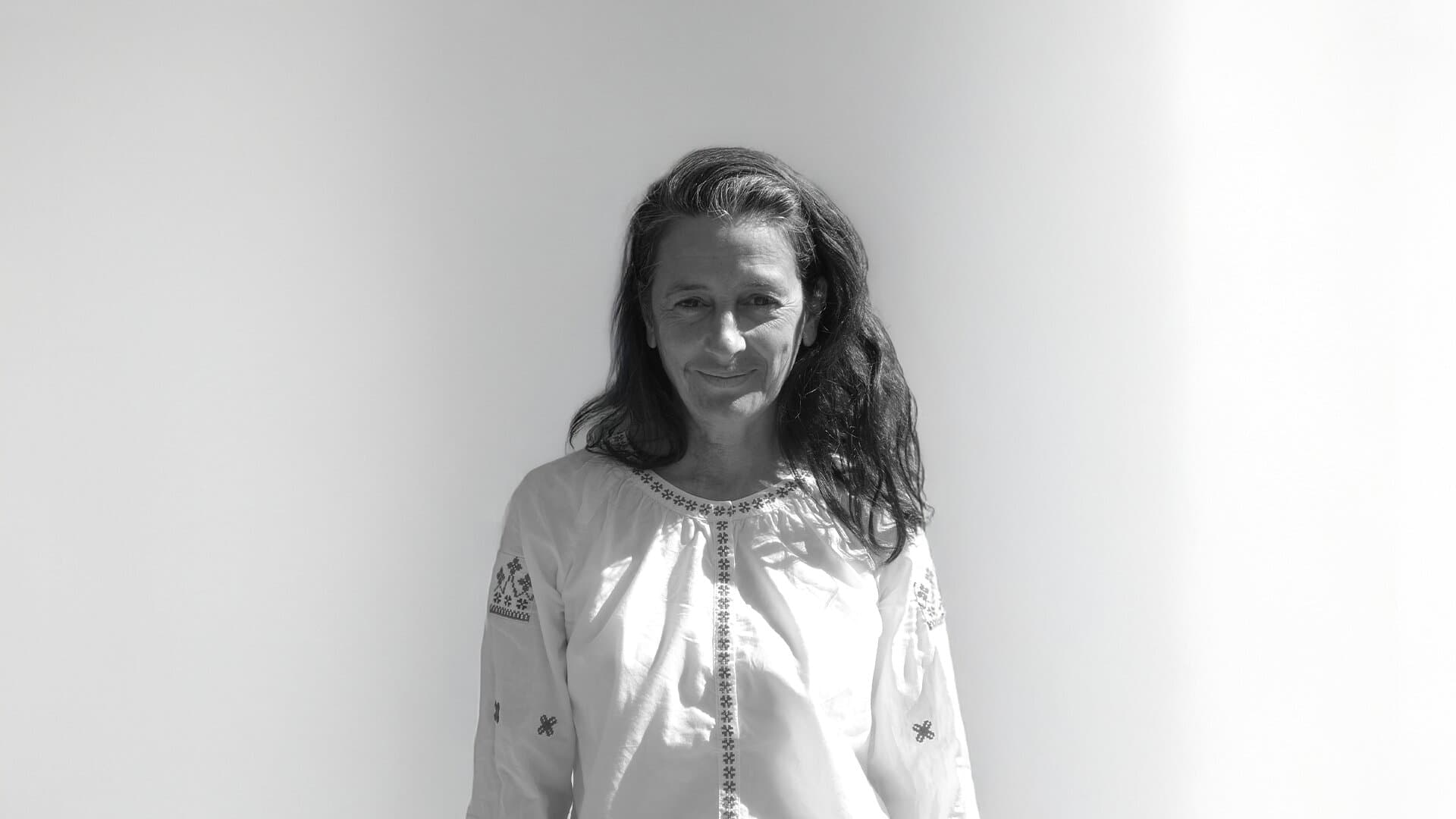
"Cinema remains one of the few collective experiences we have left,” explains Louise Ylla-Somers. “It’s also one of the easiest doors to open for an audience distanced from culture. It’s less complicated than a theater or an opera. It remains something very popular, and that’s our strength. Moreover, it’s a window to the world, meaning it brings us stories from all over the globe, helps us understand the world around us and understand ourselves. We build a common foundation on which we can exchange, and I think that’s essential for community life.”
La Quinzaine en actions works with the associative network of neighborhoods, local missions, social centers, MJC, training centers, hostels, and apprentice housing.
The core of the initiative consists of supporting screenings of festival films, of what we call auteur films, across France, with organized meetings with the film team, and inviting residents from priority neighborhoods.
In addition, La Quinzaine en actions organizes screenwriting workshops, short story workshops, and directing workshops, particularly aimed at women in great difficulty. The goal of these workshops is primarily meeting, sharing, and transmission, even though we also learn the codes of screenwriting and directing.
This decoding can be essential for better understanding and apprehending the images that surround us. “Of course, it changes our perspective on the images we see,” insists Louise Ylla-Somers. “That’s also a bit of the goal we’ve set. We are overwhelmed with images. It becomes complicated to untangle the true from the false. Image education is something we really need to promote. It’s not a luxury to reflect on images, on how they are made; it gives us a bit of distance from what we see all day long scrolling on our phones and tablets.”
The initiative reaches its peak during the Cannes Film Festival. That’s where it started, and that’s where it gathers once again each year. "The idea was to open the doors. And also, in continuity with the philosophy of La Quinzaine des réalisateurs with strong political convictions, meaning a bit in contrast to the official, very closed, reserved for the elite. The democratization of culture has been stalling since the 50s/60s, since the calls of Malraux, of Jean Vilar, who already said that it was necessary to open up to everyone, that it had to be 'elite' for all. It’s always the same people who engage with culture, the affluent. There’s really a whole part of France that does not have access to culture, so we need to work towards that. We need to share it, we need to take people by the hand, we need to open the doors, we need to support.”