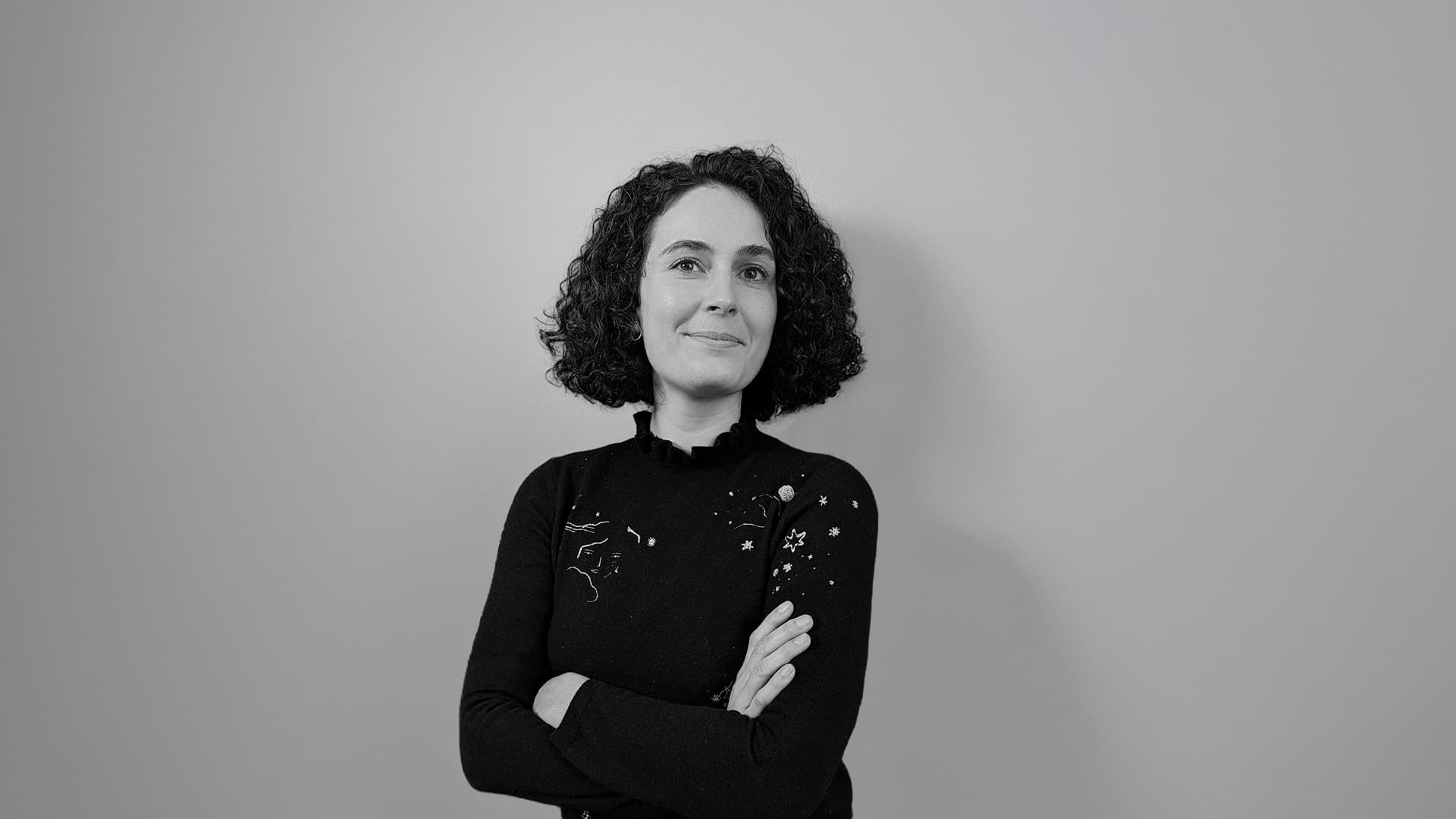
L'École de la générosité has created an educational program so that teachers can guide children from first to fifth grade to experience active citizenship for the first time.
“Because we know that a memory from which one emerges with a sense of pride will mark the civic journey,” emphasizes Chloé Laudereau. “And so we try to start this journey with a collective and joyful experience of solidarity.”
The experience will unfold over a school year. Students will first go through a phase of awareness led by the teacher in class. They will work on the question of emotions, learn and understand what empathy is, put themselves in someone else's shoes, and also reflect on the causes for which it is possible to get involved. Following this, the students will proceed to a vote.
“It is important that students are active participants in the process throughout the program,” explains Chloé Laudereau. The teacher will then be able to connect with an association they know in their area or one suggested by L'École de la générosité through its network of partner associations. The chosen association will then come to meet the children.
“It is extremely important in the philanthropic or solidarity project approach to ensure that children understand what need an association addresses and how it responds to it, so they can think about how they can contribute at their level. We try to show them that we all have the power to act and that we can activate it regardless of our age,” explains Chloé Laudereau.
More than 25,000 children and over 1,000 teachers have already embarked on this active citizenship experience since the association was created.
The program offered by L'École de la générosité allows 69% of teachers to report that the school climate has improved following the experience, whether it concerns relationships between students or with the teacher.
“Students are better able to try to resolve their conflicts themselves because they work on putting themselves in someone else's shoes, also understanding their point of view. And inevitably, this improves their ability to cooperate and live together in a classroom throughout the year.”
There are therefore immediate concrete repercussions, perhaps leading to a commitment that will last longer, which they will want to repeat as they grow older.
“We are talking more and more about psychosocial skills. It is this action that we have carried out with many other associations working on these themes that has led to this collective work and the fact that it is now included in school programs. We no longer need to convince teachers that project-based pedagogy has a very strong impact, especially on citizenship-related issues. Today, there is less need to convince than to develop empathy,” concludes Chloé Laudereau.