For seven years, she traveled the world with the association's teams, meeting communities living in harmony with their environment, from the Arctic to the Antarctic, including the Pacific and the Amazon.
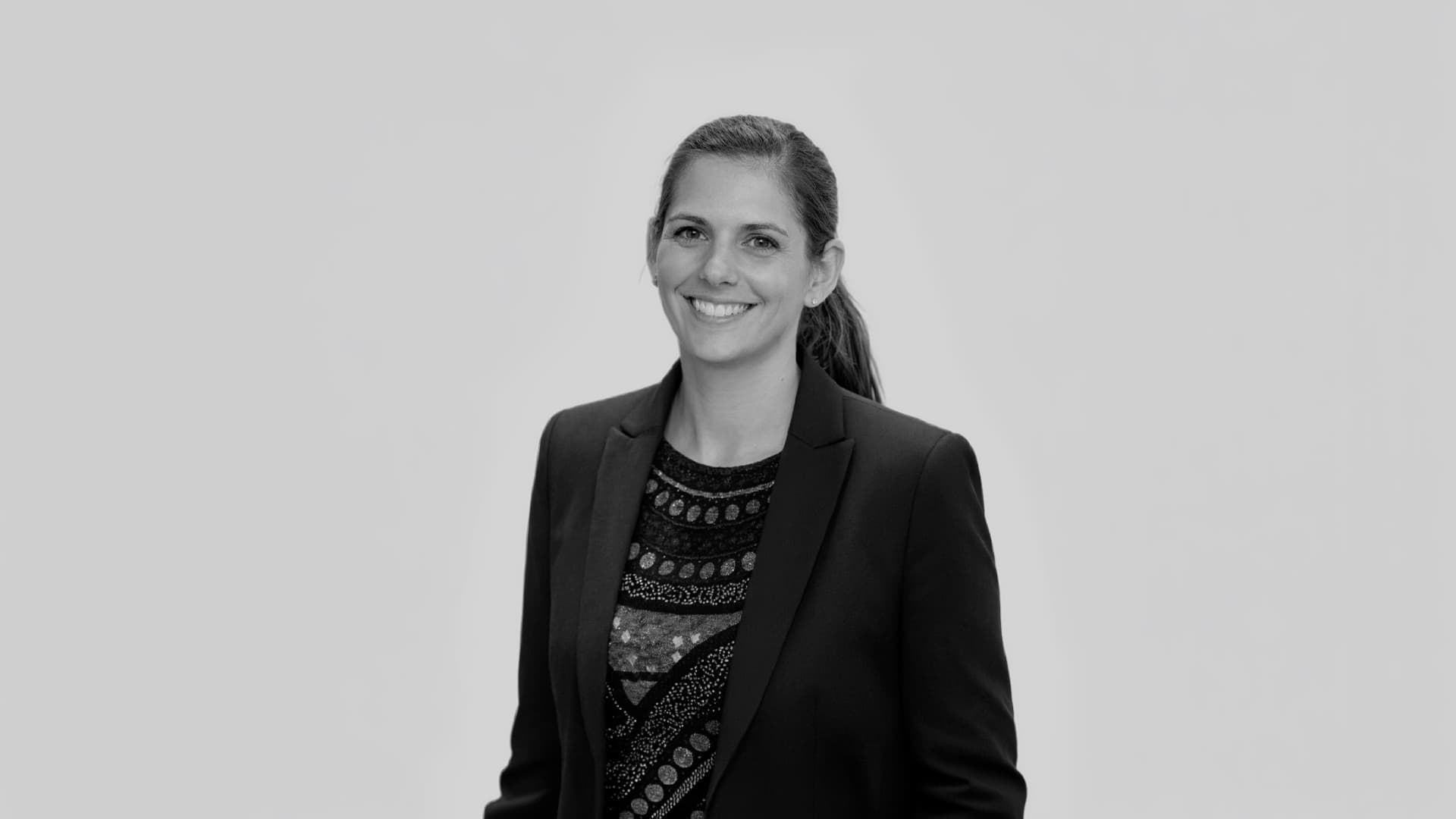
« I worked for over fifteen years in humanitarian action, particularly in Central America, in Sahrawi refugee camps, in Chad, and in Syria. Through these experiences, one observation became clear: regardless of cultures, beliefs, or political systems, crises often stem from an imbalance in access to resources and power relations », explains Marion Courtois.
In contrast, the traditional peoples encountered during these expeditions share common values: intergenerational transmission, a sense of community, respect for natural limits, and responsible resource management. This conviction guided the creation of Maewan and its exploration programs that combine scientific research, socio-anthropology, education, and cooperation with local territories.
Founded with Erwan Le Lann, a high mountain guide and extreme expedition specialist, the association now relies on a network of around a hundred experts, including ethnologists, biologists, glaciologists, educators, and athletes. Together, they work on various issues, ranging from intensive salmon farming in Patagonia to promoting more sustainable tourism in Polynesia.
Today, Maewan structures its action around three main axes. The first is dedicated to advocacy for ocean protection, particularly through supporting the implementation of the high seas treaty and the development of marine protected areas.
« The ocean covers 71% of the Earth's surface and produces nearly half of the oxygen we breathe. Protecting it is a major challenge in addressing climate issues », emphasizes Marion Courtois.
The second axis focuses on education for sustainable development. The association works in schools, from kindergarten to university, to reconnect young people with nature. This mission is even more essential today as children spend much less time in nature than they did a few decades ago.
Finally, the third component aims to support territories in their ecological transition. The association collaborates with local authorities, businesses, and economic sectors to develop more resilient models in the face of climate change.
Each year, Maewan raises awareness among nearly 150,000 people, trains about 1,500 children, and supports several economic sectors, particularly in mountain tourism and fishing.
For Marion Courtois, businesses also have a central role to play in this transformation. « The ecological transition is everyone's business. Associations, public authorities, and businesses have complementary roles. Protecting the ocean means protecting life, but it also means preserving our economy and our collective future », she believes.
The association is now preparing for a new three-year expedition to the Arctic. This will bring together scientists and representatives of Northern peoples — Sámi, Yakuts, Inuit, and Inupiat — to study the effects of climate change and support the development of marine protected areas.
« The Arctic is becoming a sanctuary for many species, but it is also one of the most threatened areas by climate change and the intensification of human activities. Understanding the solutions developed by the peoples who have lived there for generations is essential for imagining the responses of tomorrow », concludes Marion Courtois.