
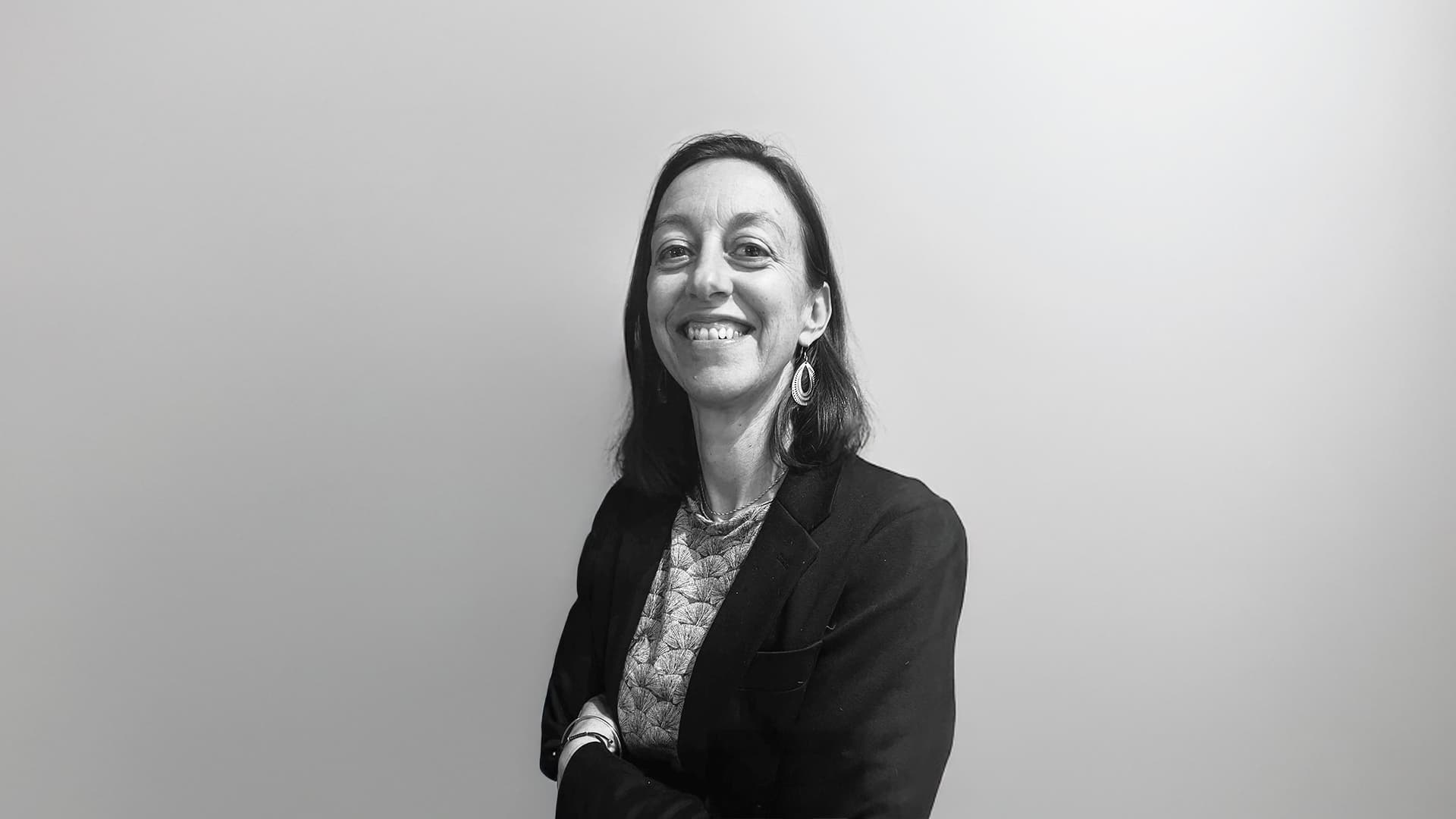
The ASFAD is an association founded in 1983, well-known in the area, particularly for supporting women who are victims of domestic violence. It has four areas of action: child protection, professional integration, social cohesion, and early childhood, which manages childcare facilities for young children while supporting vulnerability and parenting. “All of this is done in a mixed reception of families from different neighborhoods,” emphasizes Marie Pécot. “When we talk about diversity, it is really in the broadest sense, cultural and social diversity, which reflects today's world and is important to address from early childhood.”
However, Marie Pécot wanted to go further in her mission, venturing into a field that was previously unfamiliar to her. "As a director, we have to manage everything related to the buildings, and we have aging daycares,” she recounts. “And our teams are really focused on ecology, using recycled materials, and making the most of the garden present in each facility.”
Thus, the idea came to think about the ideal daycare of tomorrow. A sort of dream that Marie Pécot presented at a national competition, which she won, giving her the opportunity to be supported in realizing this ideal. The idea is to construct with a material called Ipac, ecological and innovative, which consists of honeycomb cardboard panels, to be assembled by a local ESAT. This tool allows for significant gains in terms of insulation, both thermal and acoustic, thereby reducing energy consumption.
"There is a real necessity to think about the building of tomorrow in this context of global warming that we are facing,” continues Marie Pécot. Many daycares have already embraced the idea of connecting with nature. Here, the goal would not necessarily be to have children outside all day, but rather to be in a space that allows for outdoor access while providing a cozy interior.
“I believe we can still change things and encourage everyone to reflect on what this reception will enable us to build for the children, who will indeed be the adults of tomorrow,” concludes Marie Pécot.
The “Cardboard Daycare” project is expected to be realized by the end of 2026.