
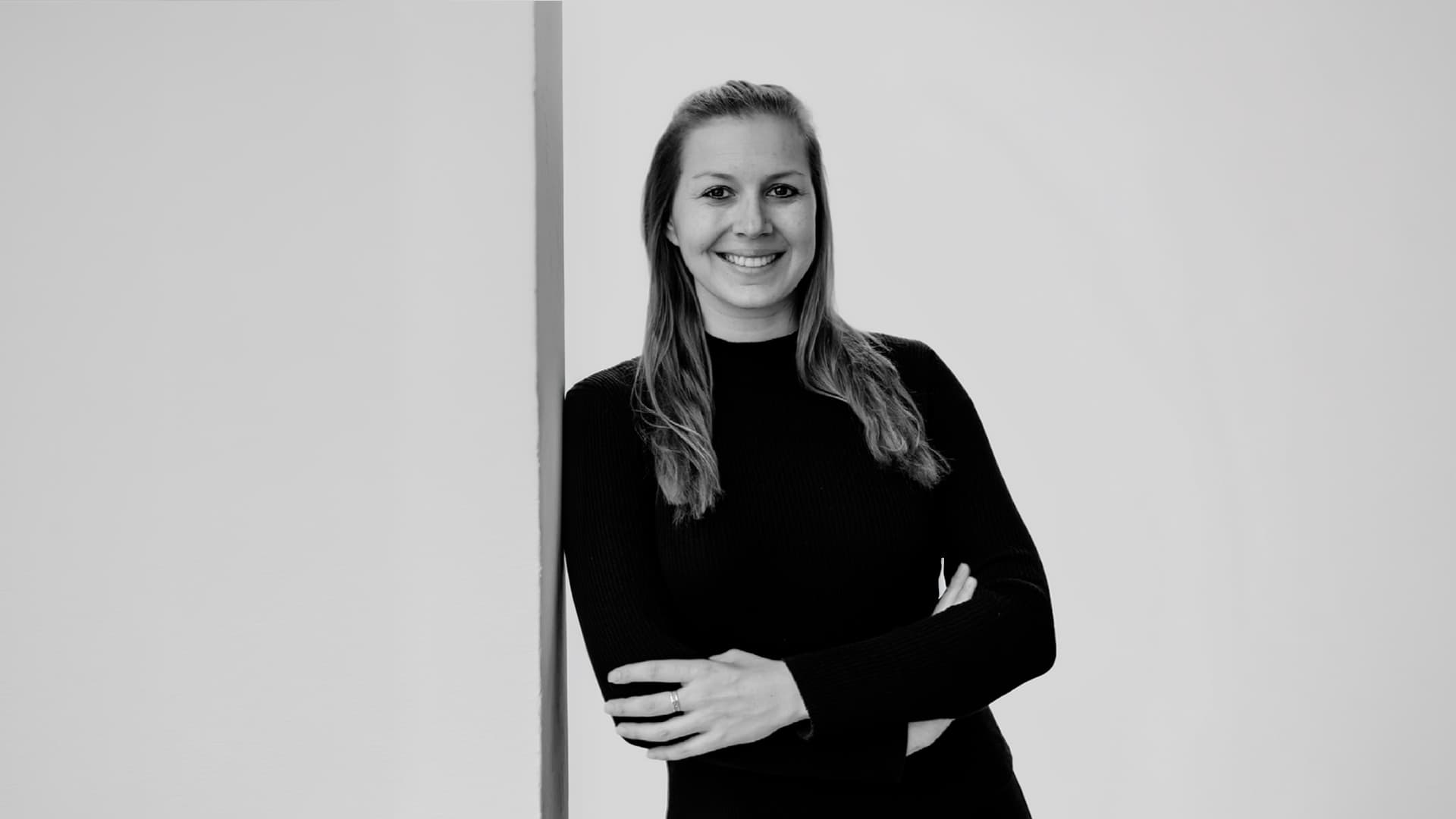
The SWANS Initiative is a post-migrant self-organization. This means that all employees and volunteers are part of the community themselves. Martha Dudzinski provides two reasons for this. First, it ensures better support because there is a greater understanding of each individual's experiences. Second, it is a matter of credibility. The guiding principle should not only be implemented in other companies. The SWANS team itself is an example of how this can work.
As founder Dudzinski knows, Migra-daughters (daughters from immigrant families), BIWOC (Black and Indigenous Women of Colour), and Women of Colour have very different experiences and hurdles compared to white women without an immigration background. The technical term is intersectionality, which describes how individuals from this community are disadvantaged simultaneously due to sexism and racism. This starts early on. Martha Dudzinski reports that many swans, as the members of the initiative are called, have to take on family responsibilities instead of enjoying their free time. This includes tasks such as dealing with authorities, filling out tax returns, and often also financial responsibilities. In the professional context, underestimation is a problem. Often, Migra-daughters, BIWOC, or Women of Colour are not hired. The reasons for this are prejudices, such as the assumption of limited German language skills or a lack of residence permits.
The swans want to break free from these many external attributions. Swans are perceived as loners, pure and elegant. But instead of resigning themselves to this image, the swans break the stereotype and focus together on their inner values, as Martha Dudzinski explains.
The free support program imparts job-relevant knowledge to the swans, explains unwritten laws and rules of the game, and offers coaching on a variety of topics. Perhaps the most important aspect is the empowerment through the community. The women learn that they are not alone but can collectively confront a structural problem.