In the Netherlands, paving is known as Tegelwippen: This involves removing paving stones and other surfaces to free up sealed areas. The successful competition from the Netherlands is now also taking place in Germany.
The competition was initiated by students from the University of Social Design in Koblenz. It all started in 2025 with a study project: A group of students was given the term abpflastern, the German translation of Tegelwippen, and was tasked with creating their own competition, complete with rules, a website, and a social media account.
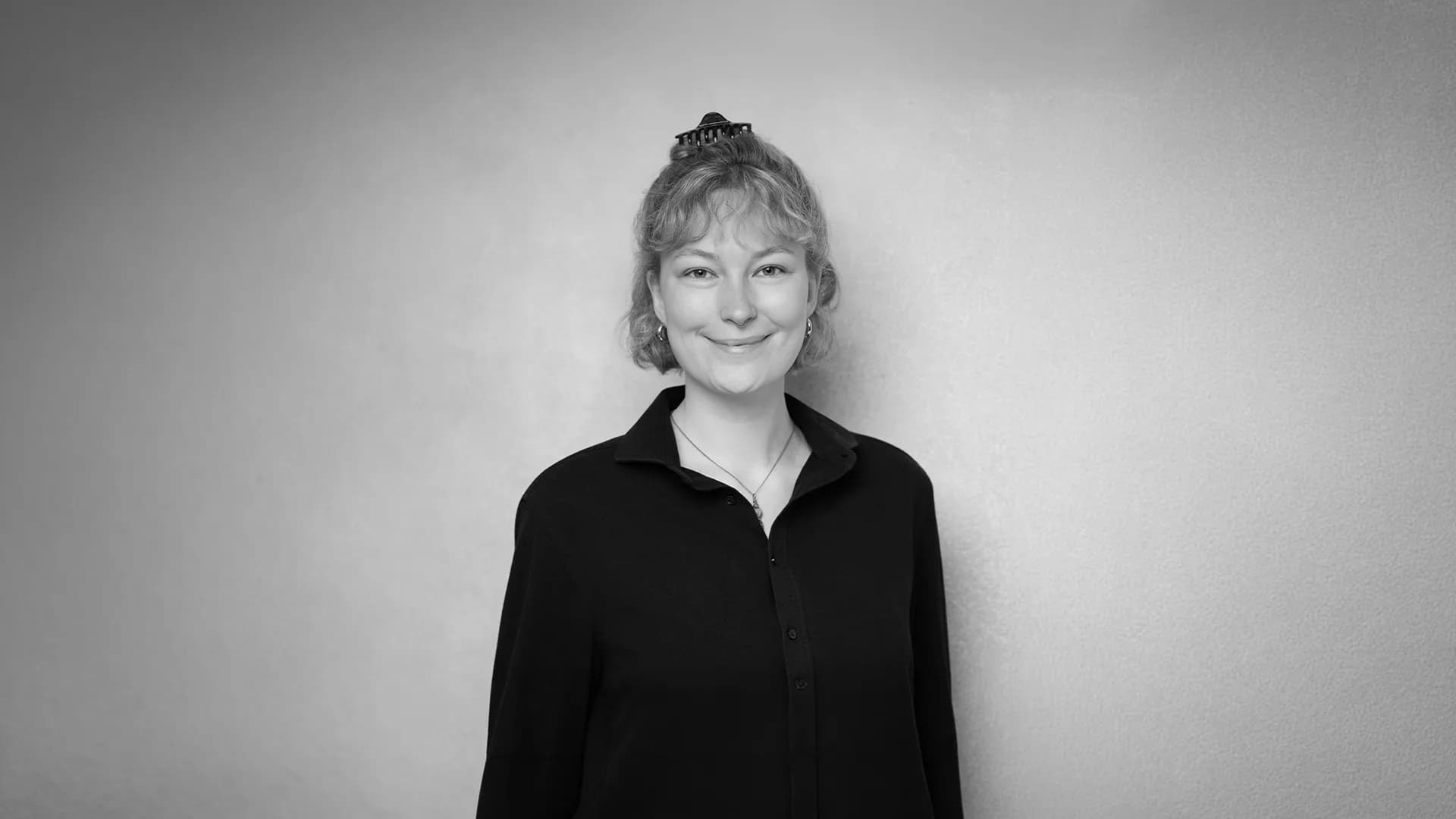
Lioba Huss, who works as a student in the project team, has been involved from the very beginning and was quite surprised:
No one knows us out there, no one has heard of paving, no one knows this term. But apparently, it has struck a chord.
Then it began, all in the spirit of: “We want to make a change, we’ll just do it and see where it’s possible,” as Lioba Huss explains. In the first year alone, 30 municipalities participated, and by 2026, the number of participants more than doubled.
The paving project is a concrete initiative that focuses on the design of public spaces and brings people together. Lioba Huss shares how much joy the joint actions bring and how many encounters and connections arise from them.
However, the competition does not encourage the illegal removal of paving stones. Most participants remove the stones from private properties, and for public areas, the team coordinates everything with the respective municipalities, as Lioba Huss emphasizes. For the future, she hopes for easier collaboration between citizen initiatives and administrations so that more areas can be unsealed.
Lioba Huss herself says she walks through the world with a paving lens: She notices sealed areas everywhere, especially after another hot summer. Often, she has looked for shade and would have loved to remove a few stones in many places.
Challenges arise from legislation and municipal regulations, which are often not entirely clear when it comes to unsealing. Additionally, funding is an issue: Since it is a student-led project, the funding is very limited. To unseal more areas in the future, financial support is crucial.
Lioba Huss dreams that the competition will soon become a movement that brings people together.